

Add to Inquiry Cart
About This Product
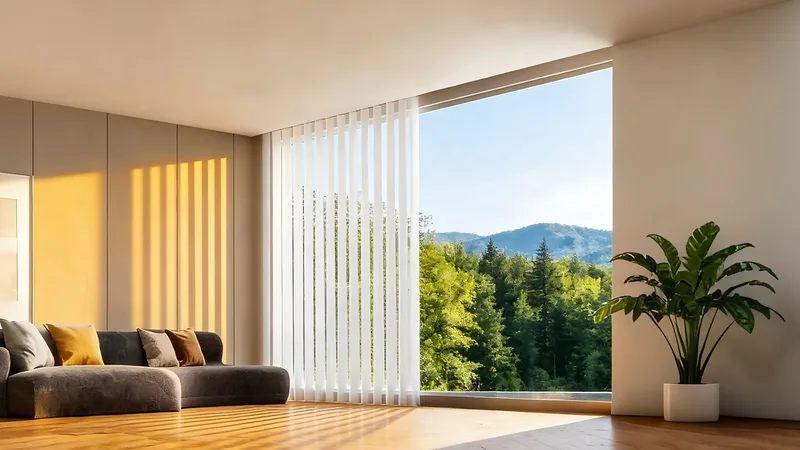
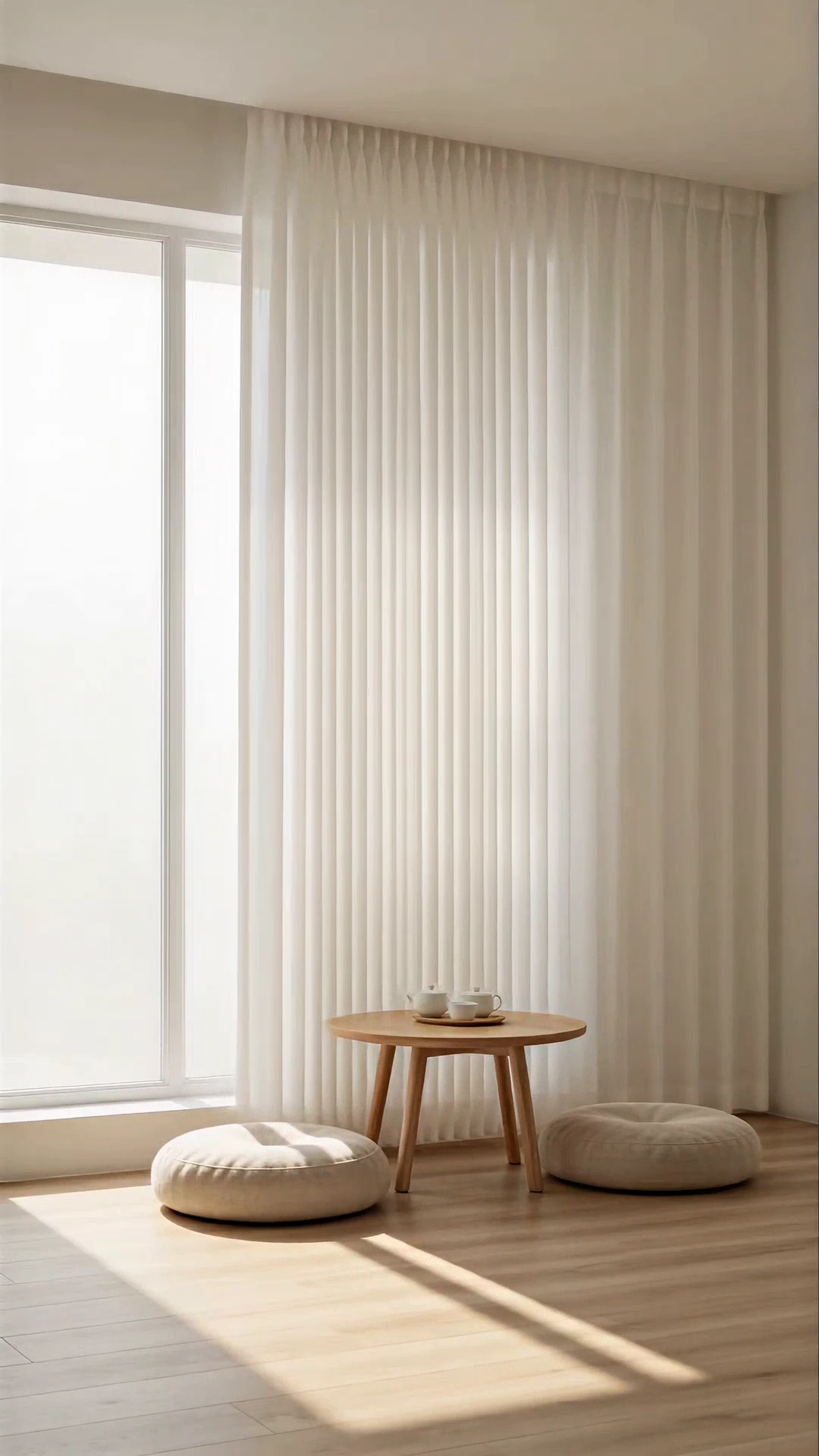
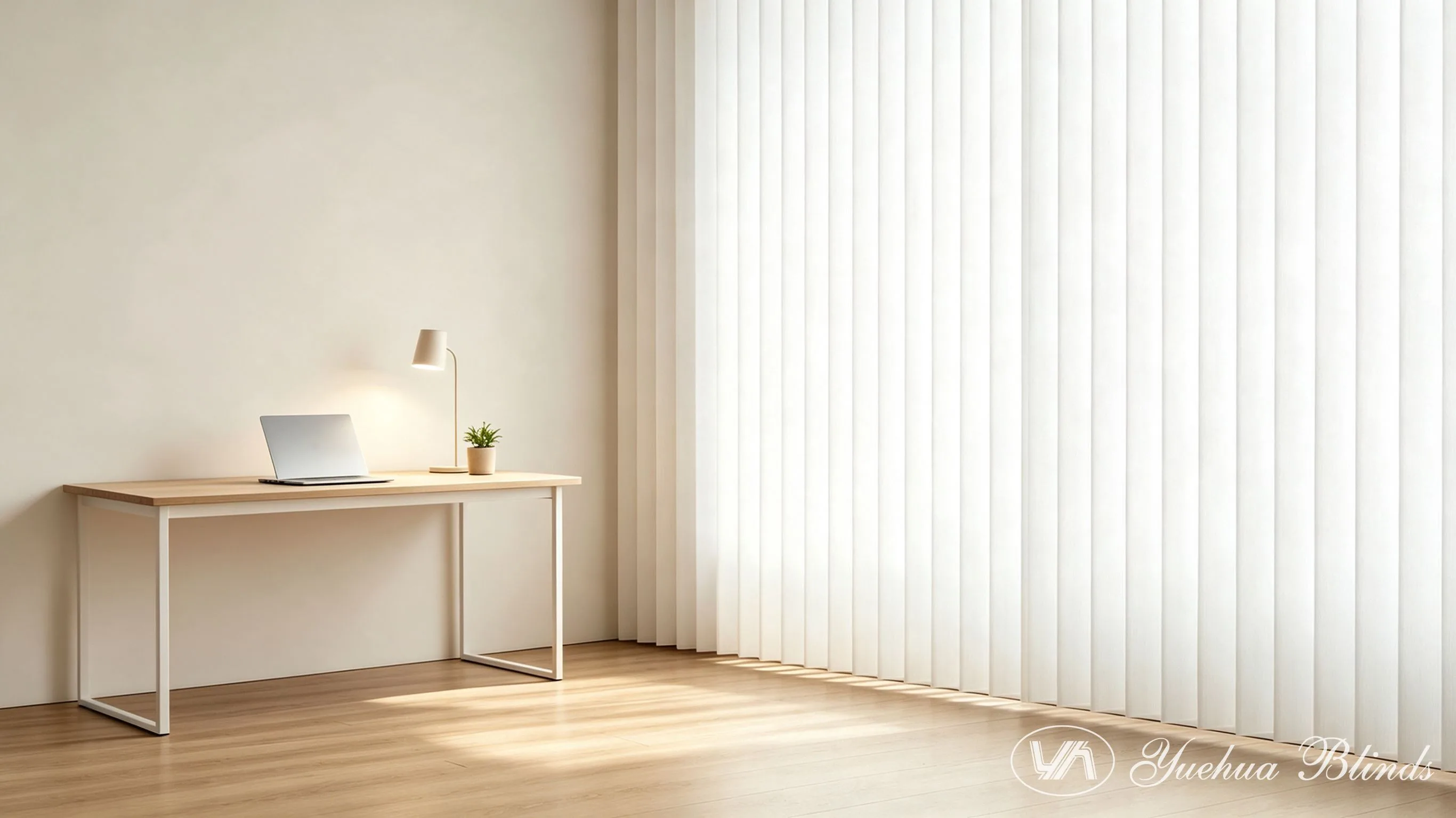
Our Silent Dream Blinds represent the premium version of our vertical sheer panel collection, featuring an upgraded track system with precision bearings and noise-dampening components that ensure virtually silent operation. Like our standard Dream Blinds, these consist of wide vertical sheer polyester panels that glide along an adjustable aluminum track, providing elegant coverage for large windows, sliding doors, and expansive glass facades. Child safety device (chain tensioner) included
- Upgraded track with precision bearings and noise-dampening components for whisper-quiet gliding.
- Perfect for bedrooms, hotel rooms, libraries, and spaces where noise reduction is essential.
- 100% polyester sheer fabric for soft light diffusion; adjustable track for large openings and partitions.
Silent Dream Blinds
YH222
Product Specifications
Operation
Ball Chain / Pull Cord
Opacity
Sheer
Material
100% Polyester
MOQ
1000 pcs/pattern (no color matching) | 2500 pcs/pattern (color matching)
Lead Time
40-50 Days
Packaging
Inner Box
Clear Box
Master Carton
5-layer Corrugated Carton
Pieces per Carton
4-6
FAQ
Sunscreen blinds provide good daytime privacy when it is brighter outside than inside. The mesh fabric allows you to see out while limiting the view from outside in. However, at night when interior lights are on, the effect reverses — people outside can see in while your view out is reduced. For nighttime privacy, you may need an additional blackout layer or choose a tighter weave mesh.
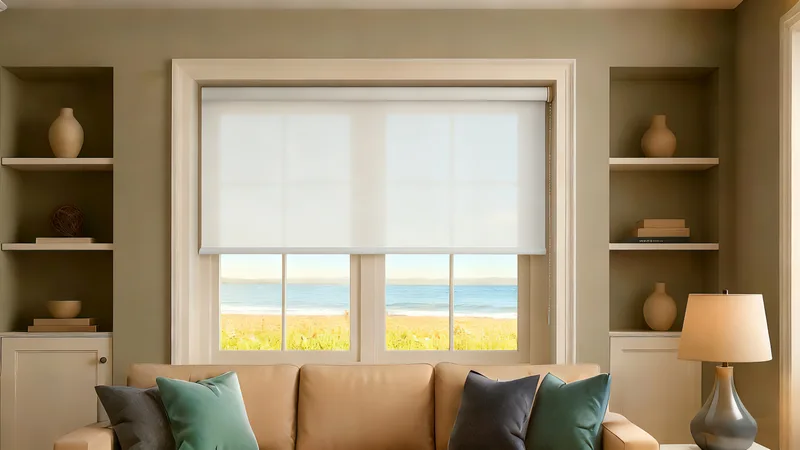
Light-filtering blinds are ideal for living rooms, dining rooms, kitchens, home offices, and sunrooms where you want natural light while reducing glare and UV exposure. They soften incoming light and create a warm, inviting atmosphere without completely blocking the view. They are not recommended for bedrooms where complete darkness is needed for sleep, or for media rooms where projector or TV screen visibility matters.
Pleat factor (also called fabric multiplier) is the ratio of expanded fabric length to finished blind height. For standard pleated blinds, the industry average is approximately 1.3 — meaning 1 meter of finished height requires 1.3 meters of expanded fabric. It matters because fabric is the largest cost component in blind manufacturing; a 0.1 error in pleat factor on a large order can mean thousands of dollars in wasted fabric or underquoting.
Use the formula: Fabric consumption (m²) = Finished width (m) × Finished height (m) × Pleat factor + Allowance. The pleat factor is typically 1.3 for standard pleated blinds, and the allowance is usually 3–5% for edge wrapping, rail attachment, and cutting waste. For example, a 120×200 cm pleated blind consumes approximately 3.28 m² of fabric per unit.
Heat-set pleating heats the fabric above its glass transition temperature and sets the pleats as it cools, producing firm, durable pleats with excellent retention. Mechanical pleating uses only pressure without high-temperature setting, resulting in relatively weaker pleats that may shallow over time. Heat-set is the mainstream process for quality pleated blinds and should be specified in your purchase contract.
Our standard trade term is FOB Shanghai. Payment terms are typically 30% deposit by T/T after order confirmation, with the 70% balance due before shipment. We accept T/T bank transfer. For large orders, irrevocable L/C at sight can be discussed. Other trade terms (CIF, DDP) are available upon request.