

Add to Inquiry Cart
About This Product
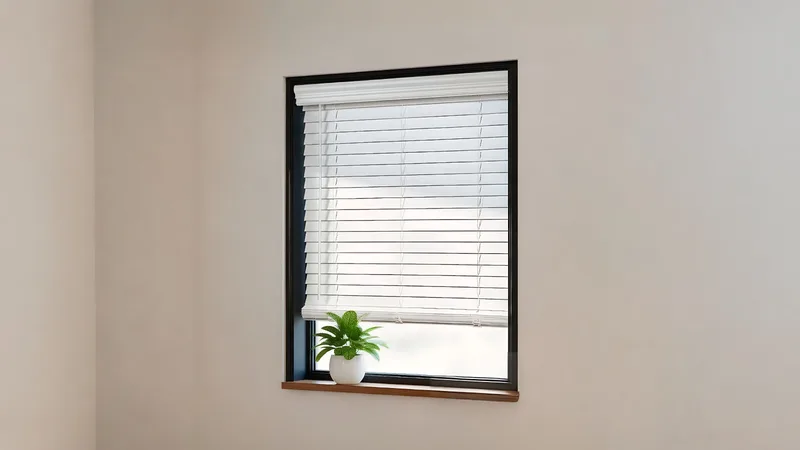
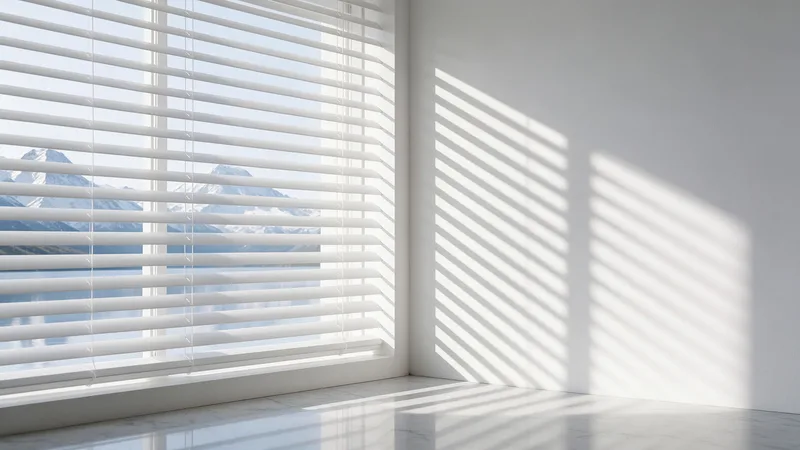
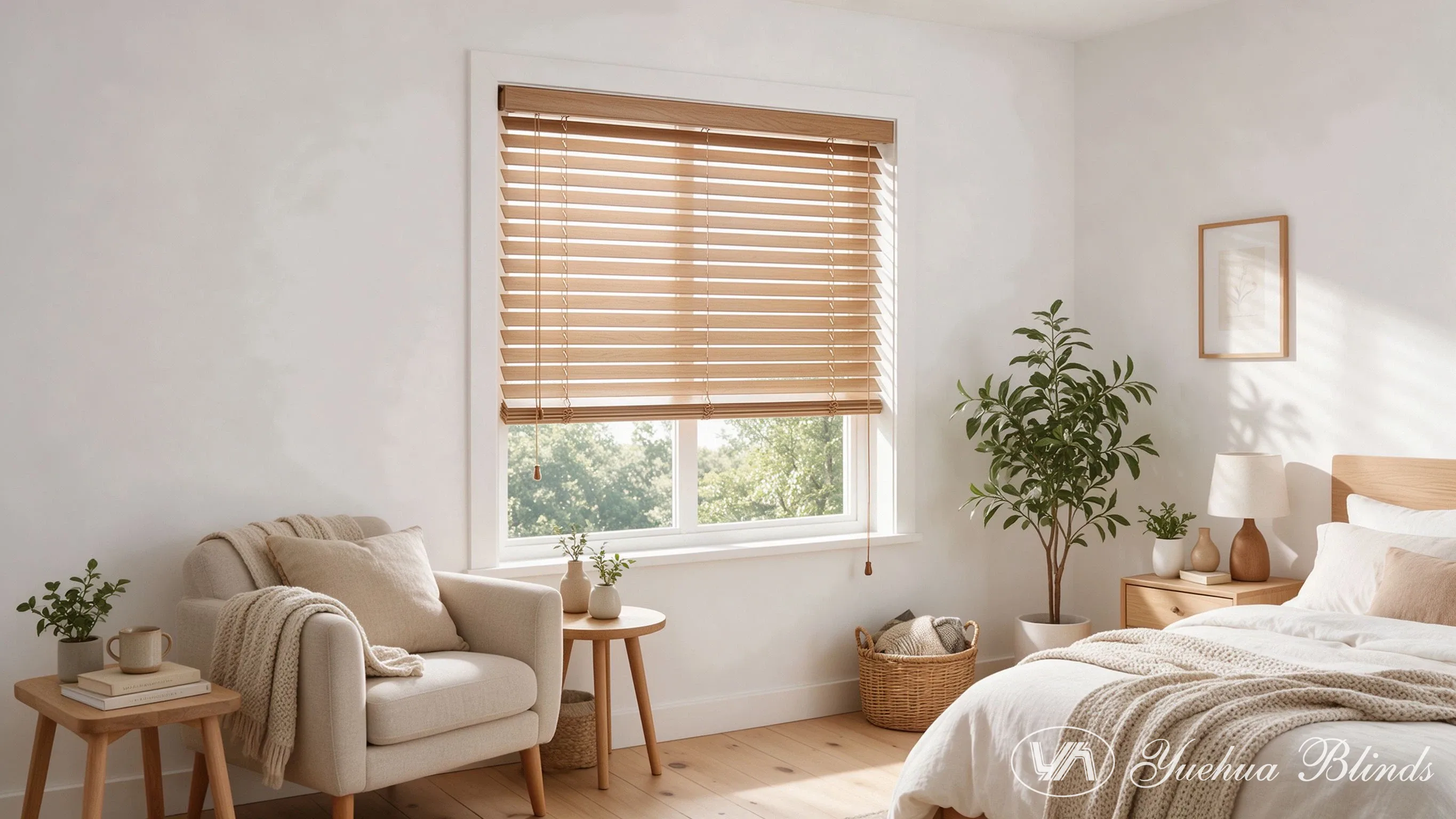
The 2-inch PS Faux Wood Venetian Blind with String Ladder uses 50 mm PS slats with an embossed wood-grain surface that feels like real timber. PS stays rigid under high heat where PVC may soften, which suits tropical regions and sunny rooms. Operation is by pull cord with a string ladder. MOQ is 500 pcs per pattern with color matching; lead time is 40-50 days; packing is 4 pcs per carton.
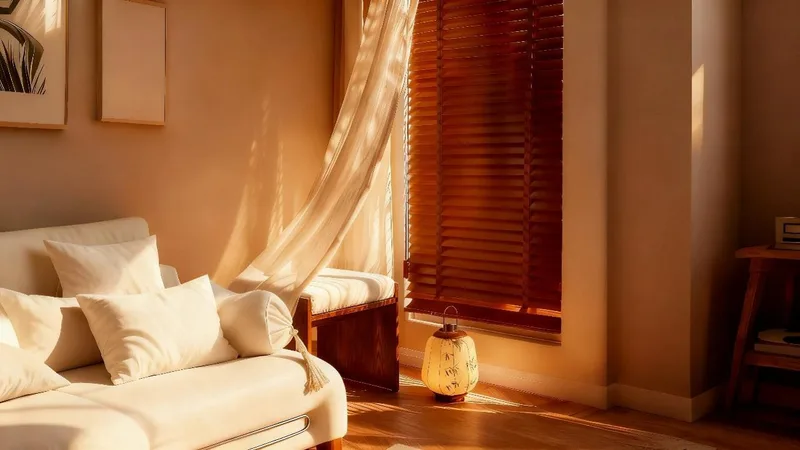
- Realistic wood-grain touch - the embossed PS slats replicate the texture of natural wood, with a surface you can feel, not just see
- Heat-stable PS - PS slats stay straight and rigid under high heat, where PVC blinds may soften - ideal for tropical and low-latitude climates
- Lightweight & moisture-proof - PS is lighter than traditional materials and resists moisture, mildew and insects, keeping its shape in humid rooms
- Phthalate-free - PS needs no plasticisers, making it a cleaner, safer choice for homes and children's rooms
- Custom colours by Pantone - send us your Pantone reference and we produce the slats in your exact shade
2" PS Faux Wood Venetian Blinds with String Ladder
YH766S
Product Specifications
Operation
Pull Cord & String Ladder
Opacity
-
Material
PS (Polystyrene)
MOQ
500 pcs/pattern (color matching)
Lead Time
40-50 Days
Packaging
Inner Box
White Box
Master Carton
5-layer Corrugated Carton
Pieces per Carton
4
FAQ
Traditional PVC/PS faux wood venetian blinds use lead-based heat stabilisers. Since 29 November 2024, the EU has fully prohibited PVC articles with lead concentration ≥ 0.1% by weight (REACH Annex XVII, Entry 63). Suppliers must switch to calcium-zinc stabilisers. Additionally, the phthalate restriction (≤ 0.1% combined for DEHP/DBP/BBP/DIBP) applies equally to PVC plasticisers in these products.
PS blinds (polystyrene) and PVC blinds (polyvinyl chloride) are two different materials of faux wood blinds. Advantages of PS blinds: lighter weight, better heat resistance, better rigidity, more environmentally friendly (chlorine-free); disadvantages: more brittle material, lower impact resistance than PVC, usually higher price than PVC. Advantages of PVC blinds: good toughness, strong impact resistance, lower price, rich color choices; disadvantages: heavier weight, average heat resistance, average environmental performance. PS blinds are typically positioned in the mid-to-high-end segment, while PVC blinds are positioned in the economy segment.
Styro-Wood is a specific term used in regions such as South Africa for PS (polystyrene) faux wood blinds, essentially referring to PS material faux wood blinds. Faux wood, on the other hand, is a general category name referring to all synthetic material blinds that mimic the appearance of natural wood, including PVC faux wood, PS faux wood, composite faux wood, and other materials. In other words, Styro-Wood is one specific material (PS) within the broader faux wood category, not a new category independent of faux wood. When purchasing, the specific material (PVC/PS/composite) must be confirmed; product grade and price cannot be judged solely based on the "faux wood" or "Styro-Wood" label.
PS (polystyrene) has a higher heat deflection temperature than PVC (polyvinyl chloride), so PS blinds are less likely to soften, deform, or sag in high-temperature environments. PVC blinds may experience slat softening, bending, or surface stickiness in prolonged direct sunlight or high-temperature environments (such as south-facing large windows, sunrooms), while PS blinds perform more stably in these scenarios. PS blinds are suitable for mid-to-high-end markets with heat resistance requirements, sunny regions, and customers seeking lighter weight and better environmental performance. However, PS material is relatively brittle, so care should be taken to avoid severe impact during transportation and installation.
When purchasing PS blinds, carefully confirm: first, slat specifications, including width (common 50mm/63mm), thickness (typically 2.5-3.0mm), and tolerances; second, material purity, confirming whether it is virgin PS material rather than recycled material, as recycled material may affect strength and weather resistance; third, surface treatment quality, including clarity of wood grain texture, color uniformity, and adhesion of powder coating or transfer printing layer; fourth, slat rigidity and impact resistance, as PS material is relatively brittle, it is necessary to confirm that it is not prone to breakage under normal use conditions; fifth, heat resistance, suppliers can be asked to provide heat deflection temperature test data; sixth, batch consistency of color and texture, it is recommended to confirm color cards before mass production and retain golden samples.
Our standard trade term is FOB Shanghai. Payment terms are typically 30% deposit by T/T after order confirmation, with the 70% balance due within 15 days after the bill of lading copy. For high-risk destinations, the deposit may be raised. We accept T/T bank transfer. For large orders, irrevocable L/C at sight can be discussed. Other trade terms (CIF, DDP) are available upon request.