

Cassette Types Guide: Compact, Square, Round and Fascia for Window Blinds
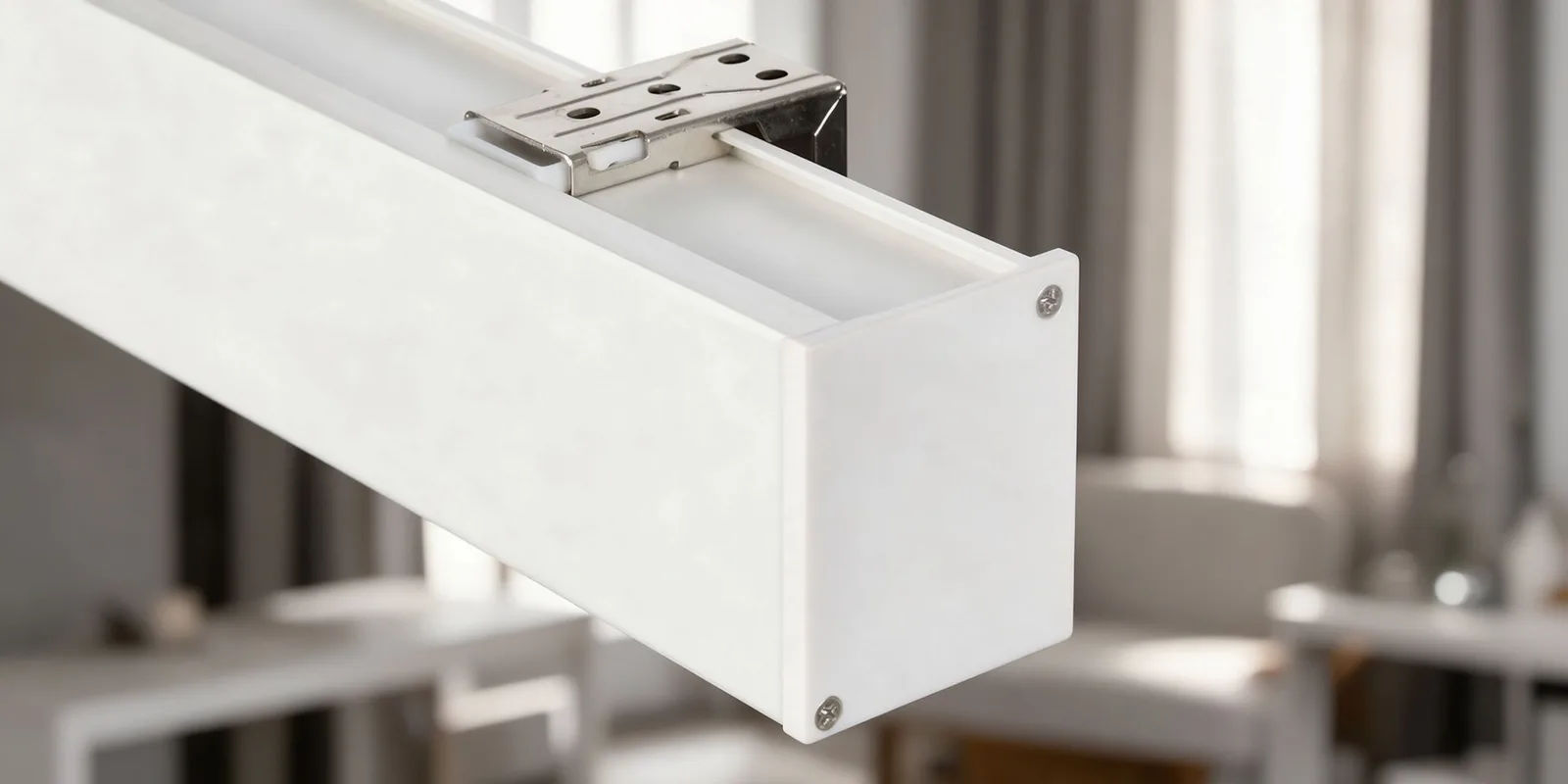
A cassette is the housing that covers the top tube of a window blind. It is most common on roller blinds and zebra blinds - both sold widely with compact, standard or grand cassettes - and it also appears on pleated and honeycomb blinds. German-speaking markets simply call the product a Kassettenrollo; English speakers say cassette blind. For a B2B buyer the cassette is not decoration. It decides the price point, the light gaps at the top of the window, how the blind reads against the frame, and which markets the product suits.
1. Shape: round vs square
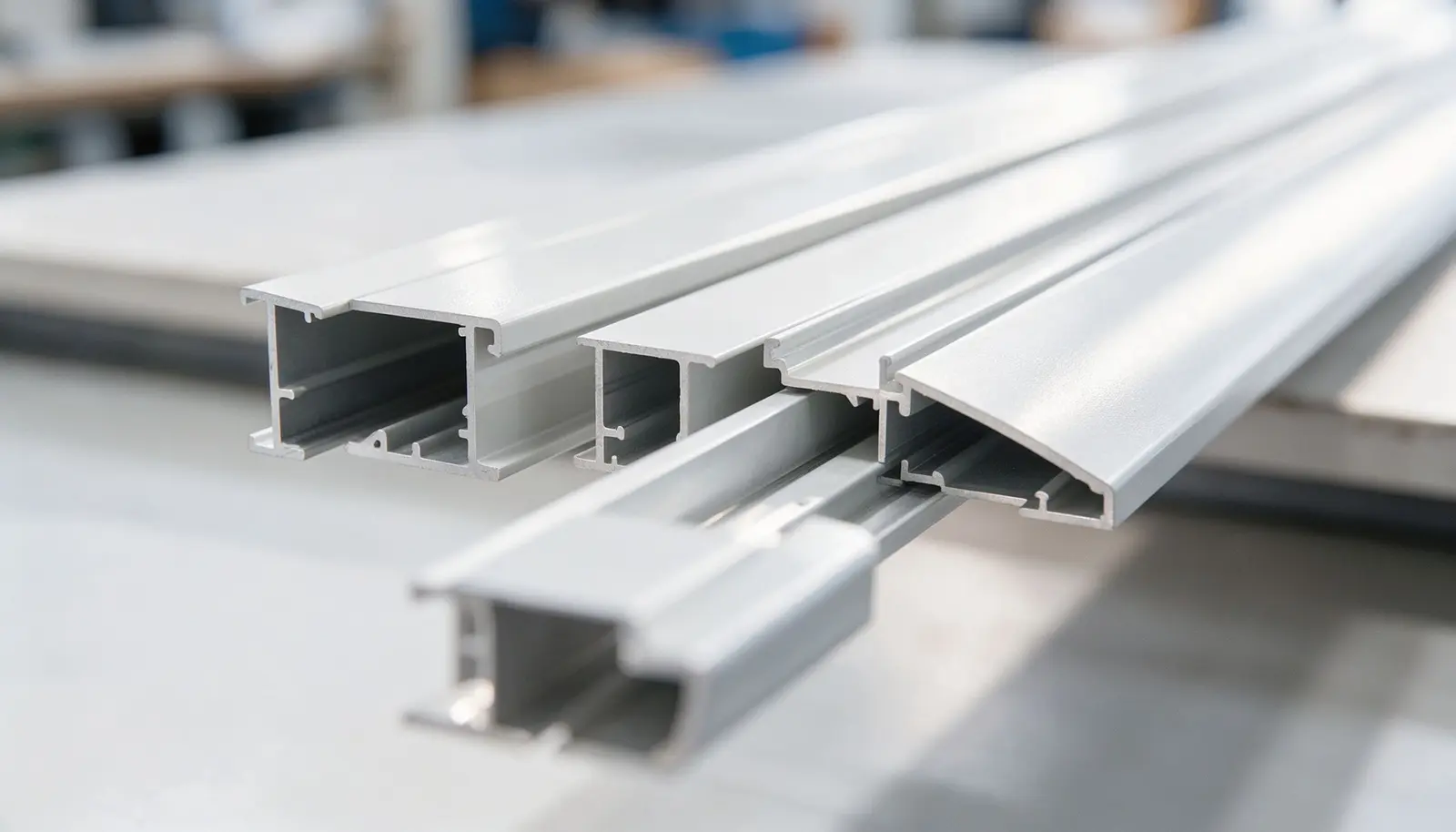
The cross-section of a cassette comes in two standard profiles. A round (or curved) cassette has soft, rounded edges and sits quietly against curved or traditional frames. A square cassette has straight lines and crisp 90-degree angles, and it is the default for modern interiors, offices and loft-style spaces. German manufacturers label the two profiles R (rund, round) and E (eckig, square), and many cassette models are available in either profile on the same blind - so shape is a configuration, not a separate product line.
2. Size: compact, standard and grand
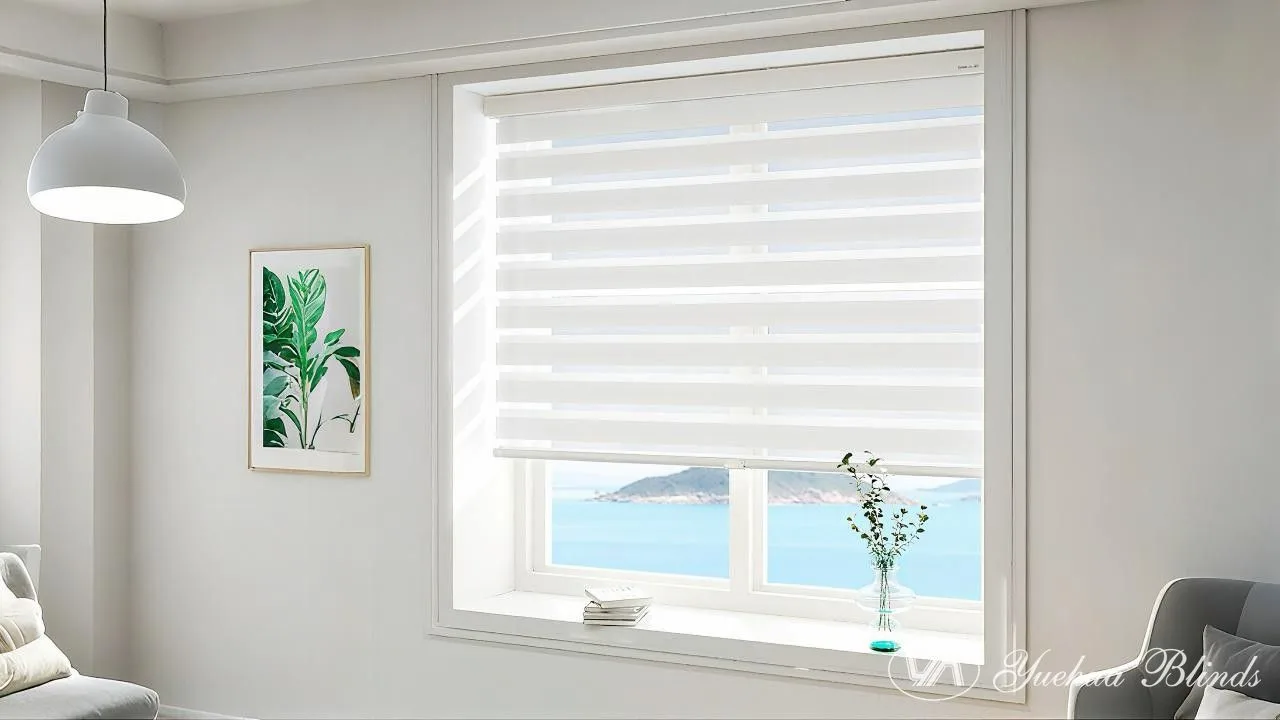
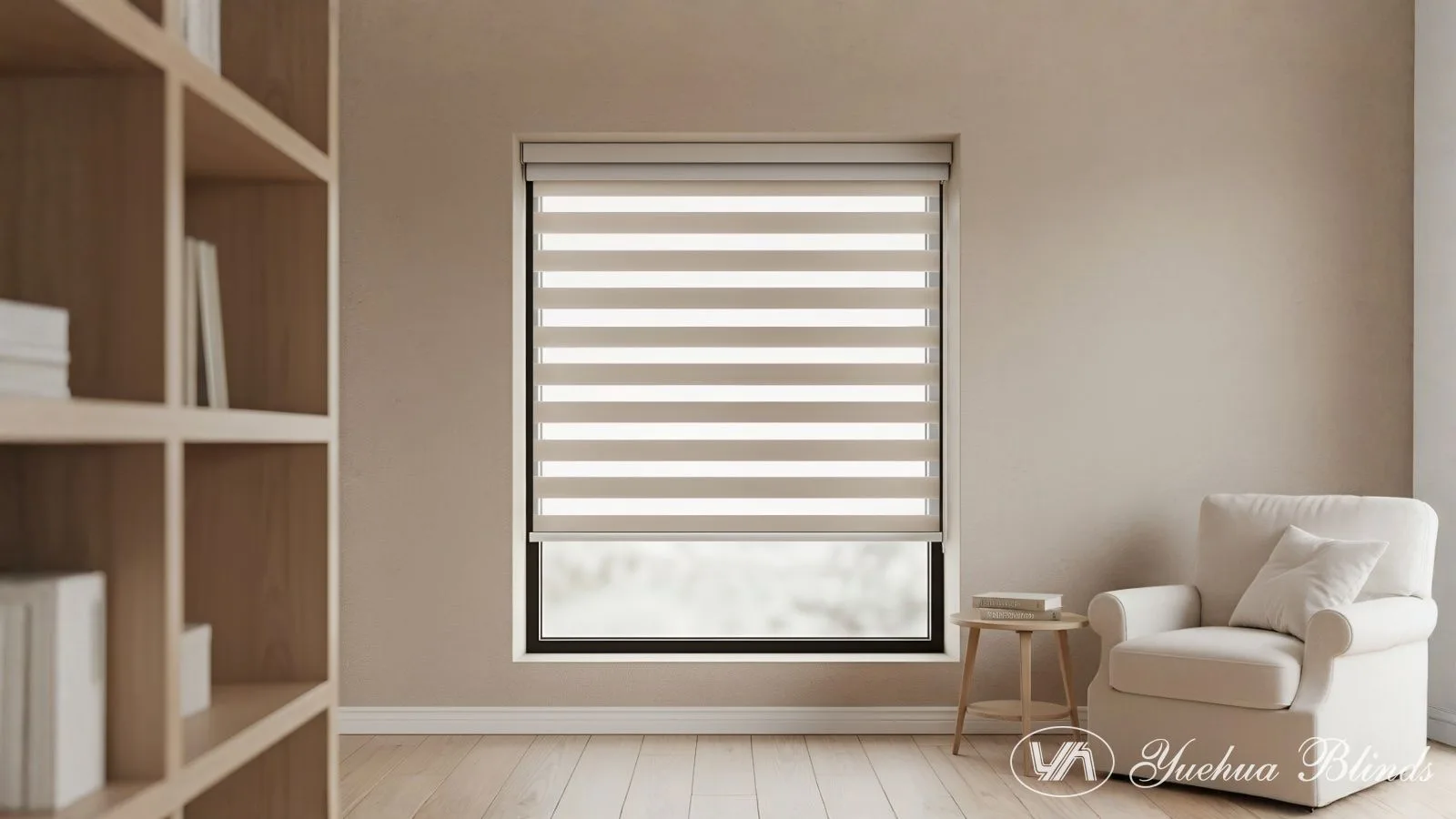
Cassettes also differ in how much they enclose. Compact cassettes keep a slim profile that hugs the roller and almost disappears against the window frame. Standard cassettes use a conventional box. Grand or maxi cassettes are larger housings that can hold two rollers, one in front of the other, for double-layer installations inside a single cassette. European manufacturers grade blind systems Mini, Midi, Medium and Maxi, each with a larger aluminium shaft (from 20 mm up to 44 mm) and a matching cassette. In the trade, "small cassette", "medium cassette" and "large cassette" refer to this same size ladder. Compact cassettes are the common choice for zebra blinds, where the slim top box keeps the alternating stripe pattern the visible selling point.
3. Finish: metal, powder-coated, frosted, fabric-wrapped and fabric-insert
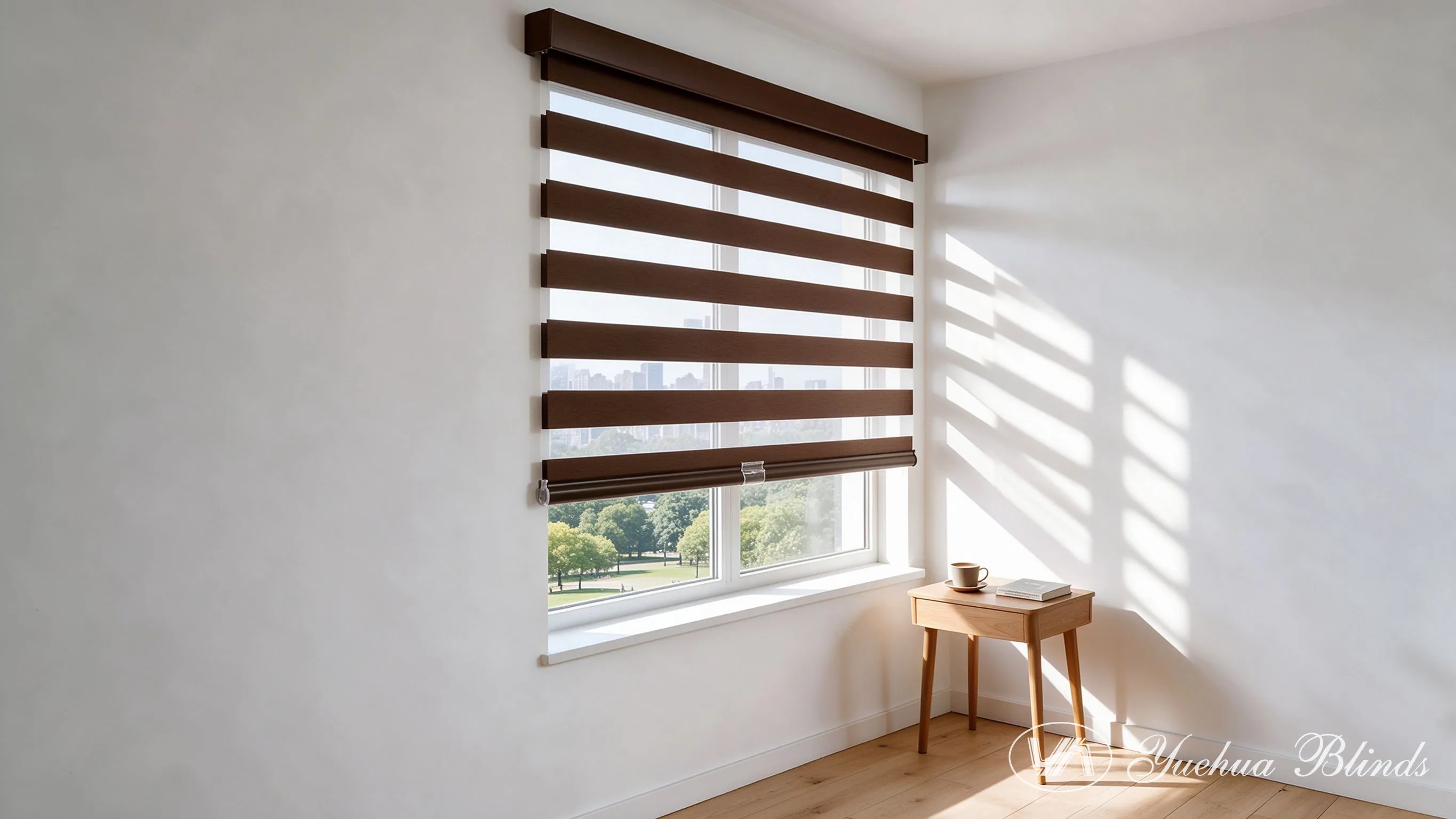
The surface treatment sets the look and the price. Exposed aluminium can be powder-coated in white, grey or black, or anodised silver. Frosted matte finishes are common on dark cassettes because they resist fingerprints and smudges. A fabric-wrapped cassette is covered with the blind fabric itself, so the top band matches the shade and reads as one continuous piece. A fabric-insert cassette embeds a single strip of fabric on the face for a lighter decorative touch. Fabric-wrapped and insert versions cost more but sell well where the client wants a seamless, built-in look.
4. Structure: full cassette, fascia and side guides
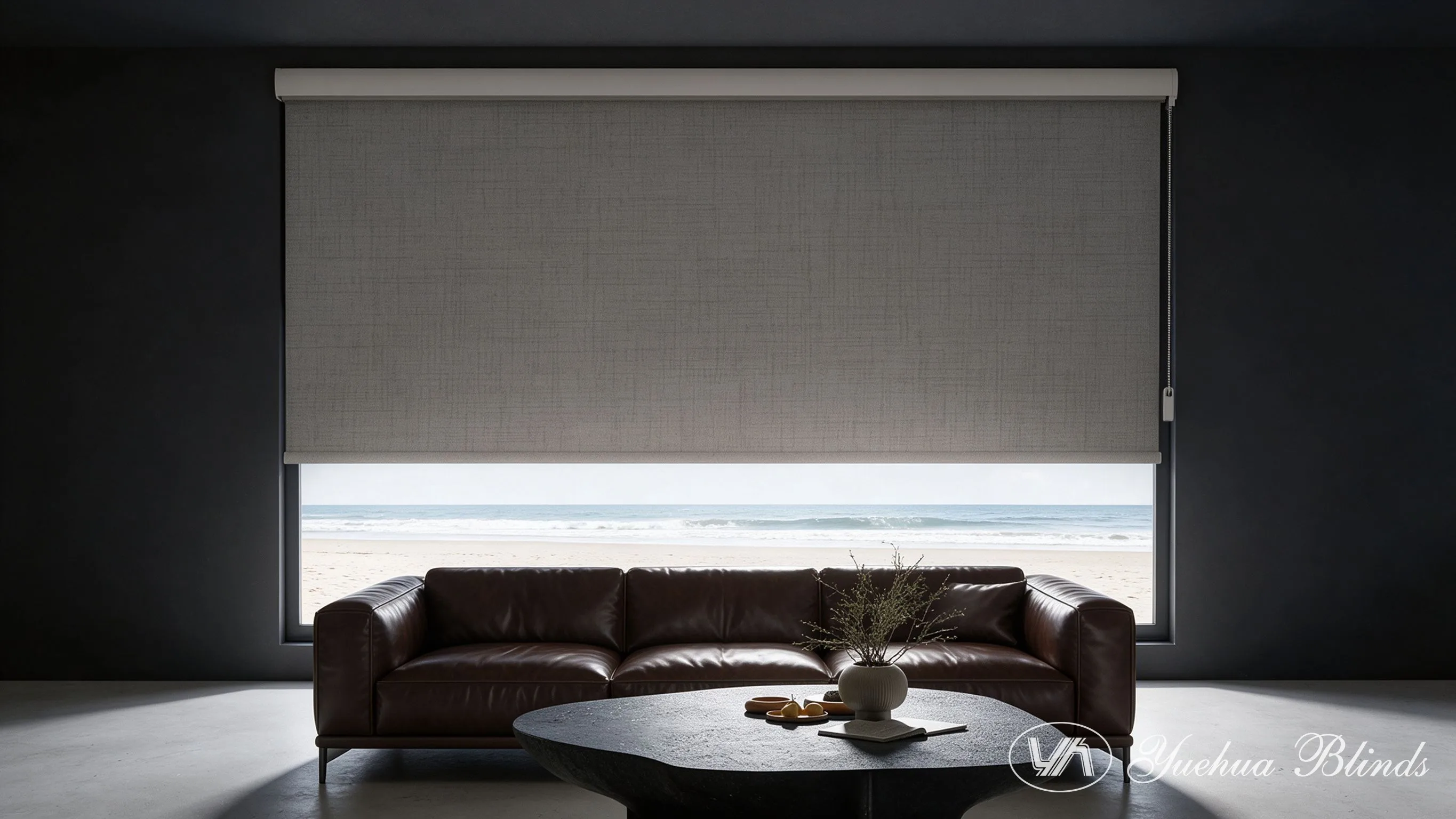
A full cassette wraps the roller on the top, front and back, which is the classic "cassette" most buyers mean. A fascia is a lighter valance that covers only the front face. Side guides (Führungsschienen in German) run down both edges of the blind to hold the fabric flush against the frame and block side light; they are standard on the no-drill, adhesive-mount cassettes widely sold in German-speaking markets, and they add a visible premium feel. Mounting is a separate sourcing decision - adhesive tape, clamp brackets or screws - and each sets different requirements for the window frame.
How to choose
Start from the market, not the part. If the target market is rental-heavy and no-drill is the norm, plan for an adhesive-mount cassette with side guides. If the project is offices or modern residential, square cassettes in white or anodised finishes dominate. If the client sells on a seamless look, budget for fabric-wrapped or fabric-insert. And if double-layer blackout or a sun-screen combination is in the range, check the grand-cassette option that houses two rollers. Size, finish and structure are all trade-offs you can price; shape is the style call you make once with the client.