

Steel Blind Rails and Cassettes: The Economical Aluminum Alternative
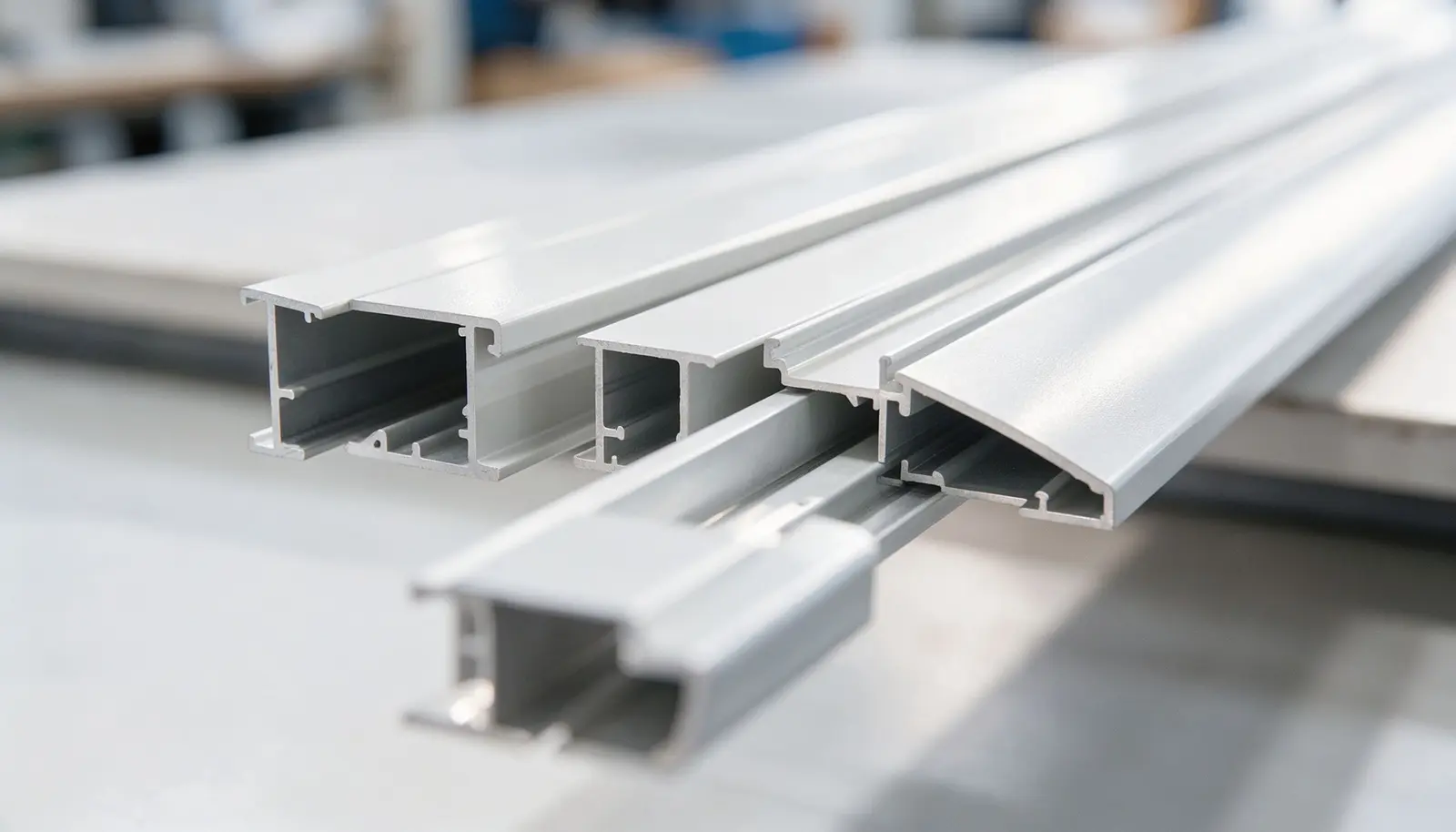
Steel rails are the cost-sensitive answer when an aluminum rail is more than the job needs. Roll-formed from cold-rolled or galvanized sheet, they cover venetian headrails and bottom rails, roller cassettes and economy tracks, and they give enough structural strength at a materially lower price than extruded aluminum. The trade-offs are weight and rust: steel is heavier and has no natural oxide layer, so surface treatment carries the durability. We supply economy blinds on steel rails, and the sourcing notes below are the checks we run before loading them.
Key takeaways
- Steel rails cost less than extruded aluminum of the same spec and are stiffer for equal wall thickness, but they are significantly heavier.
- FCL ocean freight is charged per container, so as long as weight limits are not exceeded, loading quantity is set by volume, not by the steel weight.
- The standard rust system is electro-galvanizing plus powder coating, which is enough for dry indoor use; hot-dip galvanizing is only for outdoor or high-humidity projects.
- Inspect three basics: wall thickness by caliper, powder-coating appearance, and cut-edge rust treatment. Salt-spray or cross-cut tests are not usually needed.
What steel rails are (and are not)
The industry name iron rails or iron headrails does not mean pure iron. Pure iron is too soft and rust-prone; real products are carbon steel or galvanized steel. The roll-forming process bends sheet through successive roller sets, which is efficient and low-tooling for simple cross-sections, though less flexible in profile design than aluminum extrusion.
Why buyers choose steel
Steel priced below aluminum, and roll-forming tooling is cheaper than aluminum extrusion, so the ex-factory price of a steel rail is typically well under an aluminum rail of the same size. Steel also has a higher elastic modulus and yield strength, so for the same wall thickness it is stiffer, carries more load and bends less easily. The offset is weight: steel is much denser, so equal-spec rails are heavier, which shows up in air freight or express for small urgent orders, in inland transport and handling, and in the load-bearing needed at installation.
One reassurance for container shipping: FCL freight is charged per container. As long as the container weight limit is not exceeded, how much fits is decided by volume, not by the steel mass. So the heavier rail is not a freight penalty on a full sea container.
Rust prevention is on the surface
Unlike aluminum, steel has no natural oxide layer. It must be protected, and surface treatment is the most basic QC point in steel rail buying. The mainstream, cost-effective combination is electro-galvanizing plus powder coating: a thin zinc layer deposited electrolytically as the base, then powder electrostatically applied and heat-cured into a continuous film that also carries color. For dry indoor use this is enough. For outdoor or high-humidity projects, hot-dip galvanizing or a hot-dip plus powder duplex system adds protection at higher cost, which ordinary indoor work does not need.
Steel versus aluminum rails
| Dimension | Steel rails | Aluminum rails |
|---|---|---|
| Price | Low | Medium-high |
| Weight | Heavier | Light |
| Strength / rigidity | Good | Medium |
| Natural rust resistance | None; needs surface treatment | Yes (oxide layer) |
| Main surface treatment | Electro-galvanizing plus powder coating | Anodizing, powder coating |
| Forming process | Roll forming | Extrusion |
| Cross-section flexibility | Lower | Higher |
| Appearance and finish | Average | Better |
| Positioning | Economy, cost-sensitive projects | Mid-high end, quality-oriented |
Where steel rails are used
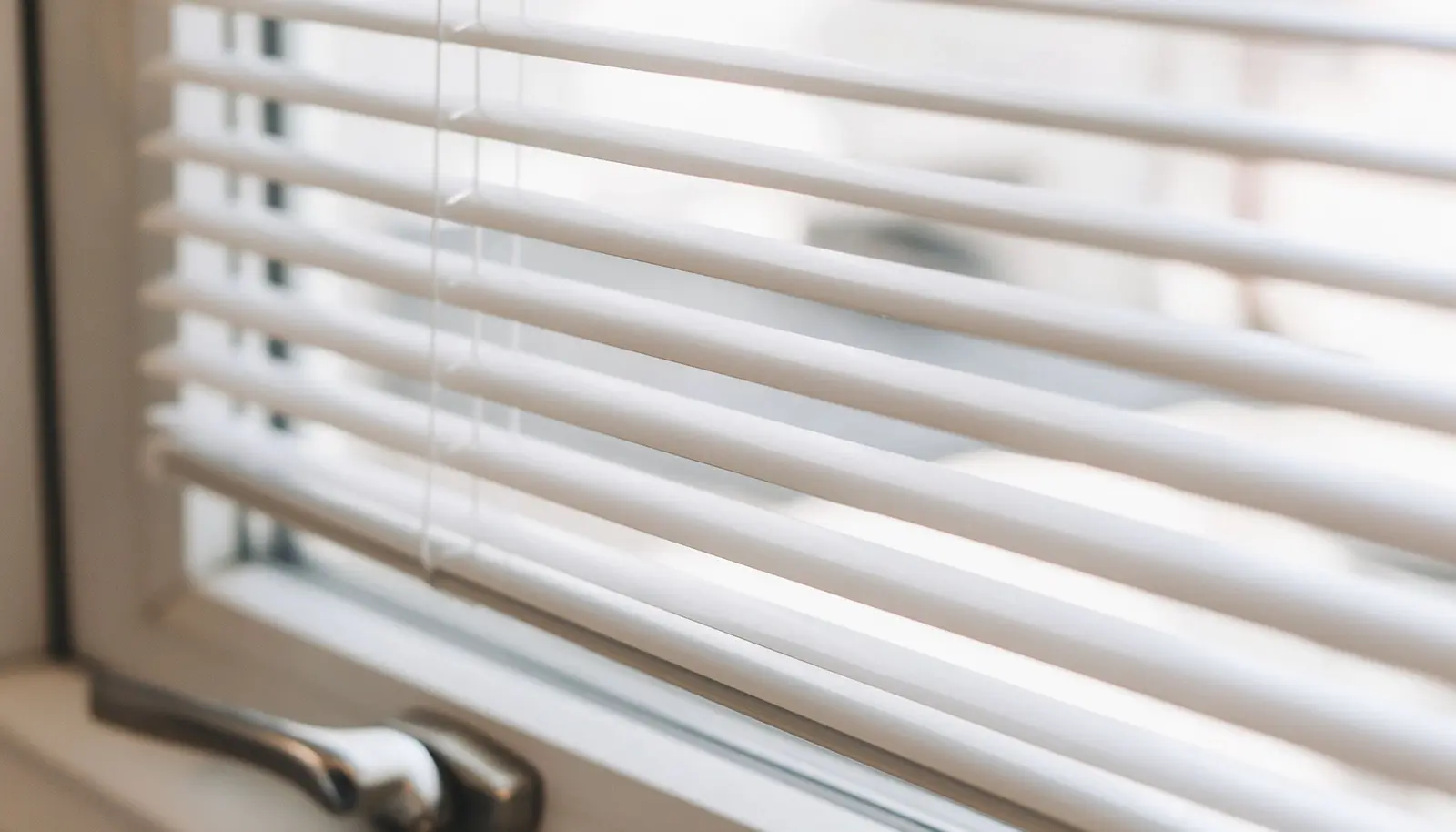
They are the primary choice for economy venetian headrails and bottom rails, including full steel sets for iron venetian blinds (iron slats plus steel headrail and bottom rail), which is the cheapest venetian solution. They also replace aluminum on economy roller cassettes, form the thin-sheet economy tracks often called zinc-alloy or manganese-steel tracks, and make heavier roller bottom bars that straighten the fabric and keep it flatter.
Inspection points for steel rails
- Wall thickness. Measure with a caliper against the nominal thickness; thin walls flex and deform.
- Powder coating appearance. Check for sagging, pinholes, bubbles, bare spots and color difference. Coating defects point to weak rust protection.
- Cut-edge treatment. Cut edges expose bare steel and rust fastest; confirm touch-up paint or equivalent protection was applied.
- Dimensions and straightness. Confirm cross-section is within tolerance and rails are straight, not twisted or bent.
- Packaging protection. Powder-coated steel scratches and dents easily, and a broken coating starts local rust. Require adequate packaging.
Sourcing recommendations
Choose steel when the call is price sensitivity with lower quality expectations: cheap enough and basically rust-free. Do not overpay for high-spec surface treatment that will never be used; in dry indoor air, electro-galvanizing plus powder coating already meets the need. Focus inspection on the three basics (wall thickness, coating appearance, cut edge) rather than complex salt-spray or cross-cut tests. Plan ahead for the weight on air freight, inland transport and installation load-bearing, but do not worry about FCL sea freight. Demand stronger transport packaging to avoid impact damage that rusts later, and for wide windows choose enough wall thickness plus intermediate support brackets to stop rail sag.
These performance and cost descriptions are general industry experience; supplier specifications, test reports and samples govern, because process capability varies by manufacturer.
Bottom line
Steel rails win on price and rigidity for economy programs, provided you accept the weight and enforce coating and cut-edge QC. For the headrail side of a roller program, our MOQ and lead time guide sets the order terms, and the venetian material comparison shows where aluminum still earns its price. A typical product using these rails is our roller blinds line.