

PS Venetian Blinds Guide: Polystyrene Faux Wood Characteristics & Procurement
PS (polystyrene) venetians sit between PVC faux wood and real wood: they cost more than PVC but resist heat better, and they are what some markets call Styro-Wood. The buying trap is the label itself - faux wood tells you nothing, because PS, PVC, and composite faux wood look similar but perform differently. This guide pins down what PS actually is, where it wins and loses, and what to confirm before you order.
Key takeaways
- PS is lighter than PVC, holds its dimensions, and has a higher heat-deflection temperature, so it does not soften in direct sun the way PVC can.
- The trade-off is brittleness: PS takes impact worse than PVC and slats can crack in transport, so edge and corner packaging must be specified.
- Styro-Wood is the regional name for PS faux wood; faux wood is the whole category, including PVC, PS, and composite - always confirm the base material.
- PS venetians share our standard sourcing terms: 1000 pcs per pattern without color matching (2500 with), 40-50 day lead time, clear box in a 5-layer carton, 4-6 pieces.
What PS is
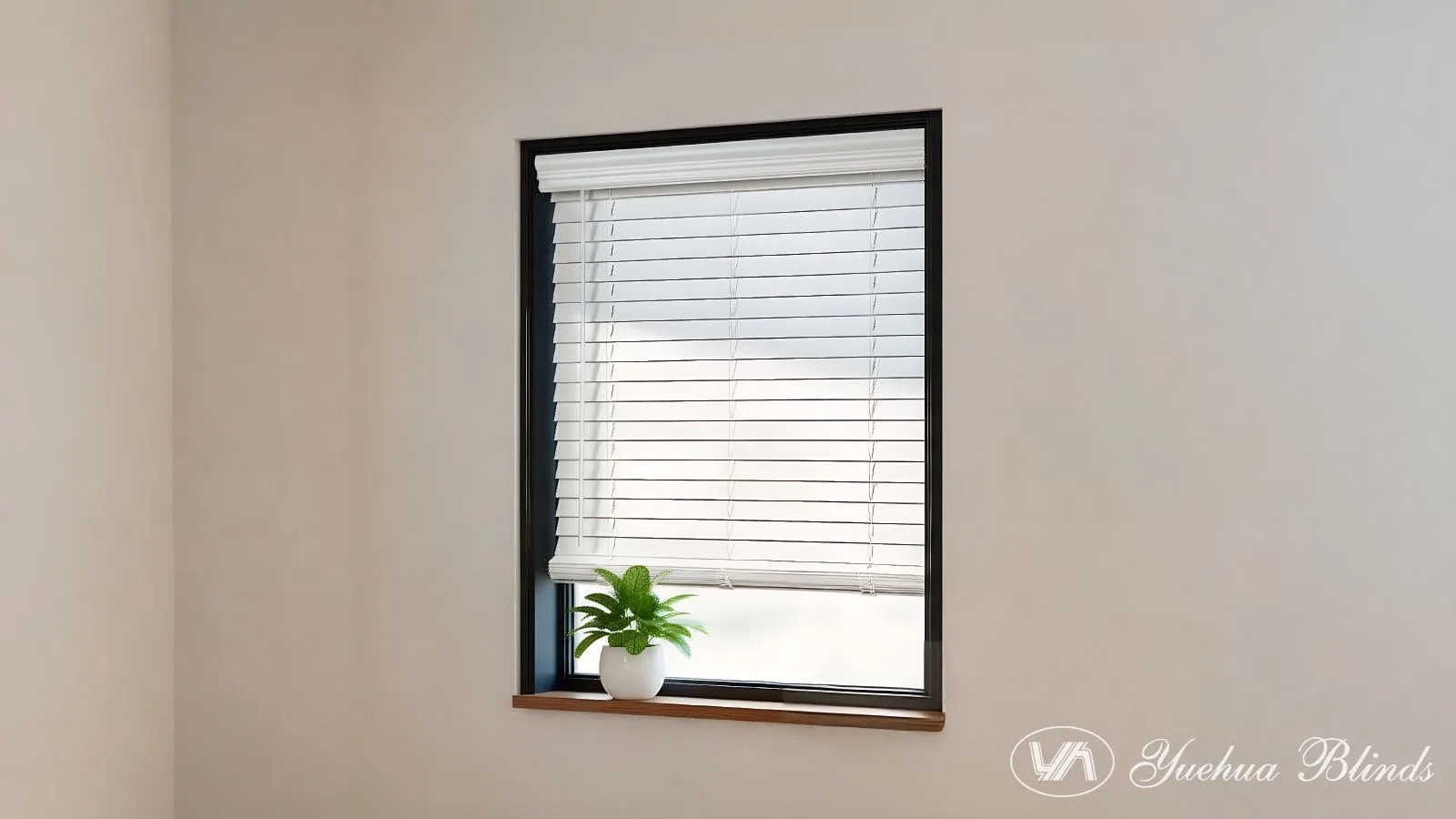
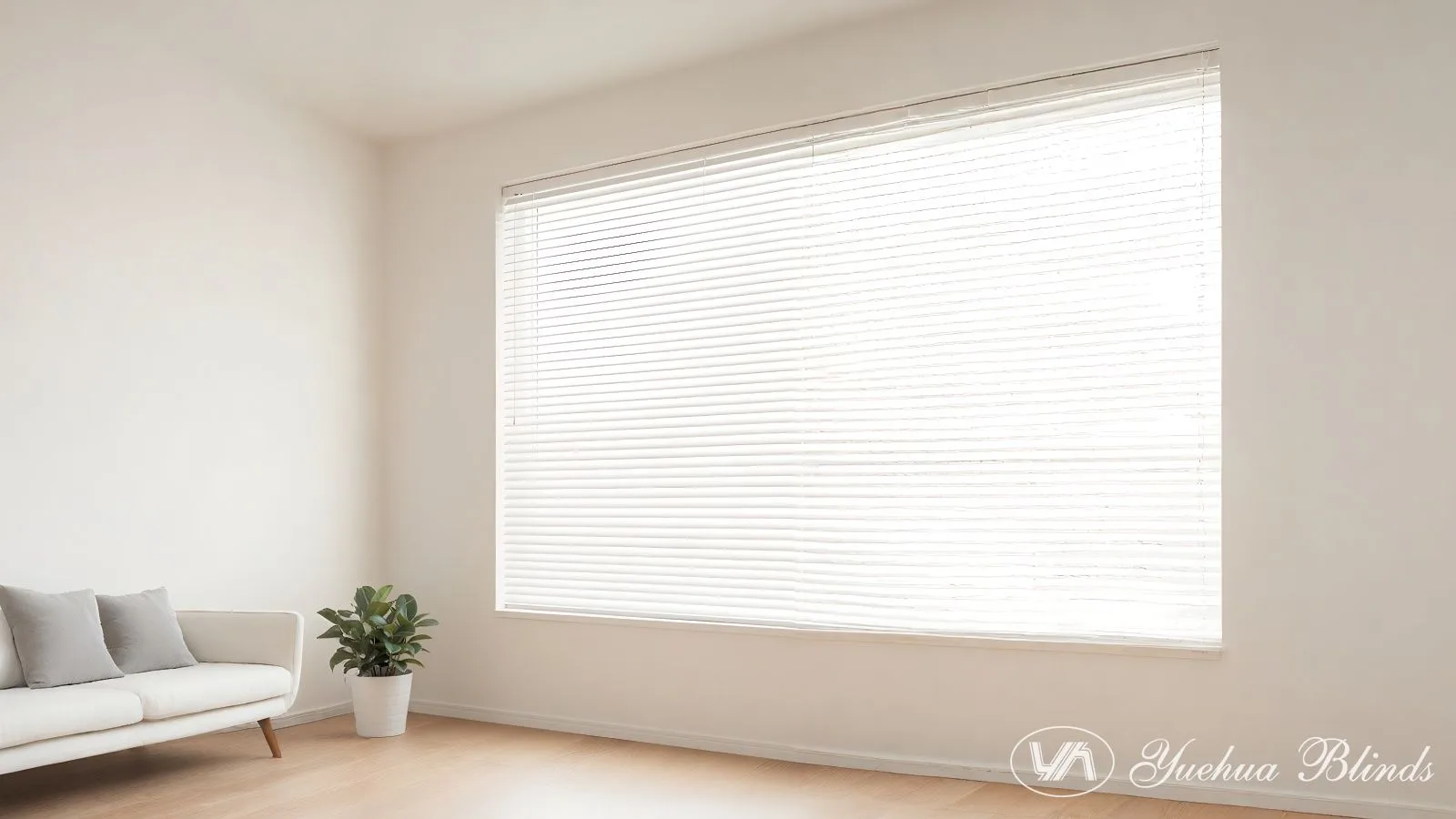
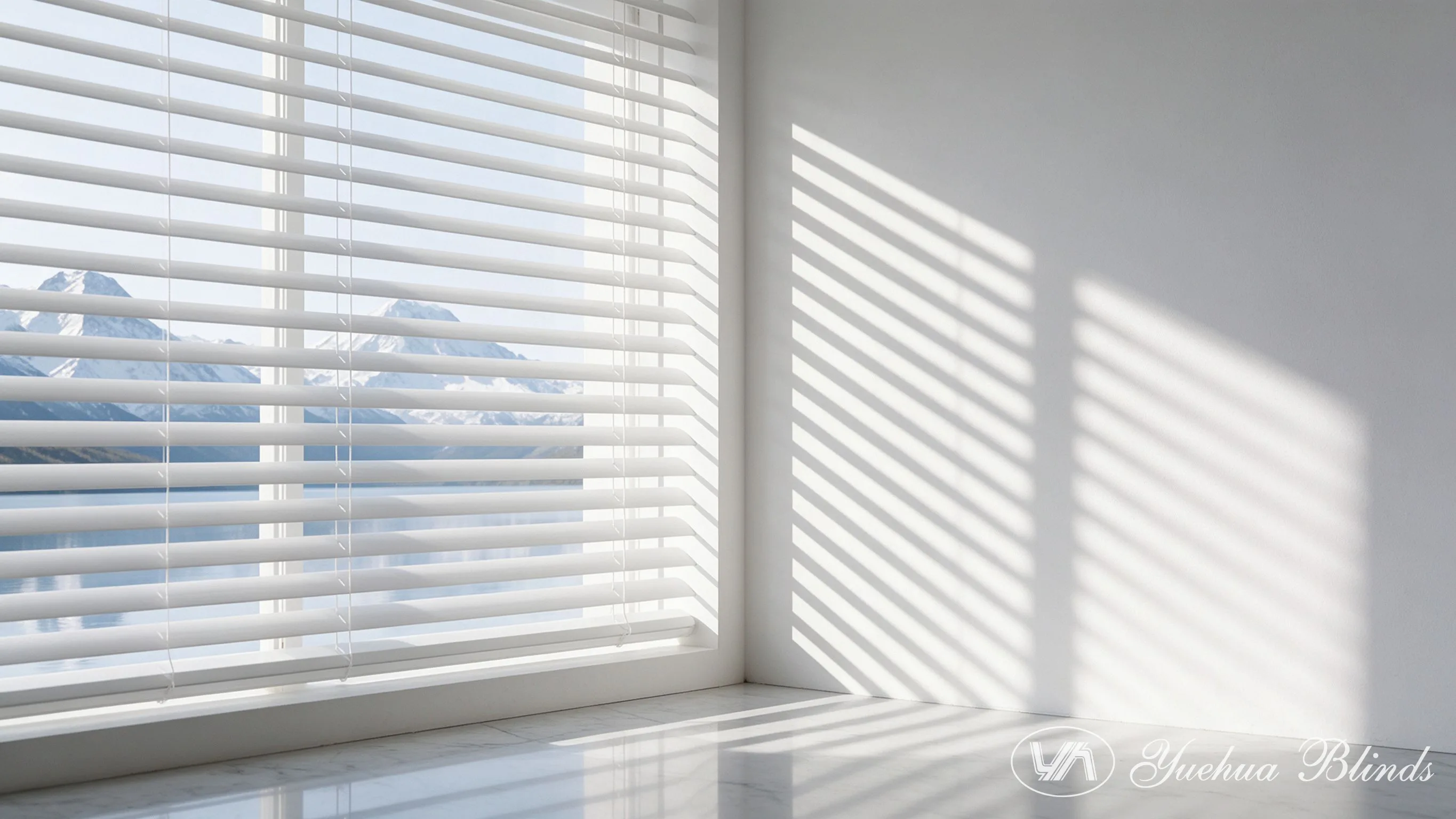
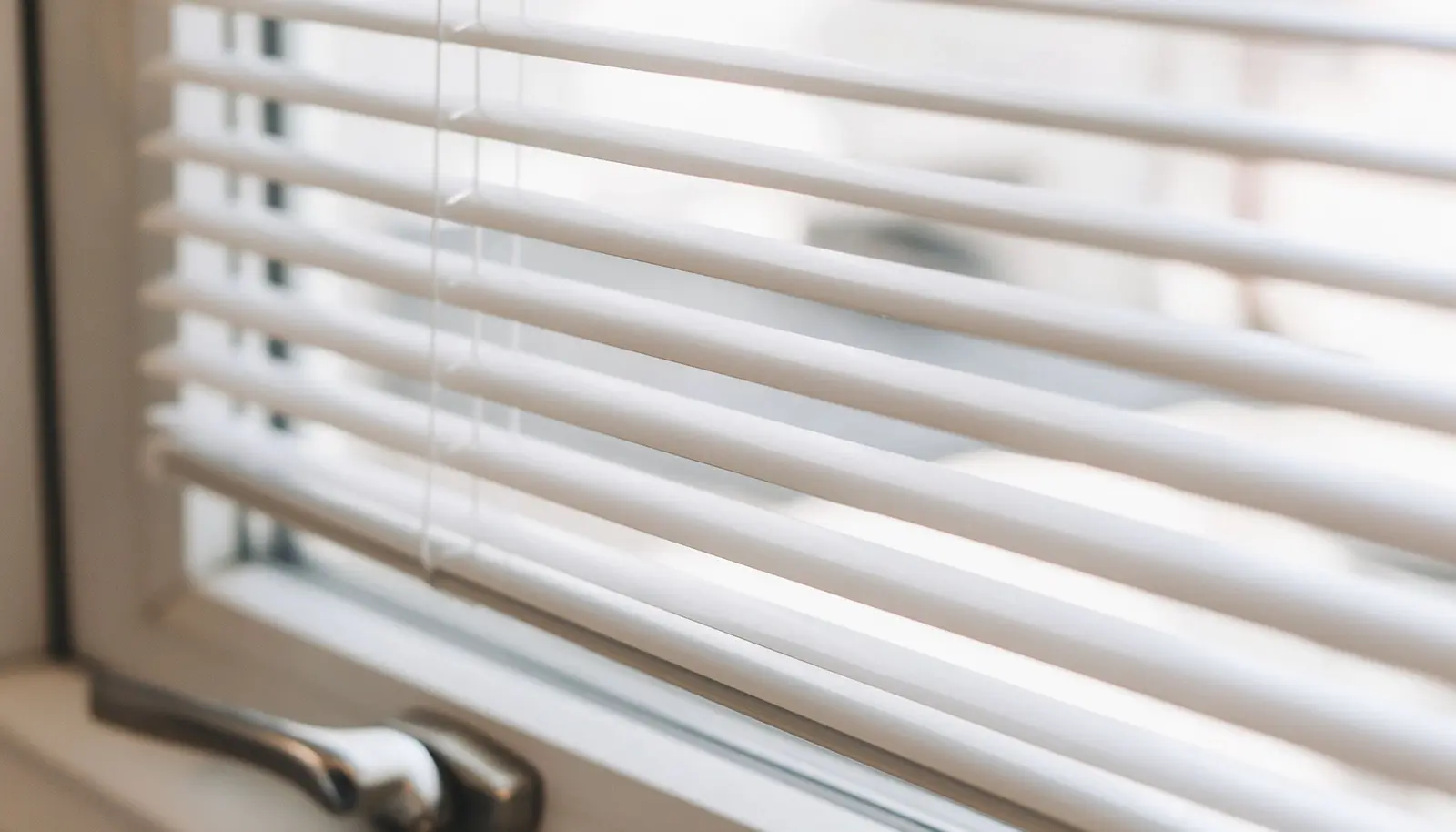
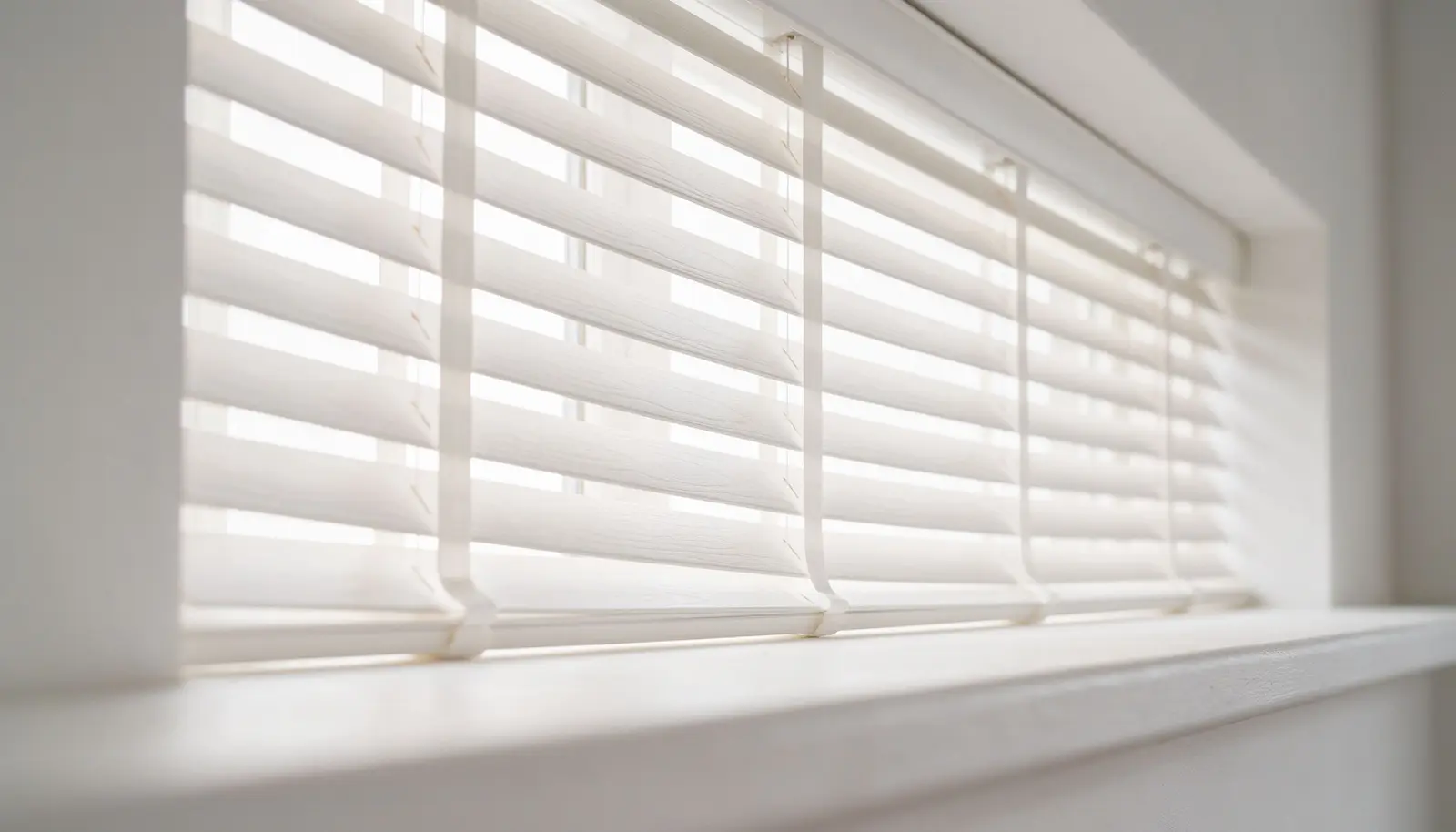
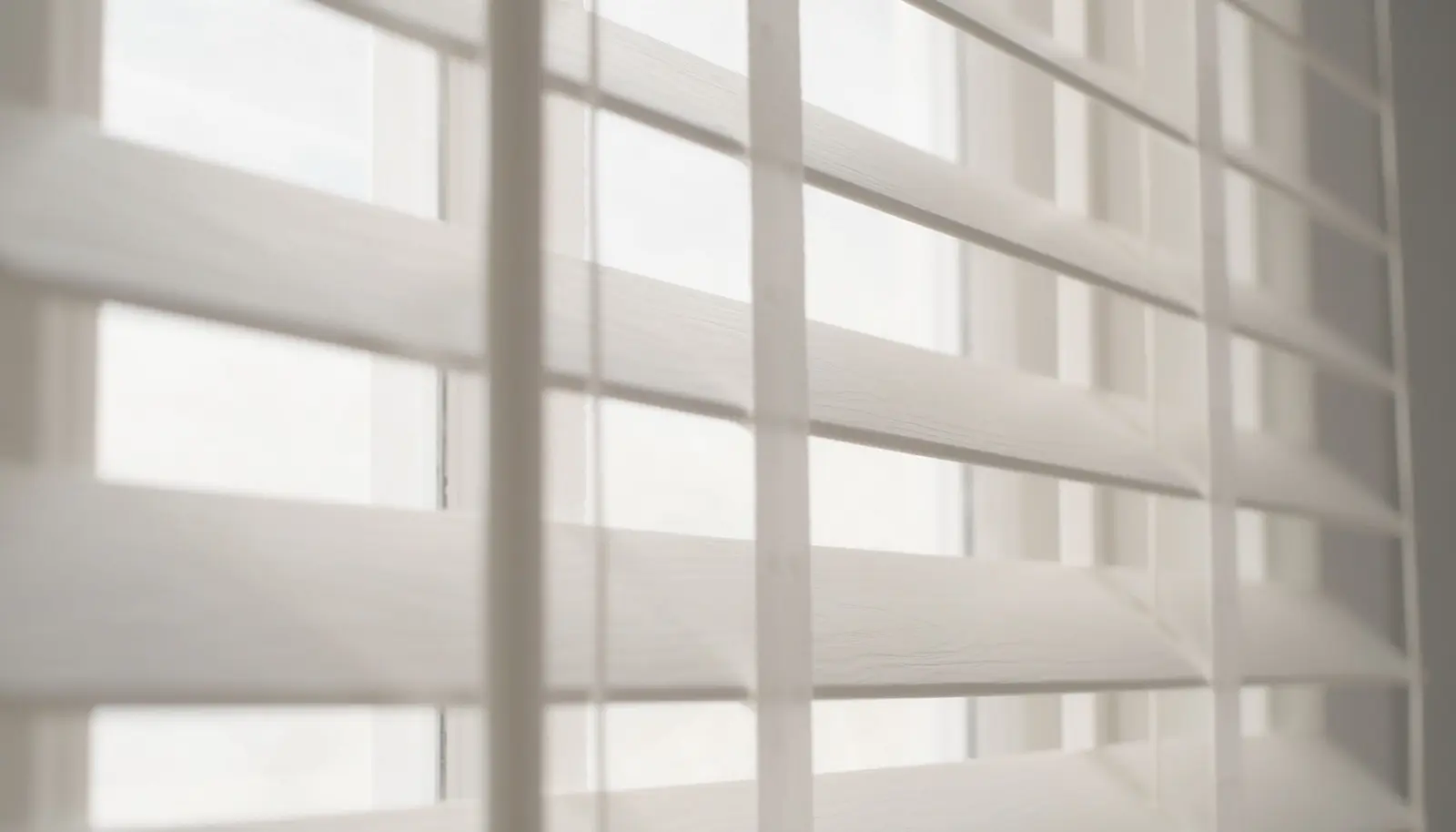
PS blinds are faux wood made primarily from polystyrene, a thermoplastic. They mimic natural wood grain while staying moisture-proof. In South Africa and some other markets they are commonly called Styro-Wood, which specifically means PS faux wood. Faux wood is the broader category - it covers PVC faux wood, PS faux wood, and composite wood-plastic types - so the label alone says nothing about price or performance.
PS material characteristics
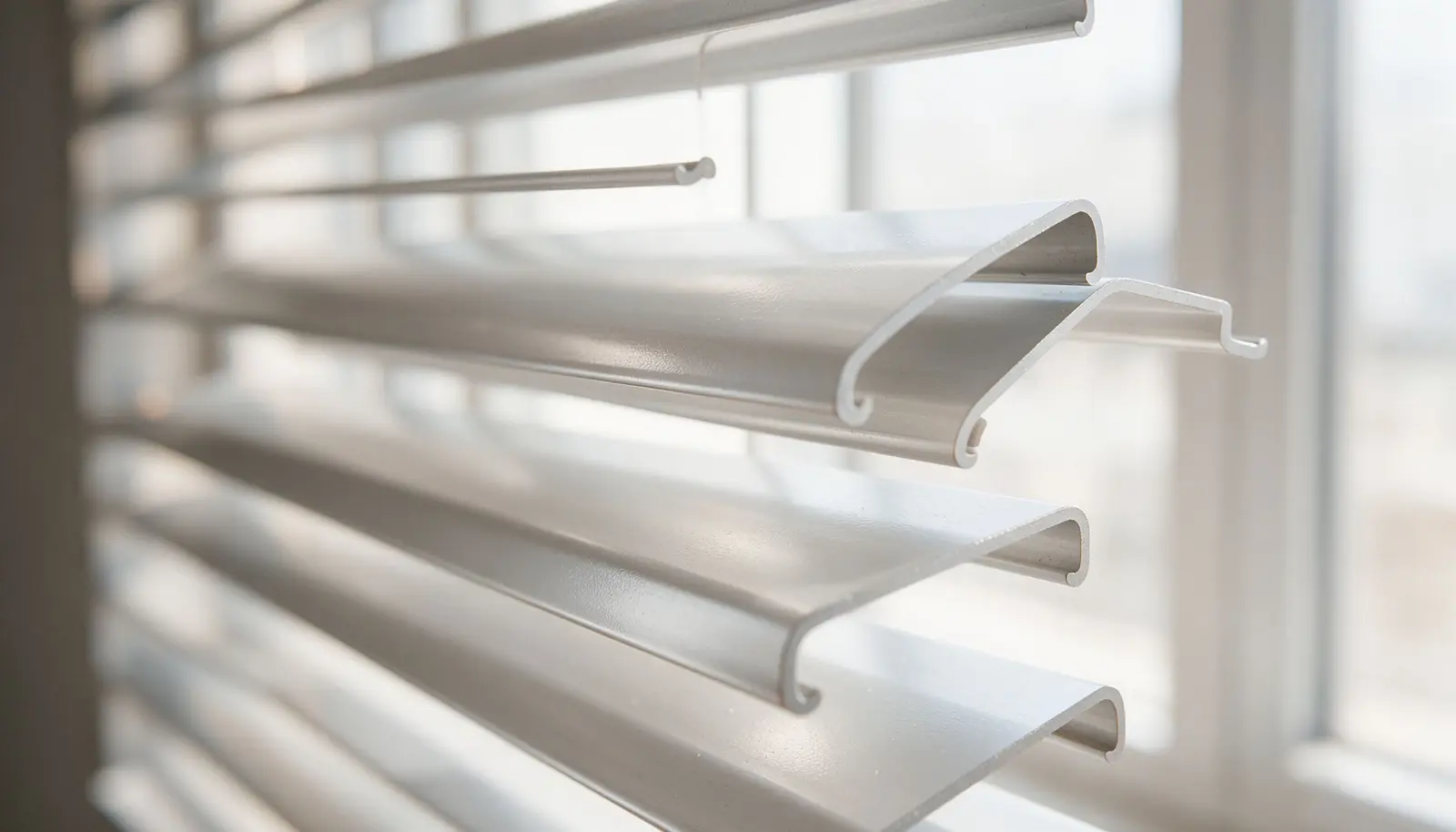
PS has lower density than PVC, so the blind is lighter and easier to lift on large windows. It is rigid and dimensionally stable, so slats hold their shape. Its heat-deflection temperature is higher than PVC, which means it does not soften or sag on a sun-facing window. It does not absorb water, so it will not swell or mold in bathrooms and kitchens, and it is recyclable with no chlorine in production, which is easier to defend on environmental grounds than PVC.
The one real weakness is brittleness. Impact resistance is lower than PVC, and slats can crack or snap under a hard knock. That means careful handling in transport and installation, and reinforced edge and corner packaging.
PS versus PVC versus natural wood
| Dimension | PS | PVC faux wood | Natural wood |
|---|---|---|---|
| Main material | Polystyrene | Polyvinyl chloride | Basswood, paulownia, etc. |
| Weight | Light | Heavier | Medium |
| Rigidity | Good | Medium | Good |
| Heat resistance | Good | Average, softens at high heat | Good, but may crack in dry heat |
| Moisture resistance | Good, non-absorbent | Good, non-absorbent | Average, deforms when wet |
| Impact resistance | Brittle | Good, high toughness | Medium |
| Wood imitation | Good | Average | Real wood, best |
| Environmental | Good, recyclable | Average, contains chlorine | Good, but uses wood |
| Price positioning | Mid to high | Economy | High end |
Positioning and specs
PS sits mid-to-high in the faux wood range: better texture, heat resistance, and environmental story than PVC, but practical where real wood would warp. Target markets are mid-to-high home-improvement retail, hotel and apartment projects, humid rooms, and projects with environmental requirements.
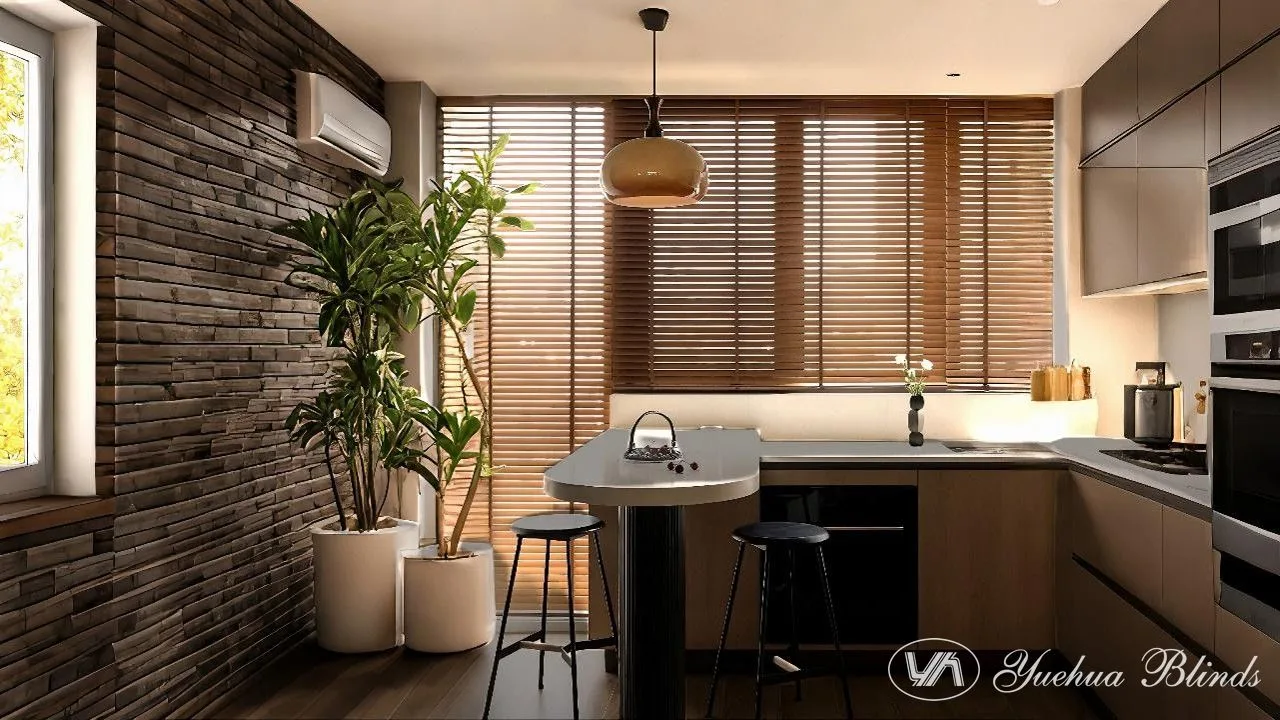
Common specs: 50mm (2 inch) slats are the mainstream width, with 63mm (2.5 inch) and 35mm (1.5 inch) also available. Slat thickness is usually slightly heavier than PVC to hold rigidity. Colors run to wood grains - white oak, walnut, cherry, maple - plus solid white and ivory. Operation is cord and wand, with cordless and motorized options; ladder tape is usually fabric matched to the slat, with nylon tape also available.
Procurement checklist
- Clarify the material. Require PS explicitly. PS and PVC look alike, so ask for material test reports or verify with a burn test.
- Confirm heat resistance. Ask for heat-deflection-temperature data so the slats will not soften in your target climate.
- Specify transport protection. Because PS is brittle, require reinforced edge and corner padding, not just a standard carton.
- Judge the grain on samples. Clarity, naturalness, and color consistency set the price; reject blurry grain or uneven color before bulk.
- Environmental compliance. PS is easier to defend than PVC, but exports to the EU and US still need REACH/RoHS test reports. Our plastic export compliance guide covers the limits.
- Retain golden samples. Confirm color, grain, and gloss on a physical sample and seal one as the acceptance benchmark.
Bottom line
Specify PS for sun-facing and humid rooms where PVC might soften, but budget for careful packaging because it is brittle. If your range sits on the PVC side, our faux wood guide walks through PVC formulation, and the faux wood venetian page shows the PVC slats it is compared against.