

Faux Wood Venetian Blinds: A Wholesale Buyer's Guide
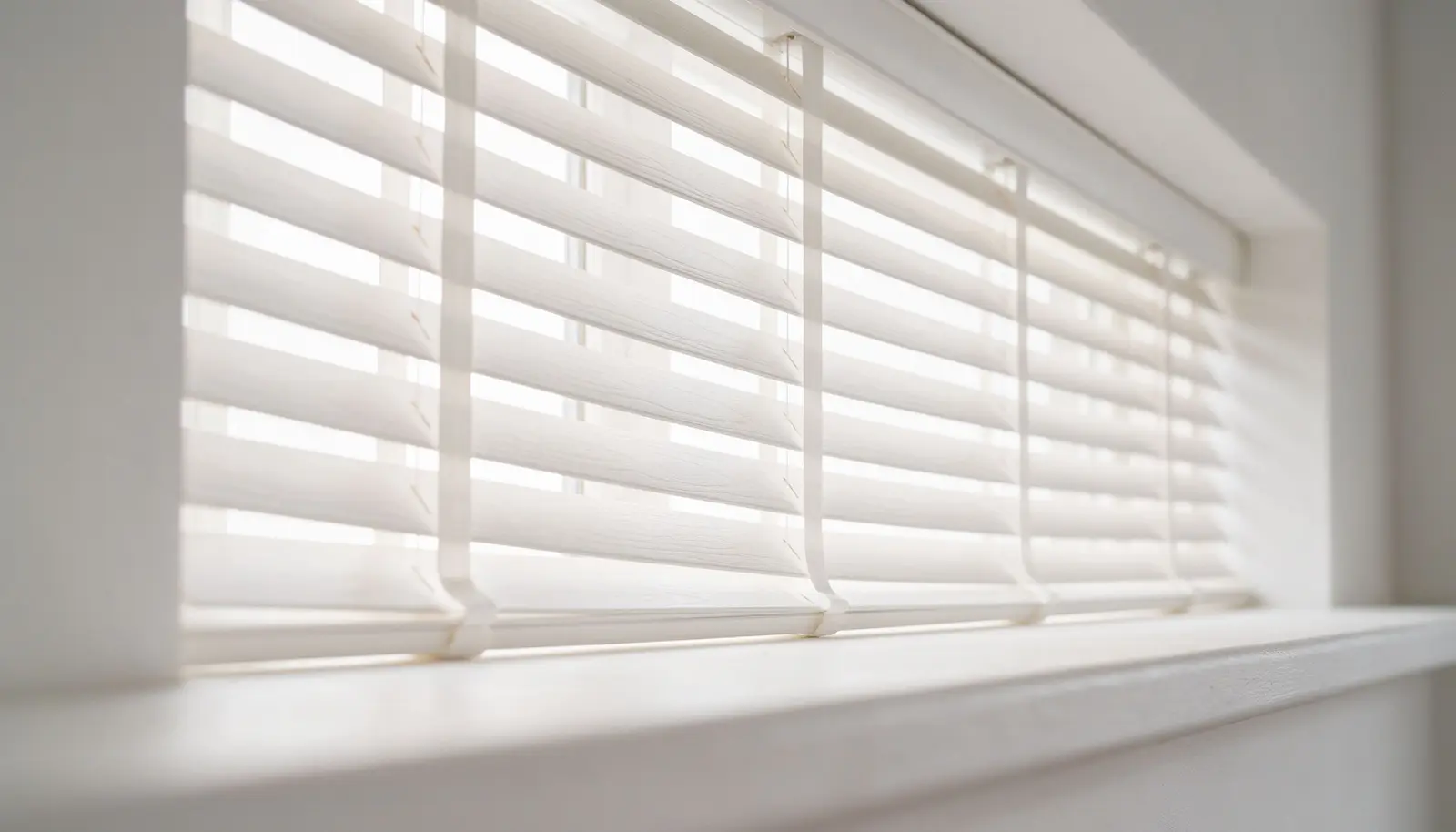
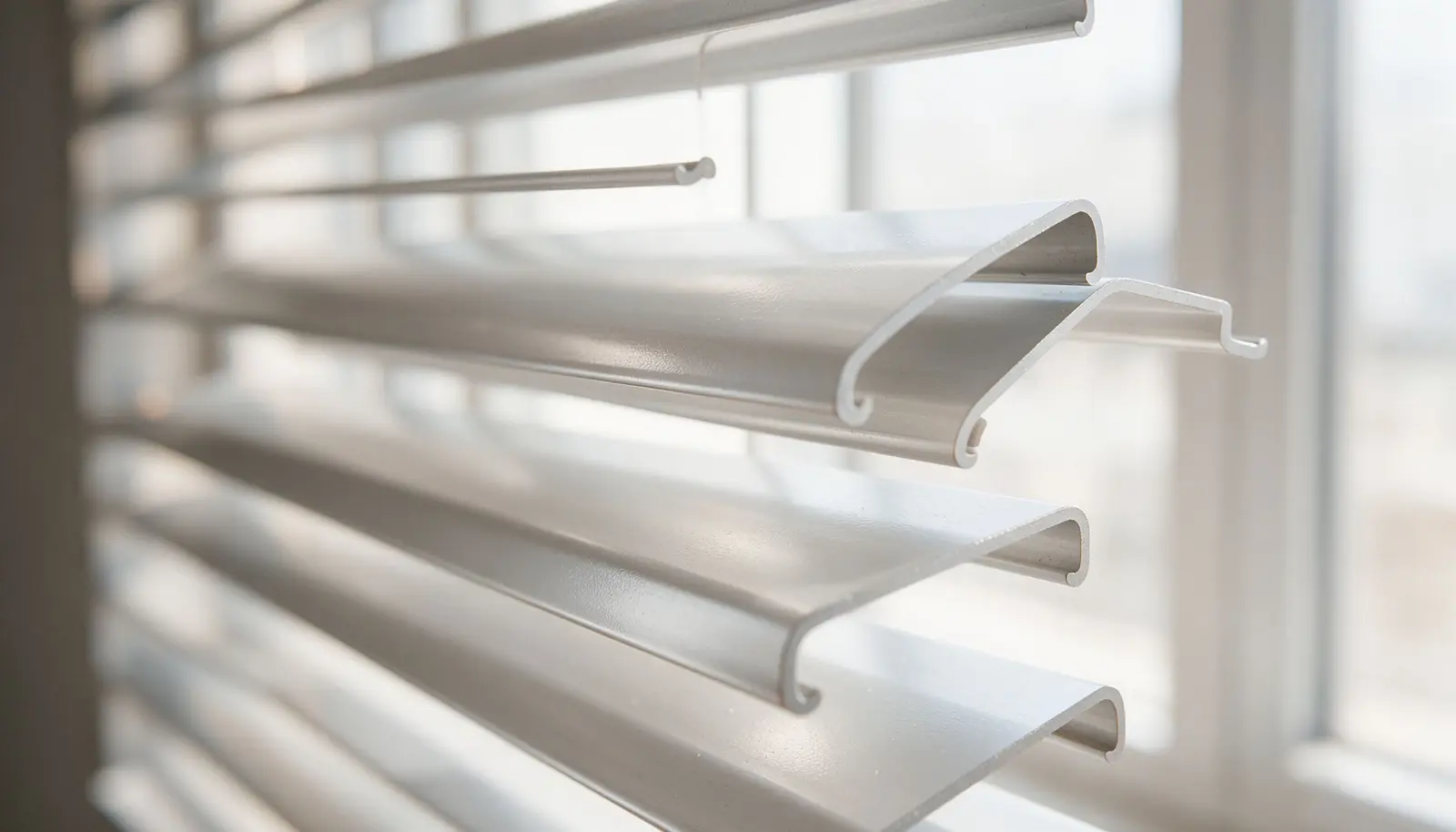
Faux wood venetians are the fastest-growing blind category because they give retailers the wood look without wood's two problems: price and moisture. The real buying risk is not the slat look, it is the formulation. In PVC faux wood, the calcium carbonate ratio decides whether a slat flexes or snaps on a cold window or in a cold container. This guide covers the materials, that formulation trade-off, and the checkpoints that keep a batch from arriving brittle.
Key takeaways
- Faux wood - embossed PVC, WPC, or polystyrene - is fully moisture-proof and lighter than real wood, which is why it wins bathrooms, kitchens, coastal properties, and rental stock.
- In PVC slats, high calcium carbonate cuts cost but makes slats brittle in cold temperatures; low calcium carbonate (high-toughness PVC) costs more but flexes through installation and winter.
- Specify the toughness grade and ask for bend-test data; some suppliers raise calcium carbonate to cut cost, so sample testing is the only guard.
- Our PVC faux wood line (YH762T 1.5" and YH763T 2", plus cordless YH763CL) sources at 1000 pcs per pattern without color matching (2500 with), 40-50 day lead time, clear box in a 5-layer carton, 4-6 pieces.
Why faux wood
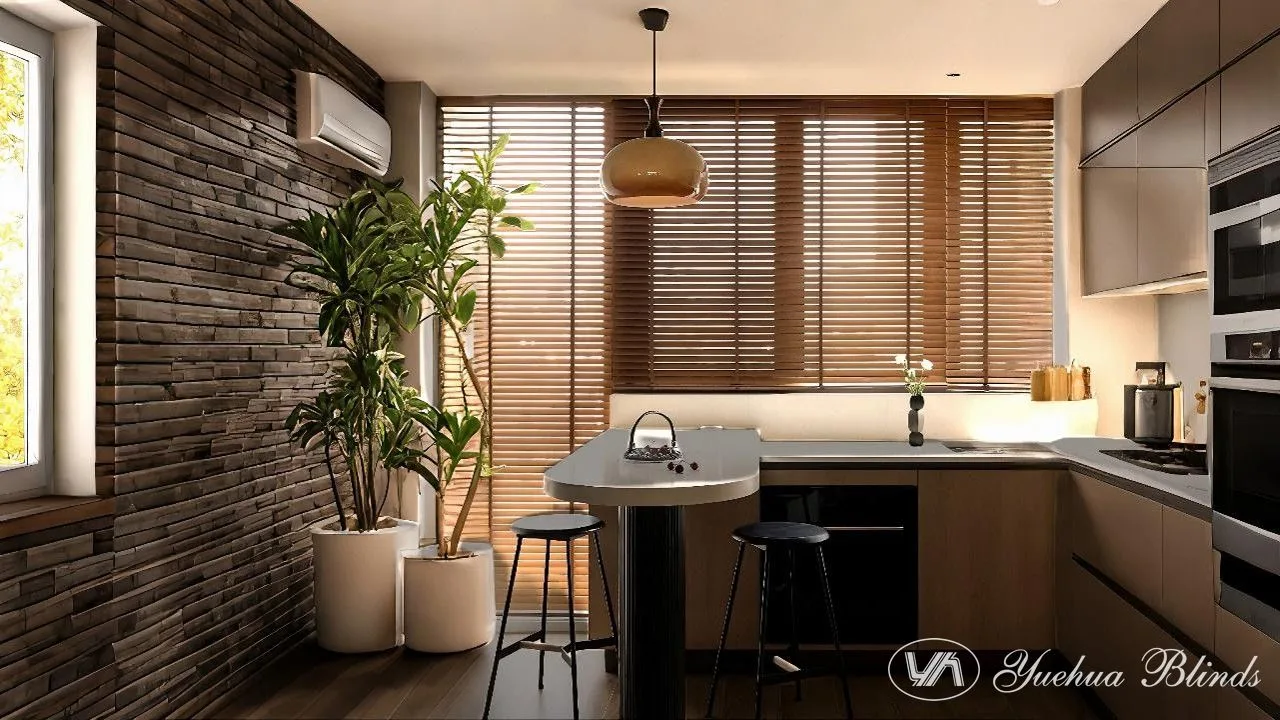
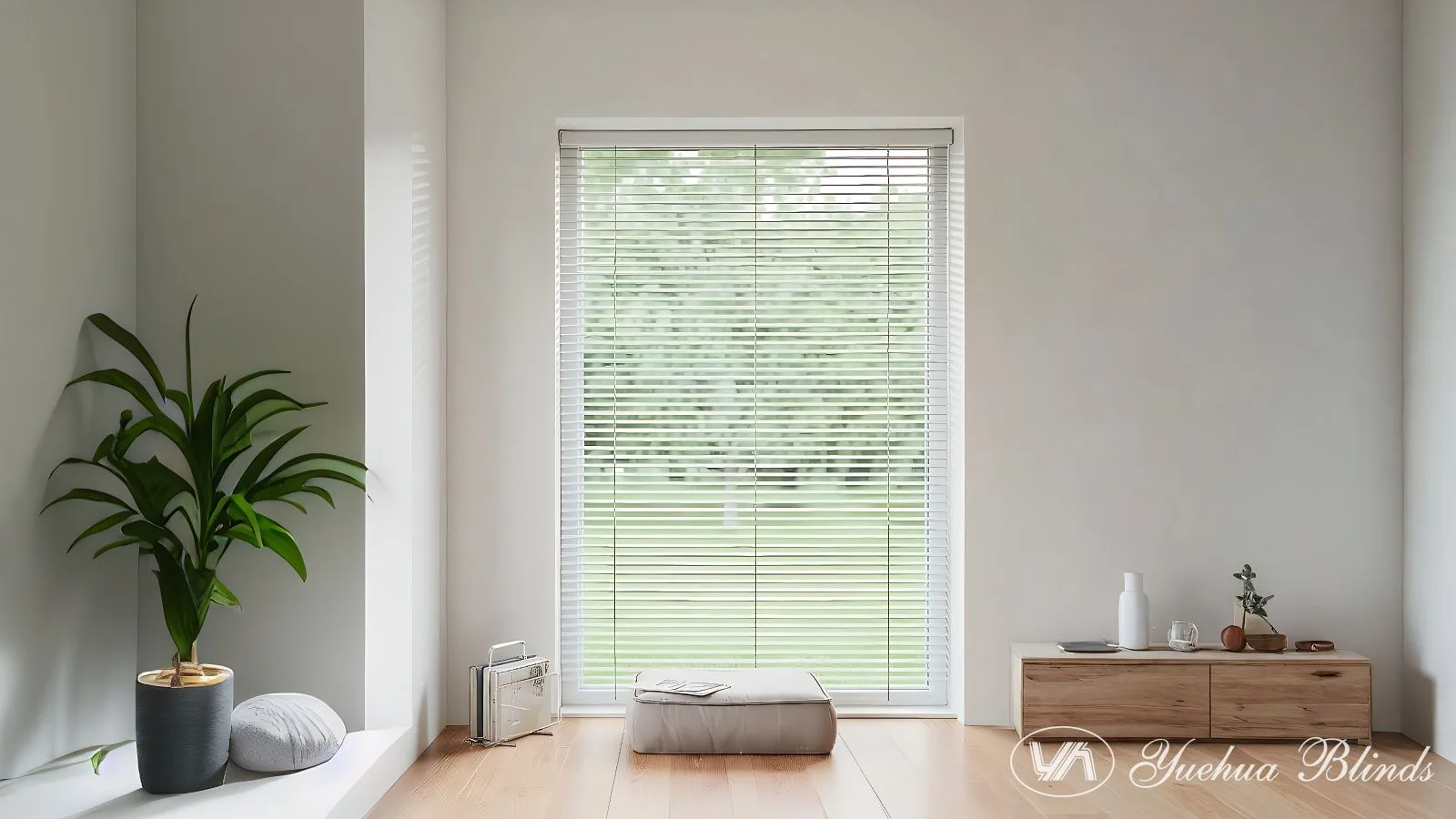
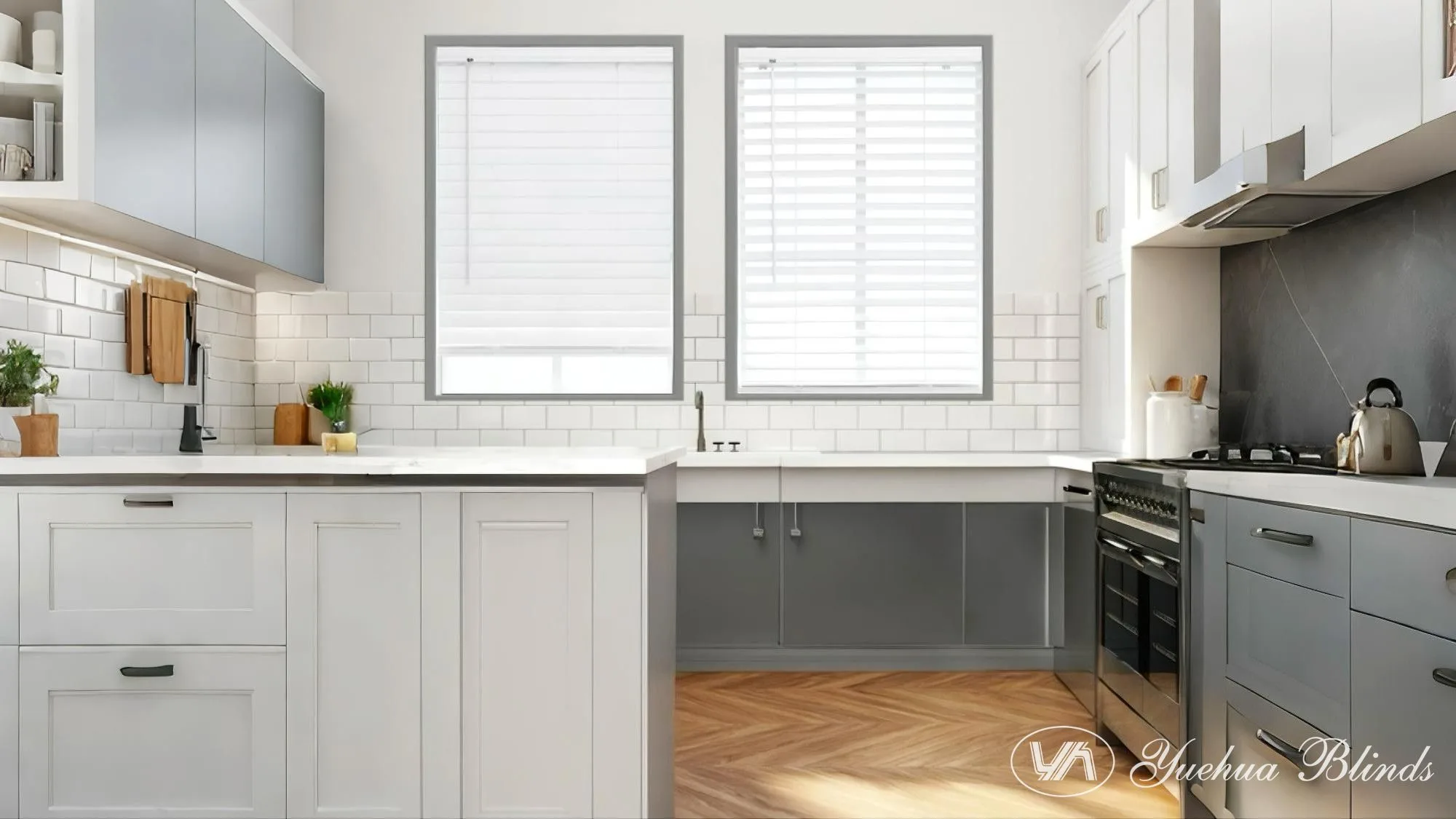
Embossed wood-grain surfaces mimic real wood at a much lower price, and the material does not warp, crack, or mildew in bathrooms, kitchens, coastal areas, or humid climates. It resists fading and staining, wipes clean with a damp cloth, and is lighter than real wood, which reduces strain on mounting hardware for large windows. That combination is what drives growth: renters and commercial stock want durability, and consumers want wood warmth without the maintenance.
Slat sizes
| Size | Profile | Best for |
|---|---|---|
| 38mm (1.5") | Compact, modern | Smaller windows, contemporary interiors, growing segment |
| 50mm (2") | Standard, mainstream | Most common worldwide, matches wood blind dimensions |
| 63mm (2.5") | Bold, architectural | Large windows, statement pieces, commercial spaces |
Materials: PVC, WPC, polystyrene
PVC is the most common and cost-effective base. It handles moisture and wear well, embosses realistic grain, and runs from budget to premium grades. The calcium carbonate ratio (below) is what separates those grades.
Wood-plastic composite (WPC) mixes wood flour with PVC for a more authentic feel and better insulation than pure PVC, at a higher price. It absorbs slightly more moisture than pure PVC, though still far less than real wood.
Polystyrene is the lightweight, entry-level option. It weighs less than PVC and takes impact well, but the wood-grain embossing is less realistic than PVC or WPC. If you are weighing it against PVC, our PS venetian guide compares the two in depth.
The calcium carbonate trade-off
For PVC faux wood, the calcium carbonate additive ratio is the quality and cost lever most buyers miss. More filler makes a cheaper, harder slat that turns brittle in the cold; less filler makes a tougher, more expensive slat that flexes.
| Formulation | Characteristics | Best for |
|---|---|---|
| High calcium carbonate | Harder, more rigid; but more brittle, prone to cracking or snapping, especially in cold. Lower cost. | Warm climates, budget buyers, cost-sensitive projects |
| Low calcium carbonate (high-toughness PVC) | Higher flexibility and impact resistance; less likely to break during installation or use; better cold performance. Higher cost. | Quality buyers, cold climates, commercial projects, premium retailers |
Action items: specify the toughness grade in the purchase order, request bend-test data so slats flex without snapping, and for cold-climate markets insist on high-toughness (low calcium carbonate) formulation. Because some suppliers raise calcium carbonate to cut cost without telling you, sample testing is essential before production. For the regulatory side of PVC and PS, our plastic export compliance guide covers REACH and phthalate limits.
Quality checkpoints
- Rigidity versus flexibility: slats must hold shape yet bend without snapping. Run bend tests on samples from each batch.
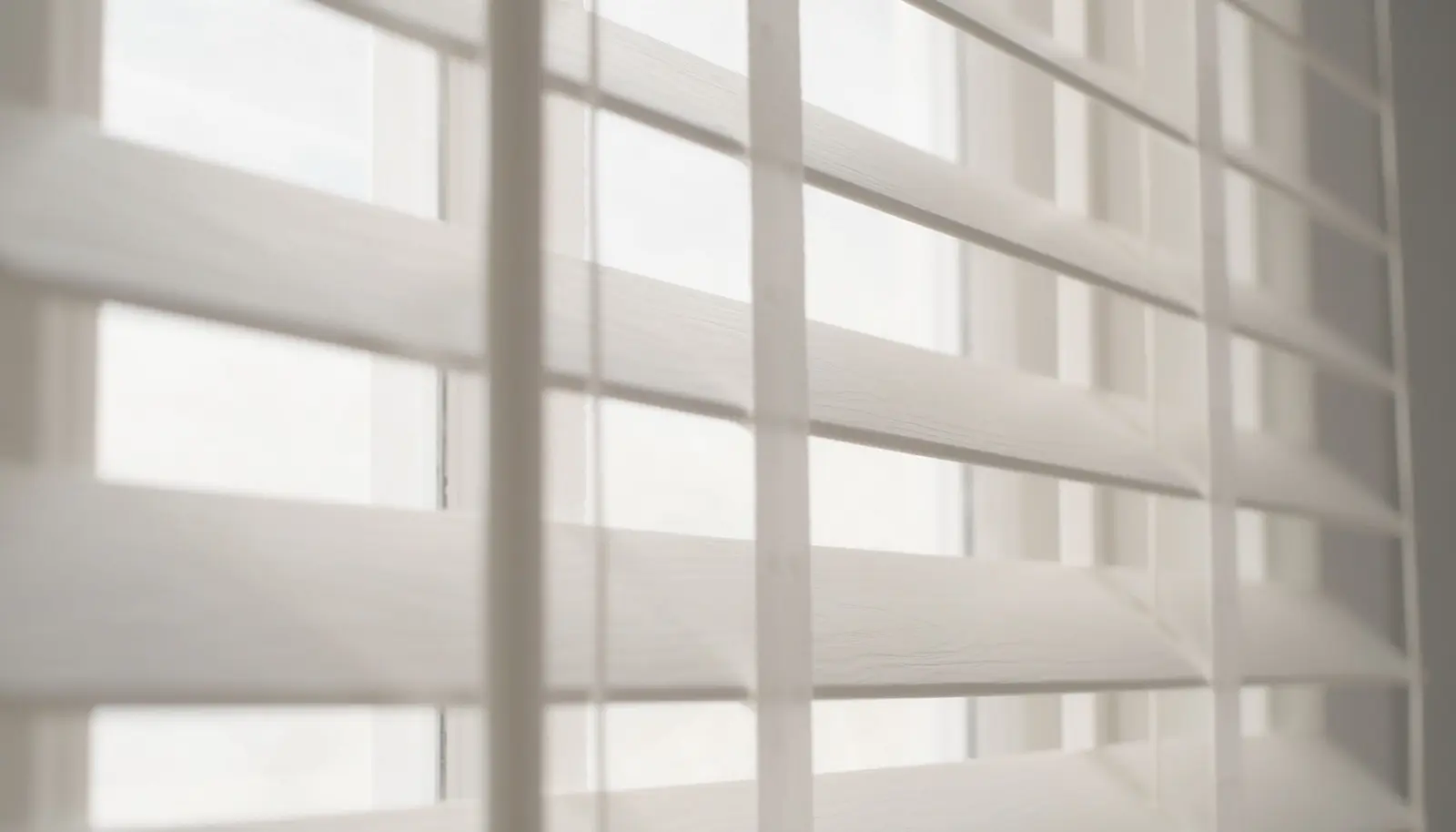
- Embossing clarity: wood grain should be clear, realistic, and consistent across slats; faint or inconsistent embossing reads as cheap.
- Color fastness (UV): request accelerated weathering data. On south-facing windows, poor UV stabilizers can show fading within 2-3 years.
- String holes: holes should be clean, correctly sized, and reinforced so they do not tear under the blind's weight.
- Valance fit: valances should clip securely, sit flush with the headrail, and match the slat color and embossing.
- Cold performance: for cold-climate markets, flex-test slats at low temperature (about 0 C / 32 F); high calcium carbonate PVC gets dangerously brittle.
- Headrail operation: tilt should move smoothly and lift cords should not bind or fray.
Bottom line
Stock 2-inch PVC faux wood as the mainstream line, specify high-toughness formulation for cold-climate accounts, and always test samples for bend and UV before production. The faux wood venetian blinds page lists the current 1.5 and 2-inch SKUs.