

Roller Blinds Sourcing Guide: Blackout, Sunscreen, Printed, and Everything Between
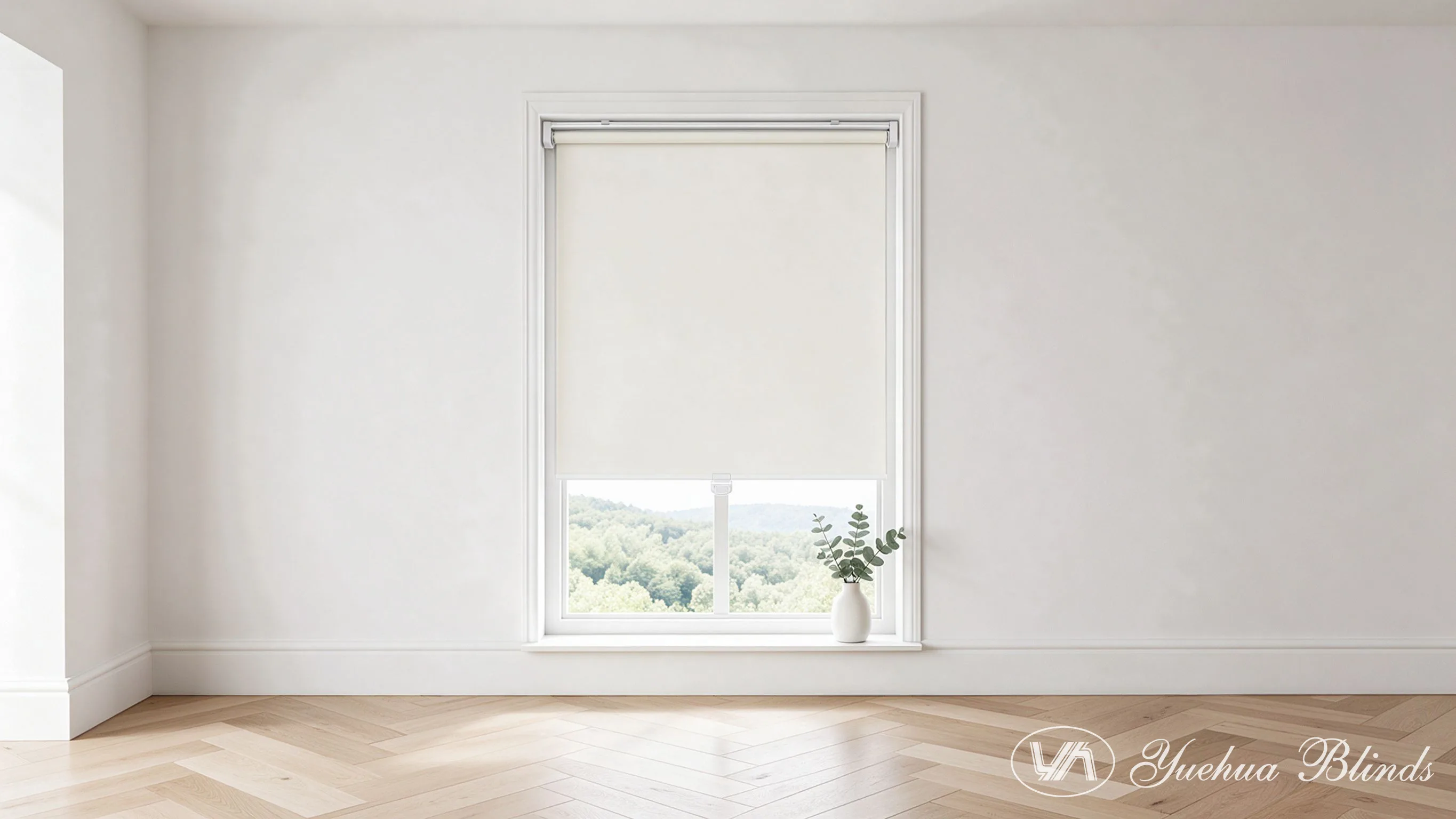
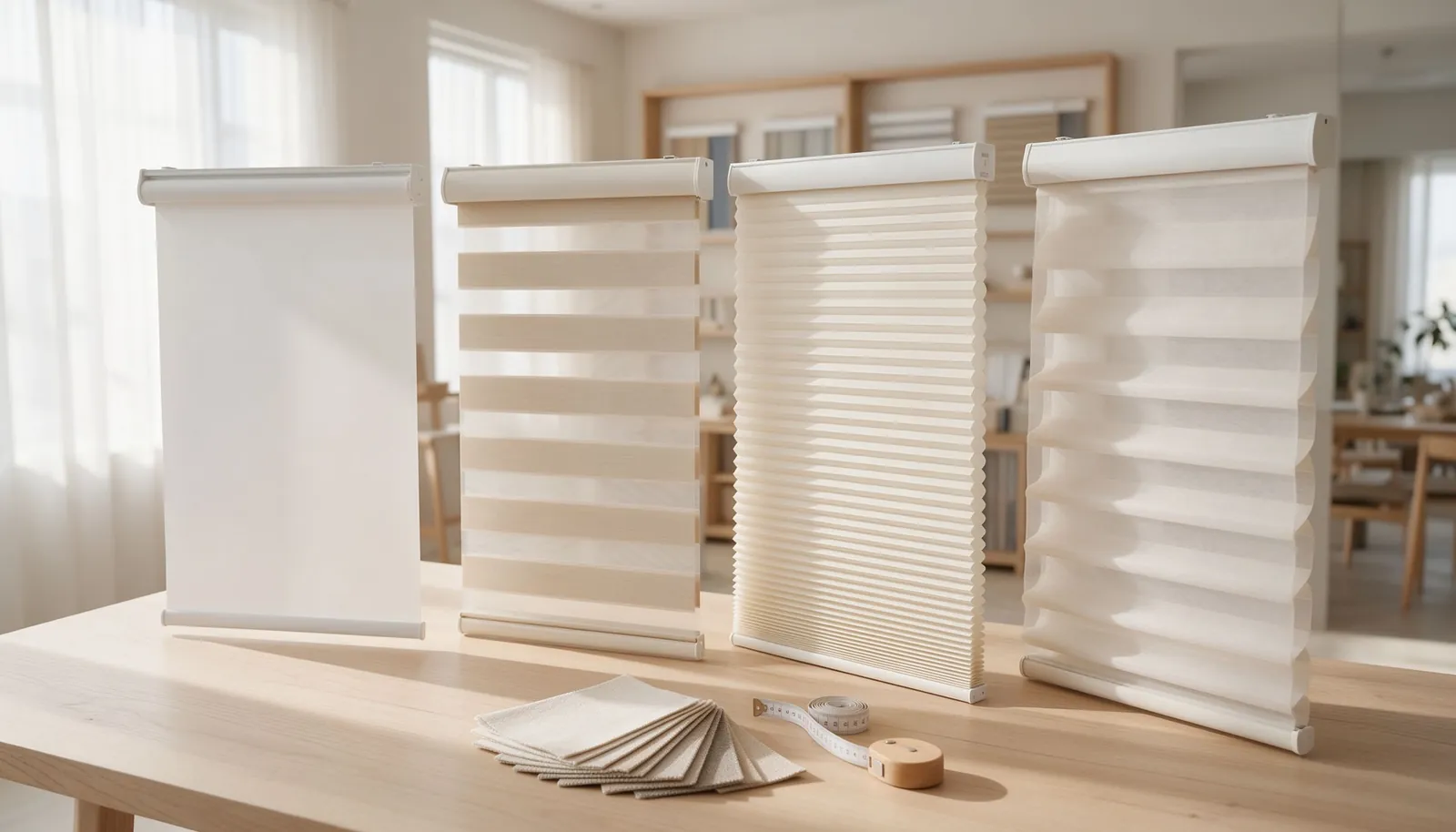
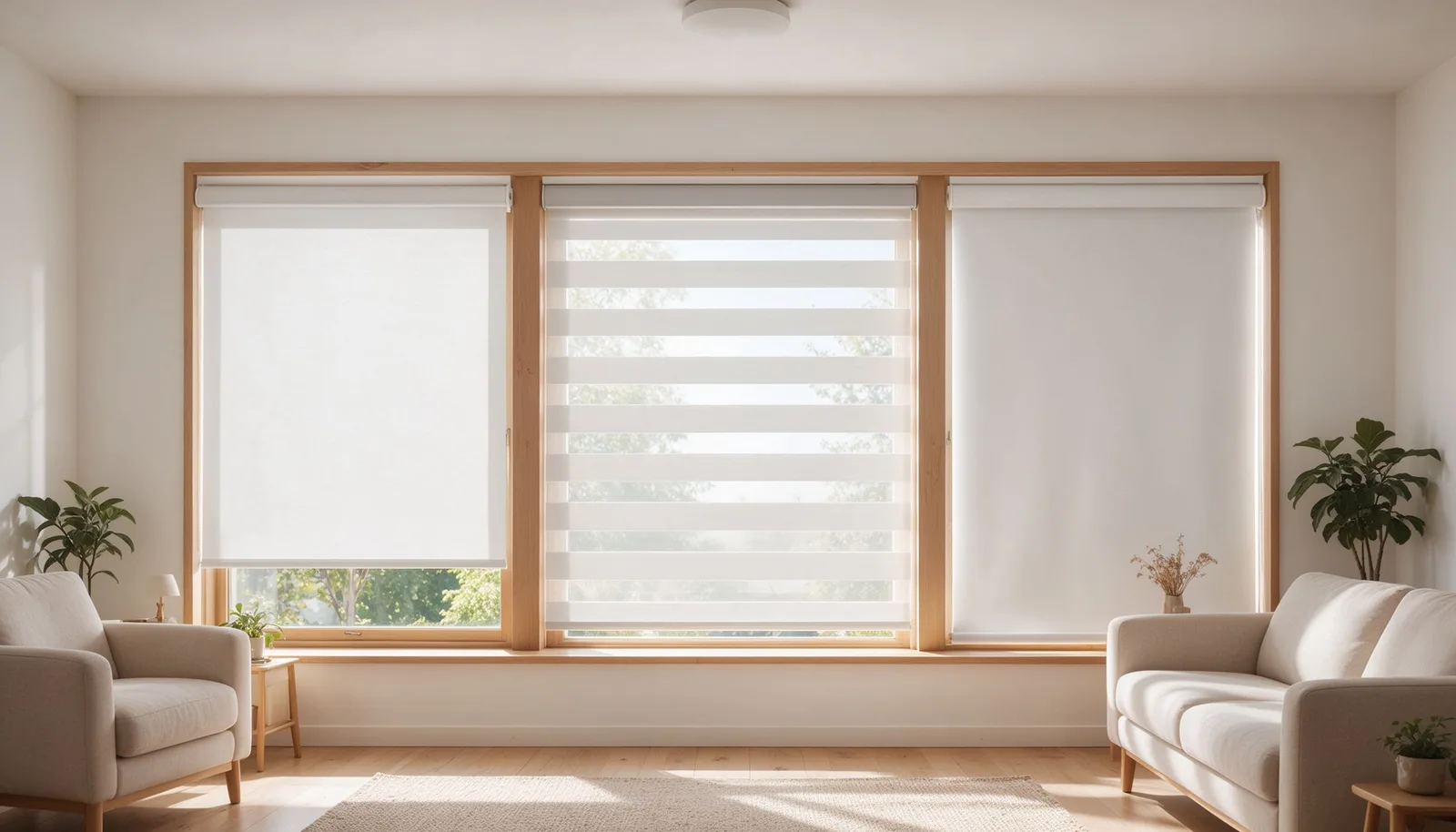
A roller blind is a fabric shade that rolls up around a tube at the top of the window, and it is the volume category of the window-covering business. The mechanism is simple, but the fabric and the build decide what the buyer actually receives. In practice, the name covers several distinct products: blackout, sunscreen, decorative, spring, easyfix, and motorized. For example, a blackout bedroom spec is a different product from a sunscreen sunroom spec, and they should be quoted separately. First, this guide separates the builds, so the order matches the market. The mainstream terms are stable: 1000 pieces per pattern without color matching, 2500 with, and a lead time of 40 to 50 days. The six builds below set the SKU mix, and each one targets a different retail shelf.
Blackout
A blackout roller blind is a coated or laminated fabric shade that blocks light, and it is the bedroom spec that should be labeled blackout on the shelf. The Standard blackout roller blindsLine covers that entry spec. The Small-cassette blackout roller blindsAdd the cassette that covers the roll, which is the look most retail customers ask for. In practice, blackout is the entry spec, and the cassette version is the upgrade that closes the retail order. For example, a bedroom account stocks the standard line and offers the cassette as the step-up, because the cassette changes the whole look at the window. First, the coating or lamination is what makes the blackout claim real, so verify the blackout test data before quoting, and the shelf label is the retailer's proof.
Sunscreen
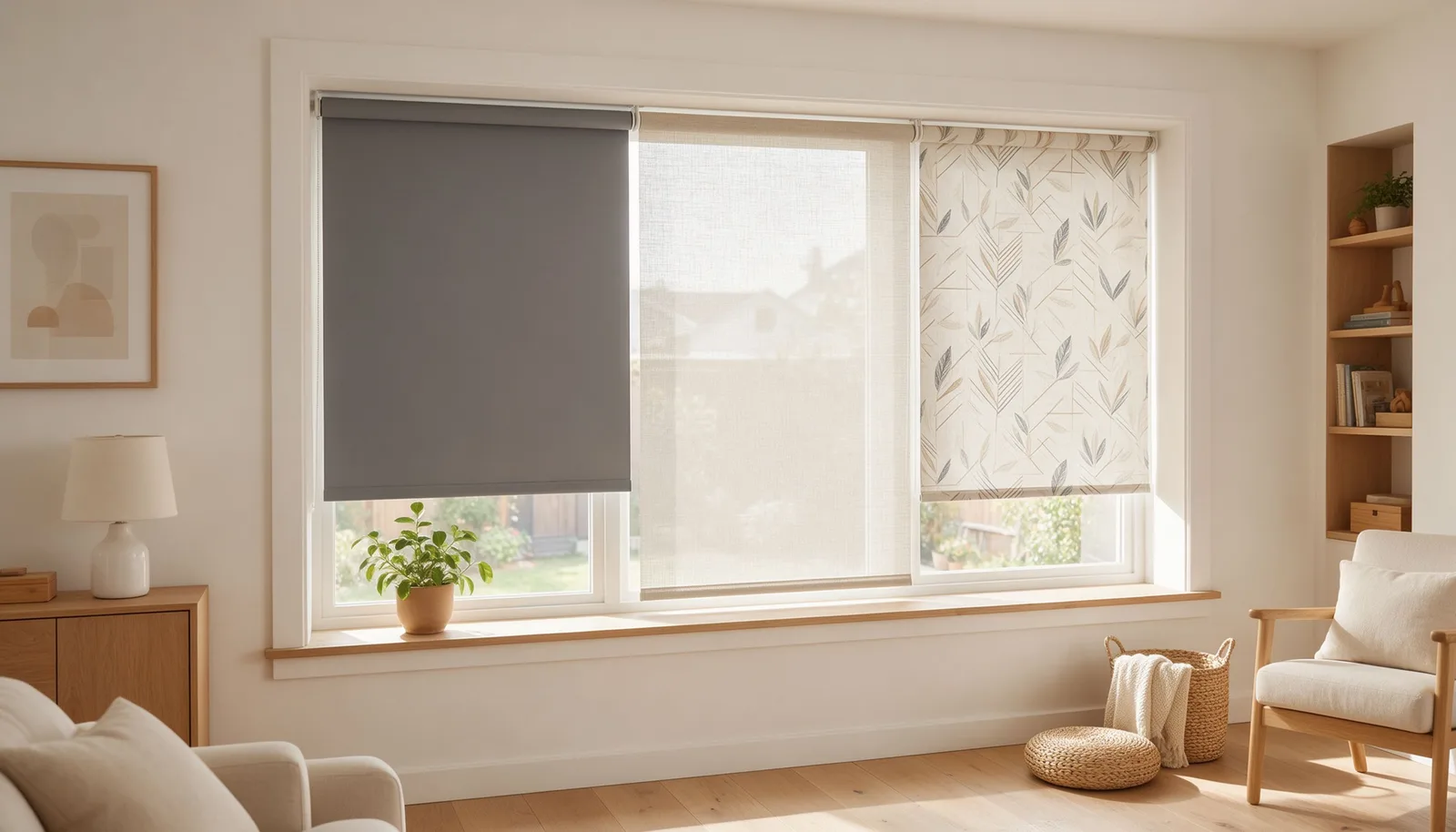
A sunscreen roller blind is a glare- and UV-filtering shade that lets light through and keeps the view, and it suits sun rooms and hot climates. The Sunscreen roller blindsLine covers the standard spec. For example, a café terrace chooses sunscreen to keep the view while filtering glare, and a sunroom account uses the same build for afternoon comfort. When the customer needs the room dark in the afternoon, a blackout-backed build is the quote, because the sun is fully blocked. In practice, sunscreen sells where heat and glare are the problem, and blackout sells where darkness is the requirement; the two specs are not interchangeable, and the UV data is the sales sheet. First, confirm the open-factor and UV data on the spec sheet, because they are what the retailer quotes to the end customer.
Decorative
A decorative roller blind is a shade that sells on pattern and texture, and the two main lines cover the shelf. The Printed blackout roller blindsSell on pattern, from abstract prints to branded looks. The Linen-look roller blindsGive a natural texture at a roller price, with a blackout version available. Sheer nonwoven builds diffuse light for soft-day spaces. In practice, these are smaller-volume SKUs, but they fill the shelf and drive the add-on sale, because pattern is what a walk-in customer reacts to first. For example, a kitchen account adds printed blackout for the pattern sale, while a living-room account takes linen-look for texture. First, treat decorative as the shelf-filler line: smaller MOQ holds, but the pattern range keeps the display fresh, and the display is the sales driver.
Spring and easyfix
A spring roller blind is a cordless shade with a spring inside the roller tube, and the blind stops wherever the user leaves it, with a firm pull sending it back to the top. The Spring roller blindsLine covers the spec, and there is a blackout version for bedrooms. Easyfix roller blinds mount with tension brackets, so no drilling is needed and installation takes minutes, which makes them the rented-home answer. In practice, spring and easyfix cover the no-hardware and child-safe segment, because neither build exposes a hanging cord. For example, a rental-market account prefers easyfix for the drill-free install, while a child-safe spec takes spring for the cordless operation. First, the two builds quote as premium extras over the standard roller, and the market pays for the installation saving.
Motorized
A motorized roller blind is a remote-controlled shade with no cord and nothing to wire beyond the motor, and it is the premium end of the roller category. The Motorized blackout roller blindsLine covers the spec. In practice, one motorized line is enough to test demand, because it is a margin product, not a volume product. For example, a hotel project or a premium residential account is where the motorized quote lands, and the remote control is the selling point. First, stock one motorized SKU in blackout, confirm the motor voltage for the destination market, and treat it as a quote-on-demand line rather than a shelf line, and the remote is the first selling point. The margin covers the higher inventory cost, and the volume stays thin by design.
Three decisions on every order
Fabric first: blackout, sunscreen, or decorative are three different products and should be quoted separately. Build second: small cassette or bare, corded or cordless, spring, standard, or easyfix. Compliance third: in the US, cordless has been the entry requirement since the 2024 standard, so if the stock holds corded builds, know which market they are going to and what that market requires. For example, the US cordless rule is the compliance entry for that market. The US window blinds compliance guide covers the rule in full, and the Roller versus zebra guideCompares the two volume categories. In practice, the three decisions set the SKU mix for the whole order, and the order of the decisions prevents quoting the wrong build. First, write the fabric, the build, and the compliance answer on every quote line, so the factory and the retailer read the same spec for the same window.