


Building a Blind Range: Value, Mid, and Premium

If you are building your range from scratch, skip the long SKU list and start with three tiers. In simple terms, you need value product to get people in the door, a mid tier that retailers reorder month after month, and premium SKUs where the margin actually sits. Leave one out and the range stops working properly. Distributors who run all three tiers sell more per retail account than those who run a single price level, because the shop can move a customer up instead of losing them to a competitor. This guide maps the tiers to specific product families and shows the upgrade path between them. First, decide the tiers; second, assign products; finally, set the stock depth. For example, a three-tier range is easier for a shop to present than a flat price list.
Value tier
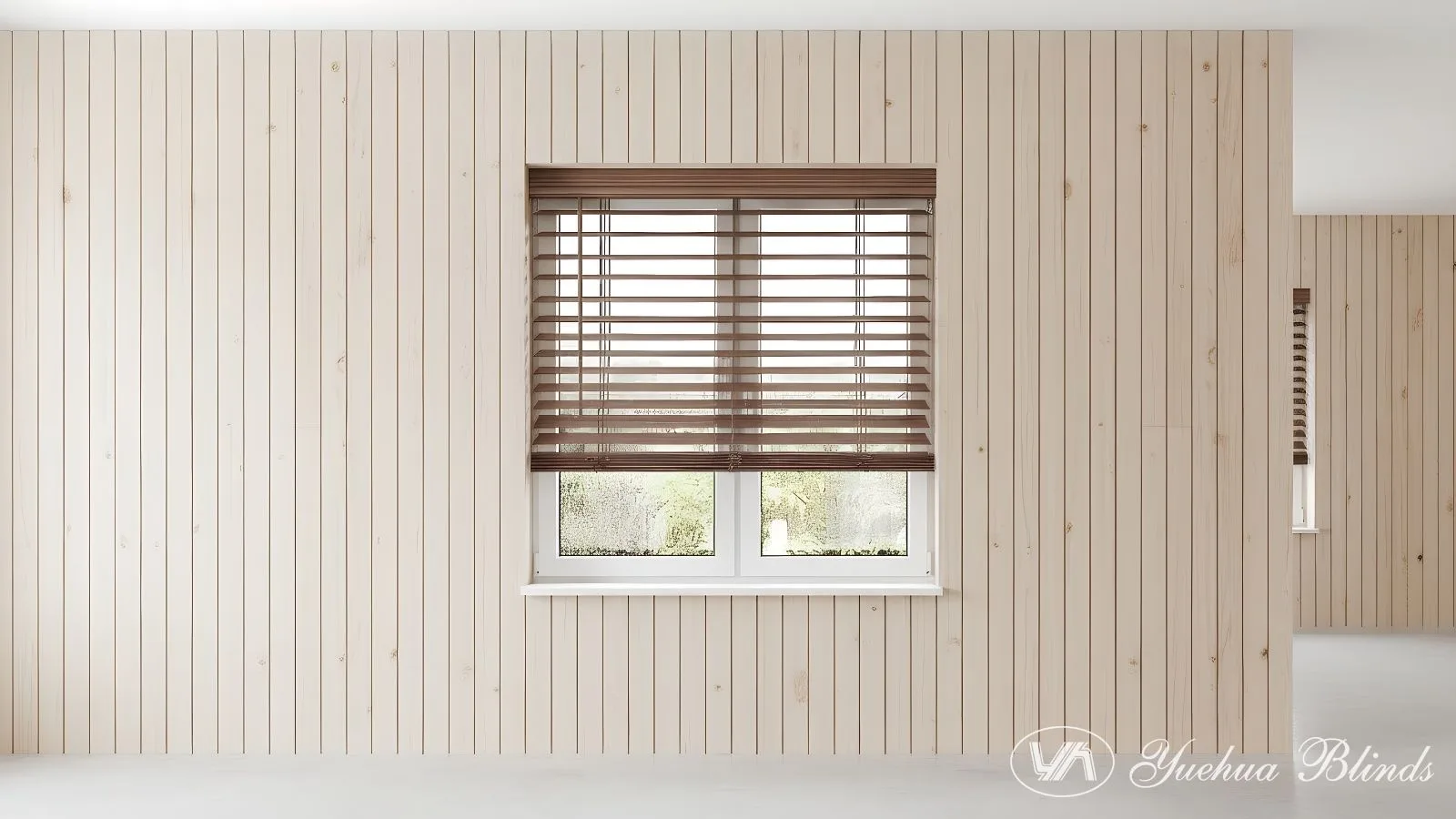
These are the products your shops will advertise. In practice, the value tier is simple builds at prices customers recognize:2" Cordless Faux Wood Venetian Blinds and2" PS Faux Wood Venetian Blinds with String Ladder,L-shape rail zebra blinds, andBasic roller blinds. This tier does not earn your margin; it brings people in, and some of them come back for something better. For example, a printed blackout roller at a sharp price opens a shop conversation that ends with a cassette or honeycomb sale. The value tier is usually the largest order by pieces but the smallest by margin per piece, which is why it must be easy to advertise and easy to stock.
Mid tier
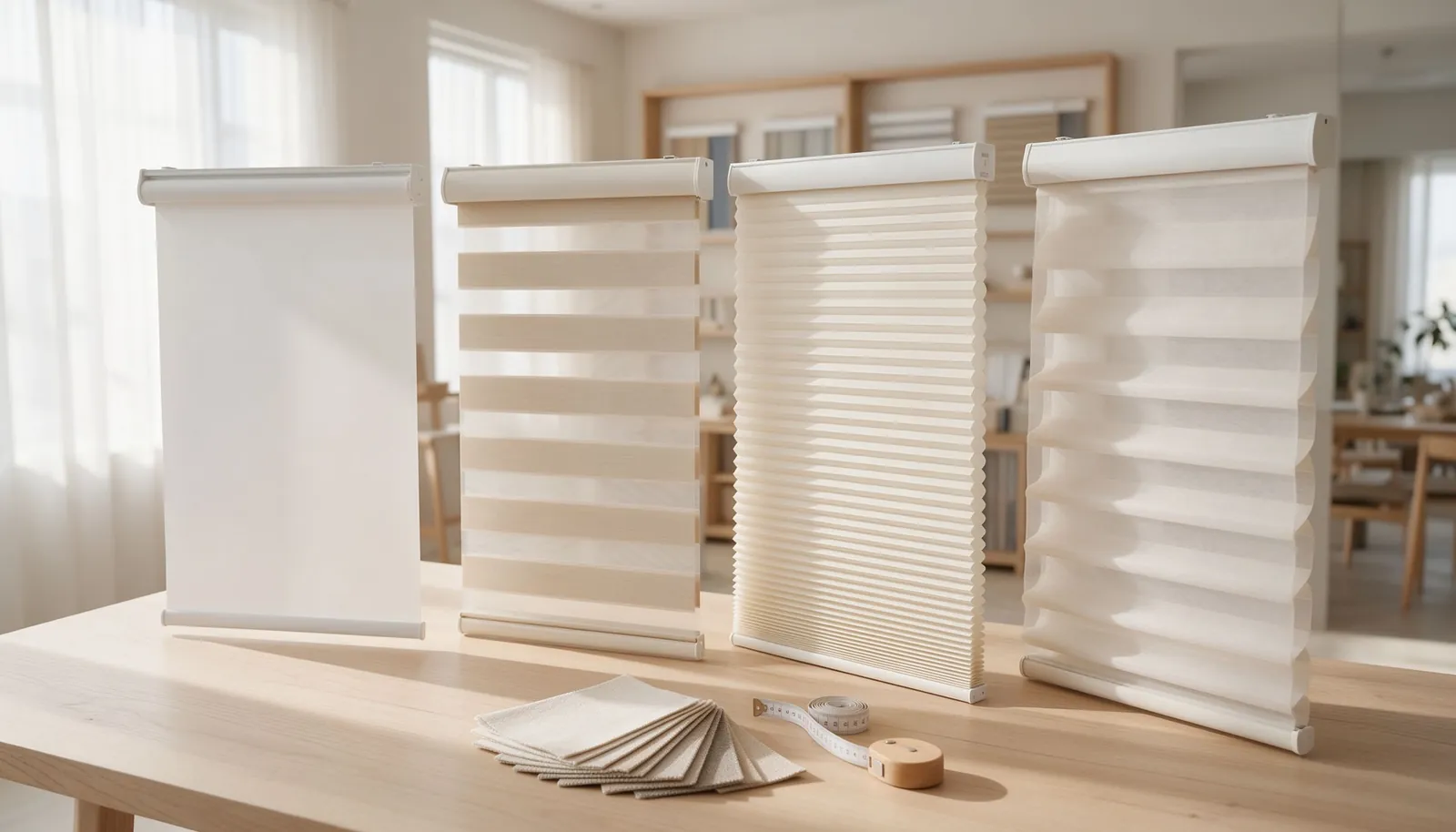
This is where most reorders land. The roller family carries the tier:Blackout Roller Blinds,Sunscreen Roller Blinds,Printed Blackout Roller Blinds,Linen-Look Roller Blinds, plusCordless Pleated Blinds and the standard zebra builds. Retailers reorder this tier month after month, and it keeps your container economics healthy because the same fabric family fills mixed cartons. The mid tier is the volume that pays for the container; the value tier starts the conversation and the premium tier ends it. Most restock orders land in this tier, so stock depth here shortens your customers' lead time. For example, a distributor who keeps blackout, sunscreen and printed rollers in the same color family can ship mixed reorders from one carton. In practice, hold a buffer on the two best-selling sizes; steady accounts reorder these families 3 times per year.
Premium tier
Small-cassette zebra blinds,Cordless Blackout Honeycomb Shades,Cell in Cell Cordless Honeycomb Shades,Shangri-La Shades, and one motorized line, such asMotorized Dream BlindsOrMotorized Blackout Roller Blinds. These are not volume SKUs; they exist so a shop can move a customer up. The premium tier carries a higher unit margin and turns slower, and that trade-off is expected, not a failure. For example, one premium display per shop is enough to lift the average ticket when the staff can explain the upgrade, and one motorized line covers the customers who ask for something smarter. In practice, first keep the premium tier small and consistent, and second rotate it only when the mid tier tells you the market is ready.
The path between tiers
The part most ranges get wrong is the path between tiers. If the tiers just sit side by side, the shop sells what the customer asks for and the upgrade never happens. Give your shops a one-sentence path for each step:L-shape rail zebra blindsToSmall-cassette zebra blinds, same fabric, cleaner look, quieter operation, cassette covers the roll;Bare roller blindsToSmall-cassette blackout roller blinds, covers the roll and blocks light; corded toCordless small-cassette zebra blinds, the safety sell, and in the US the law. Each step is a visible improvement an assistant can explain in one sentence. Hand them that sentence and they will sell the upgrade themselves. For example, a shop that leads with L-shape zebra at the value price can step the same customer to a small-cassette zebra on the next visit.
What your supplier has to be
The range only works when the regular SKUs are in stock and can be reordered fast. Before you commit a container, settle this with your supplier: one-stop assortment, ready stock on the movers, quick restock. In practice, that is what keeps your shops from drifting to whoever has stock. The standard MOQ applies per fabric pattern, so a stock program of standard sizes can be reordered in smaller quantities than a custom program, which is the mechanism behind fast restock. For example, a distributor who reorders the same three mid-tier families each quarter keeps shelf continuity that single-item buyers never get, and that continuity is what makes the premium tier affordable to carry. A supplier who cannot restock the movers in small lots forces the distributor to over-buy or lose the shelf.