


How to Choose Window Blinds for Your Market
Blinds are not a one-size-fits-all product. What sells in one country often sits on the shelf in another. In simple terms, three things decide the range: how people use light, what they are used to paying, and which styles the market already accepts. The markets that grow fastest in blinds are the ones where the distributor builds the range around local room use and local price points, instead of copying another market's list. This guide helps you build a range that fits your own market. For example, a range built for Mexico differs from one built for the Netherlands in opacity, size and price point, even when both start from the same factory catalogue. In practice, start from a short list of product families and let sales data widen it.
1. Look at how your market uses light
Light use decides the opacity mix. In hot, sunny climates, blackout and UV-blocking fabrics win; in cooler, northern markets, light-filtering and sheer options lead. Room use matters as much as climate: bedrooms and media rooms take blackout, offices and kitchens take light-filtering or sunscreen, and the opacity level (blackout, semi-blackout, transparent) should match the room, not habit. For example, a distributor in Central America sells most blackout units for bedrooms, while the same blackout line sells less in markets where daytime heat, not light, is the problem. In practice, split your range by room and by light use, then assign each product to one of those boxes.
2. Carry two lines: a volume line and a premium line
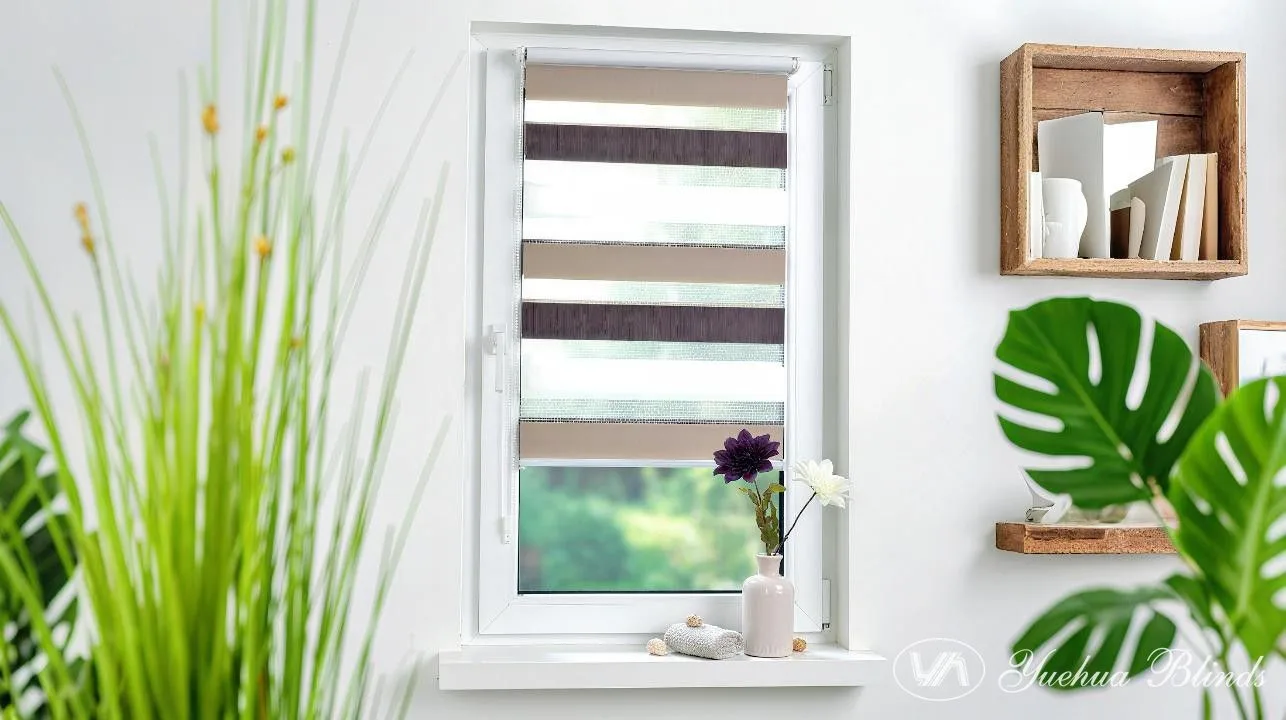
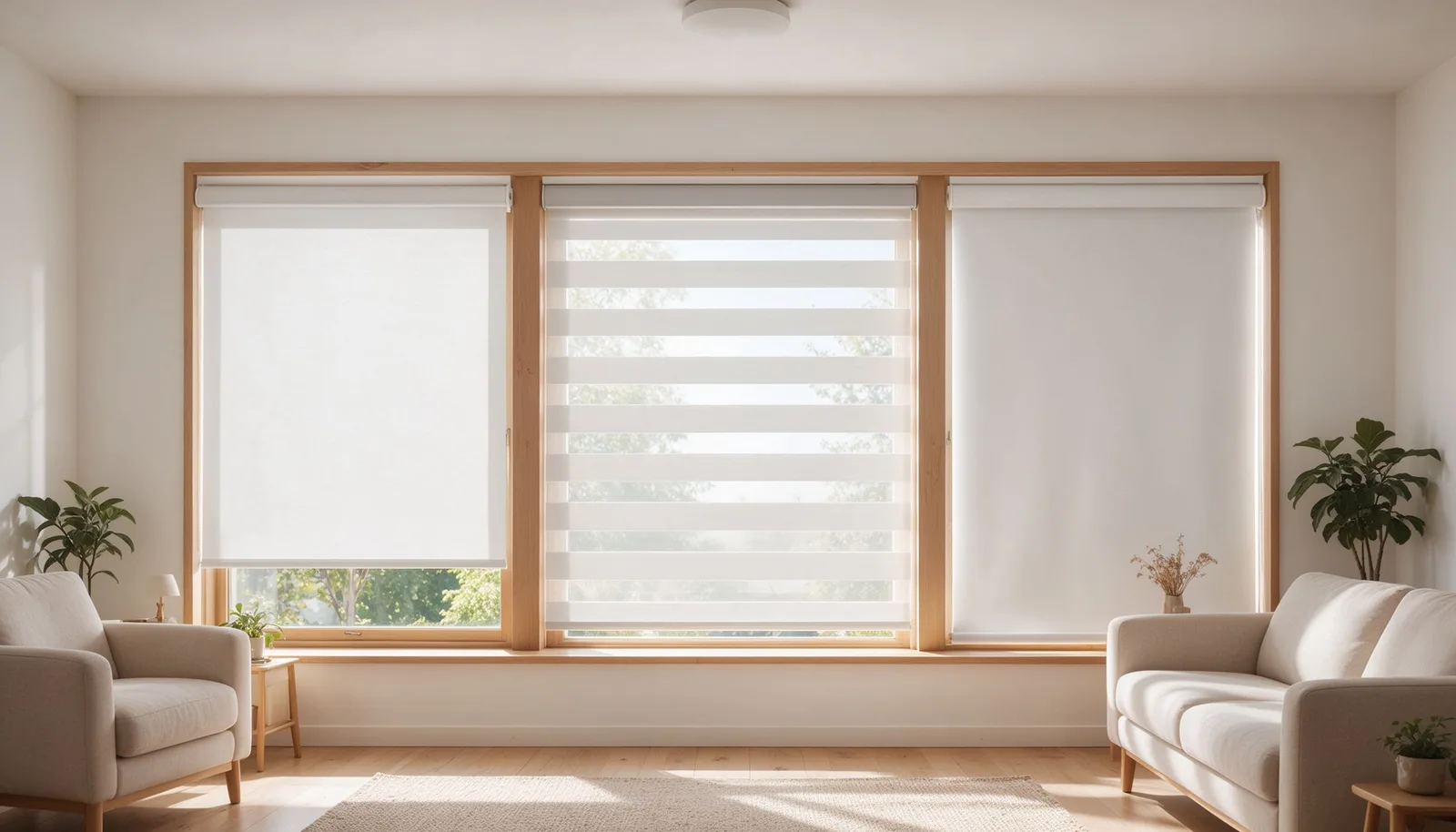
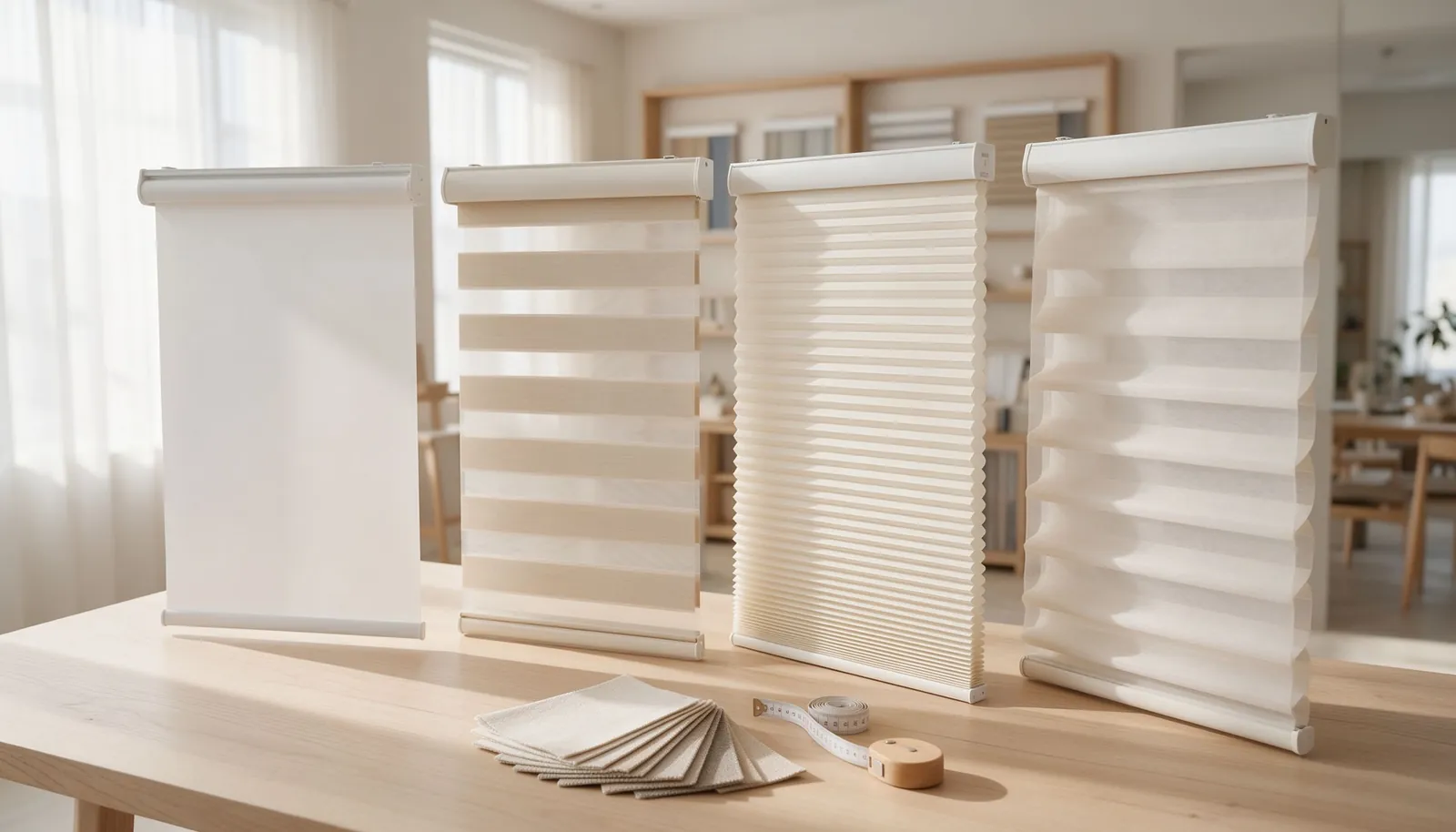
Most distributors sell more when they offer a simple price-driven line and a better-finished premium line. Think ofRoller blindsFor the volume side andA zebra blind with a compact cassetteFor the premium side; the premium line carries your margin and your name, while the basic line catches price-sensitive buyers. The two can even share the same fabric, and the difference sits in the hardware, finish and packaging. That gives your retail customers an easy upgrade to offer at the counter. A two-line structure lifts sell-through in most programs. A standard roller at the volume price and a zebra with a compact cassette on the same rail profile give the shop two price points from one display.
3. Build collections, not single items
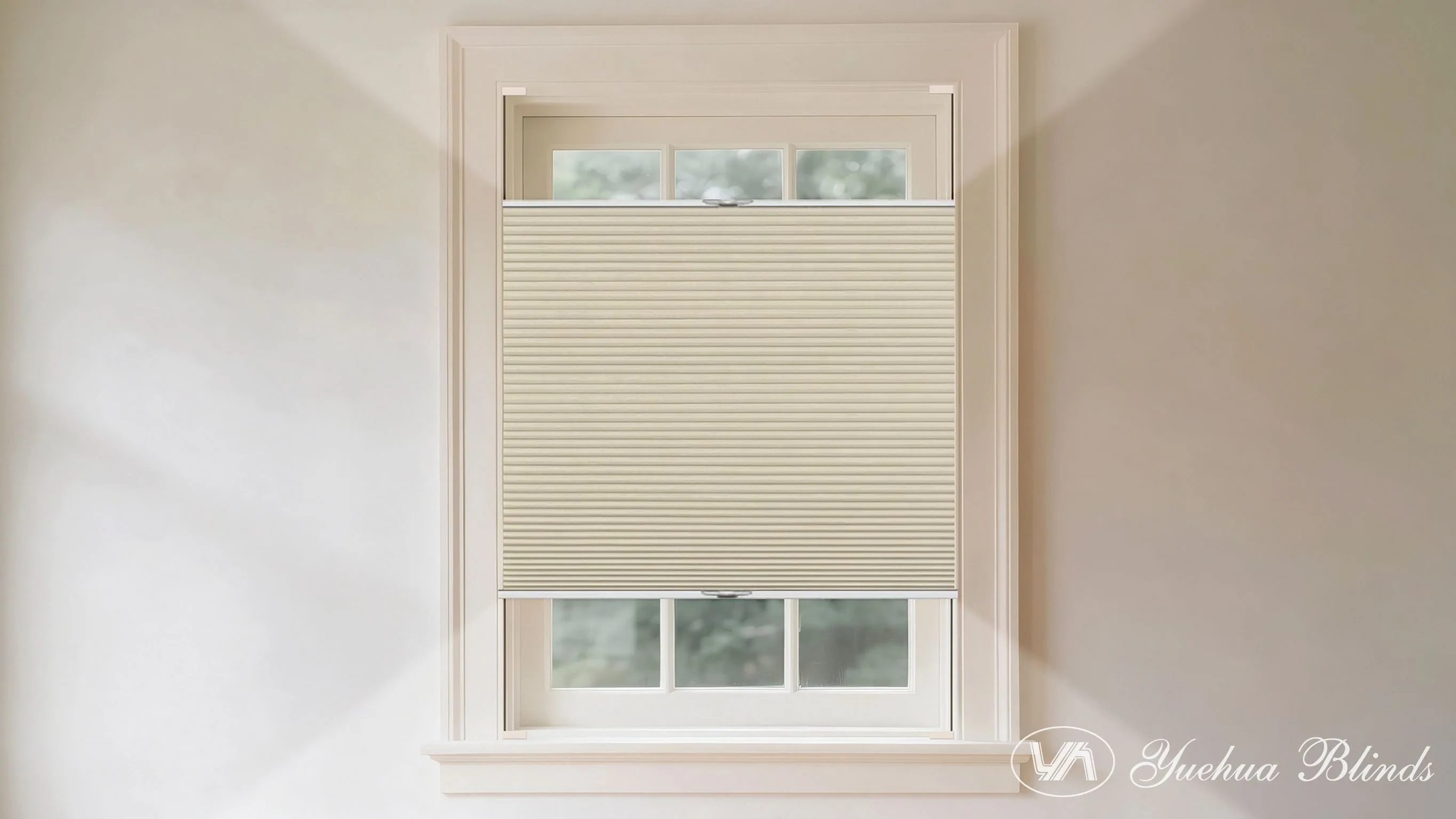
A collection is an order magnet. Retailers order from distributors who can cover several needs in one go. A collection, such as roller, zebra and honeycomb shades in matching colors, turns one order into a whole shelf section. In practice, collections also simplify your stock planning: the same fabric family and the same control method across three product types reduce the SKU count a distributor must hold. Distributors who sell collections reorder more often per account than those who sell single items, because the retail shop restocks the whole bay, not one product. Keep the collection small at first, with one color family and two drop lengths per type, then widen it on the reorder.
4. Keep the fast movers in stock
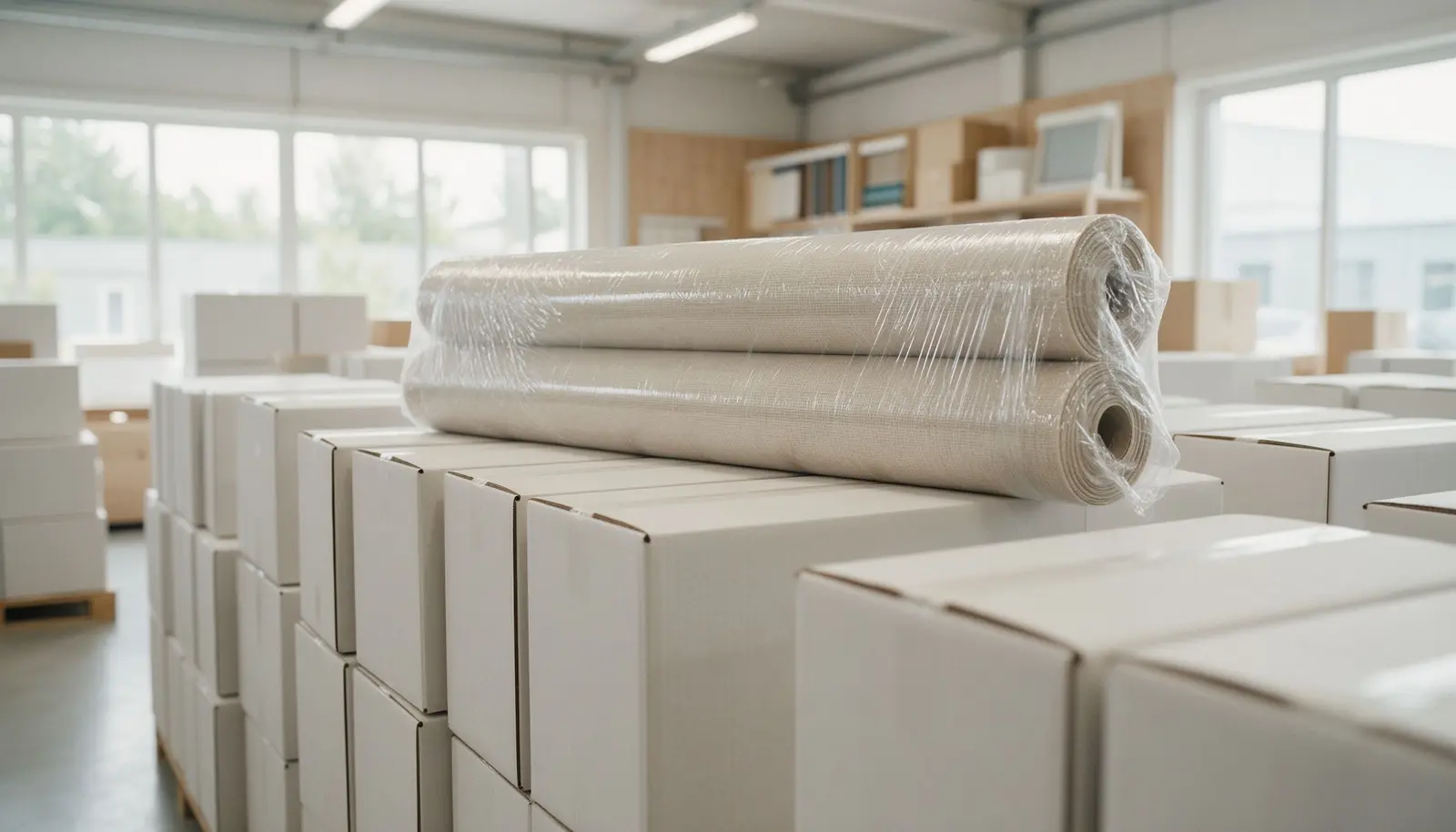
In this category, what sells is usually standard sizes in proven colors. Distributors who keep those on hand can supply their retail customers quickly and reorder in small quantities. Fast availability is a real edge over slower competition, and it decides which distributor a shop calls first. For example, a shop that sells out a fast color can restock in days when the distributor holds stock, instead of waiting for a new container. In practice, hold two colors per fabric family and reorder on a fixed schedule. The standard MOQ applies per fabric pattern, and stock lines can be reordered in smaller quantities than custom programs, which is what makes fast movers viable. Protect your stock list; it is the shelf space you keep.
5. Test small before you go deep
A small first order is the cheapest way to learn the market. Start with a small order covering your core items, see what actually moves, then scale up. The importers who win in blinds rarely go deep on day one. In practice, a first container with one proven fabric family, standard sizes and a limited color list gives you data on what the market buys, while a deep first order ties capital to guesses. Production runs 40-50 days from deposit to ex-factory and door-to-door totals 75-100 days, so a small first order also shortens the learning loop. For example, test a new color on one size across your retail accounts before committing it to a whole container.
Deciding between product types? TheRoller vs zebra comparisonHelps. For a concrete example of a market-specific range, theGuide to the US market and theCentral America market guideShow how the same logic lands in two different regions.