

What Window Blinds Sell Best in the United States? Notes for Importers and Wholesalers
The short answer to "what's moving in the US" is honeycomb, zebra, and cordless roller. The US window covering market was roughly USD 3.91 billion in 2025, about a quarter of the global total, and blinds carry more than half of the global blinds-and-shades revenue. A honeycomb shade is a shade with a cell structure that traps air, and it leads US reorder data in both new construction and retrofits. For example, cordless blackout in the double-cell format and the plain bedroom spec are the two honeycomb SKUs that keep returning. In practice, the mix matters more than the total: growth is steady, and what shifts is which type takes the reorders. First, the three types below explain the demand, then the compliance rule shapes what you can actually stock.
Where the demand sits
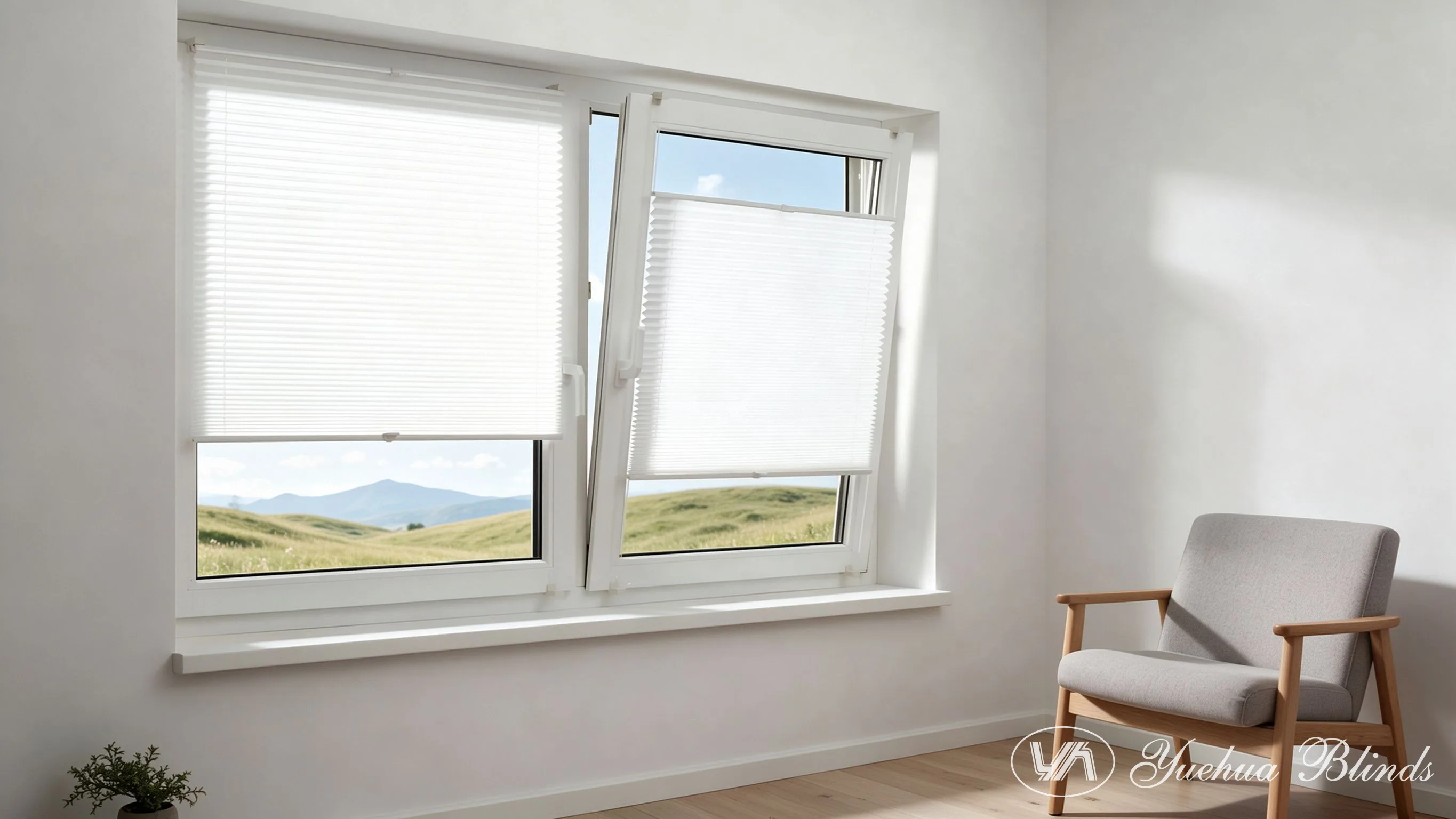
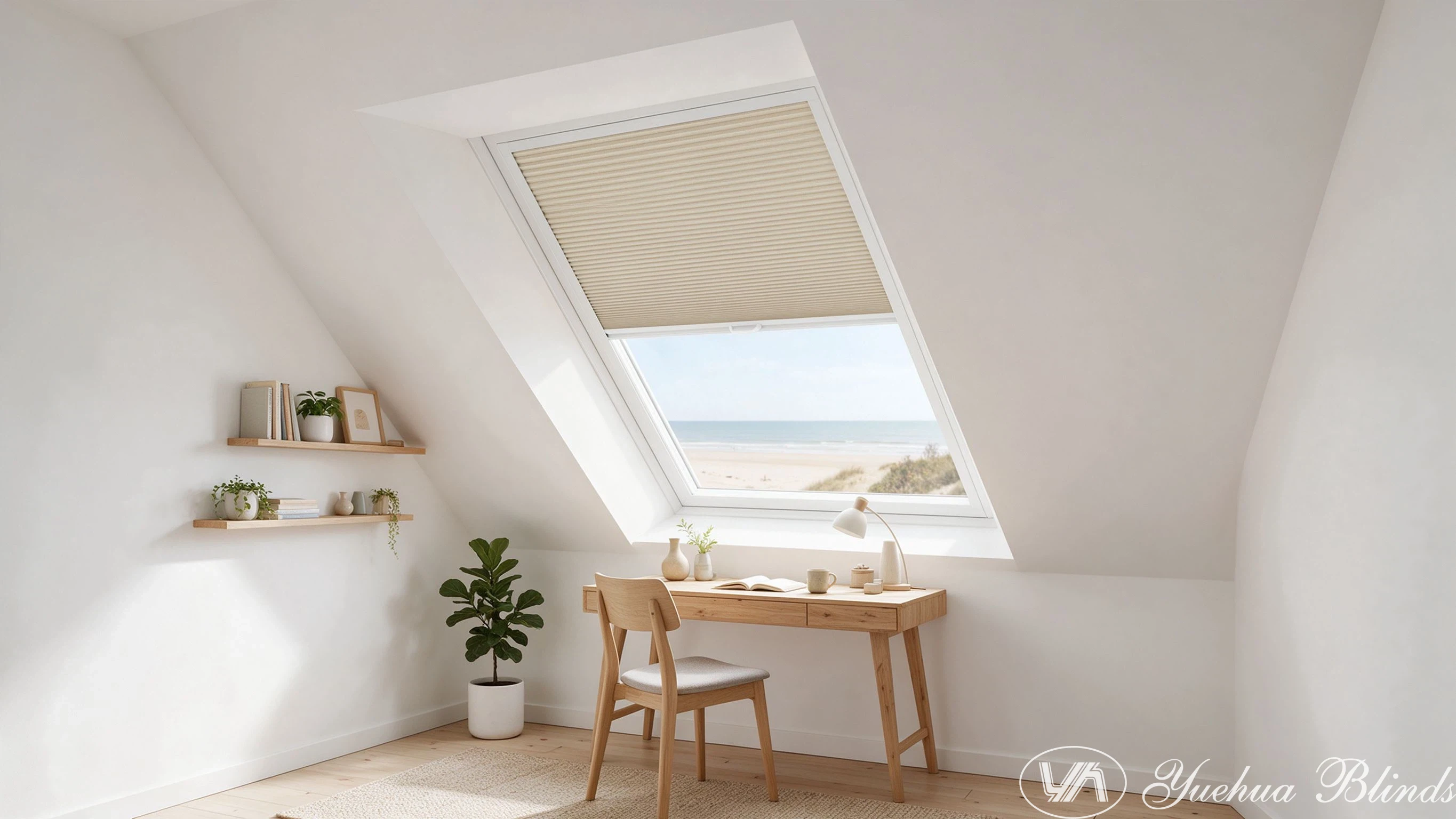
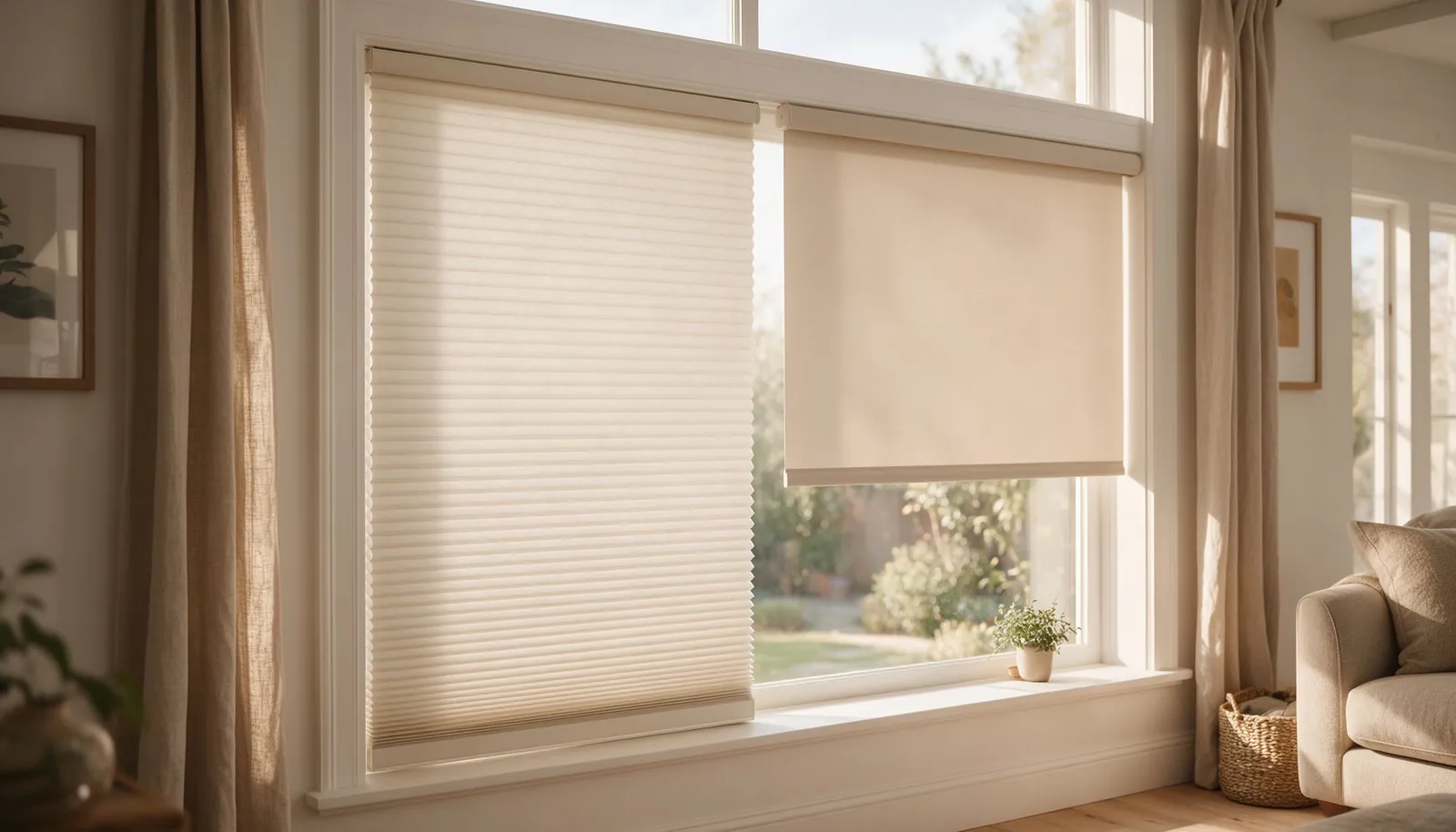
Cellular shades are the best-selling type in the US, first in new construction and first in retrofits. The reason holds up: the cells trap air, so rooms run cooler in summer and warmer in winter, and the energy bill shows it. Within honeycomb, the reorder data points to cordless blackout. For example, the double-cell format, such as the Cell in Cell Cordless Honeycomb Shade, and the plain bedroom spec, such as the Cordless Blackout Honeycomb Shade, are the two that keep coming back. In practice, importers keep these two SKUs in stock first and add light-filtering or top-down-bottom-up only after the core sells. Cordless blackout carries the honeycomb reorders in both new construction and retrofit channels. First, stock the two cordless blackout formats before adding any other honeycomb feature.
Zebra blinds move up from rollers
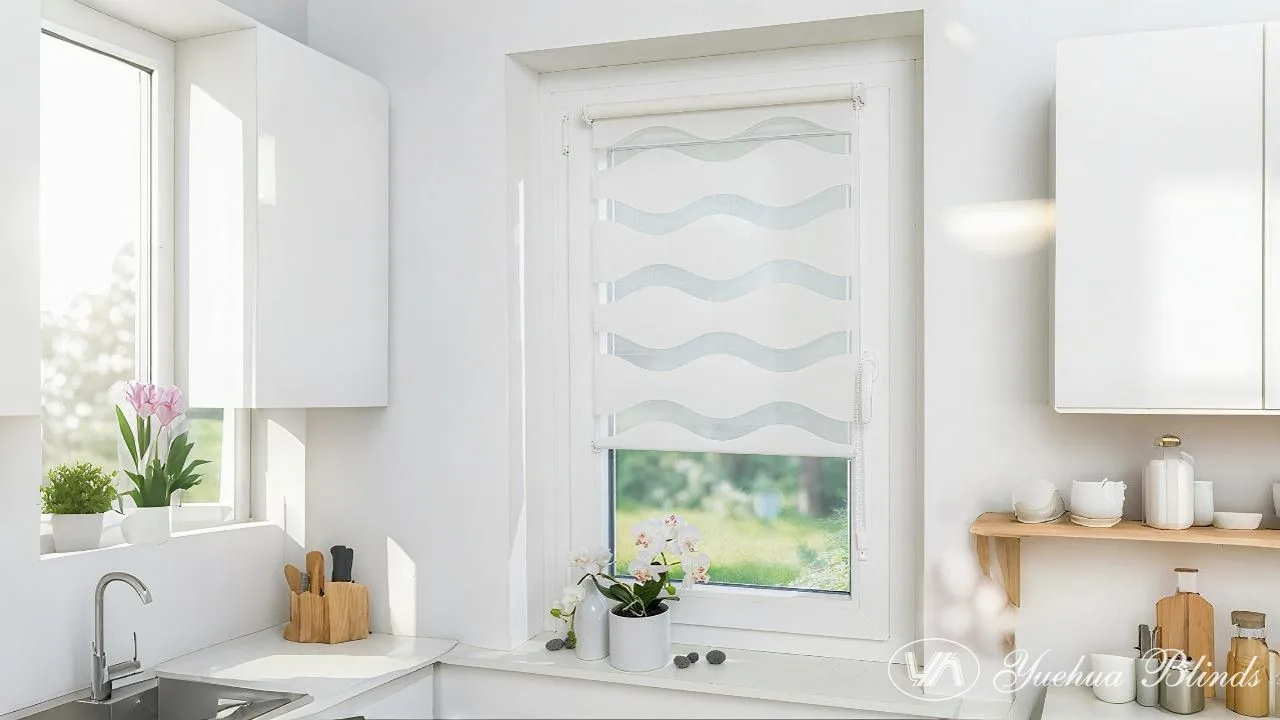
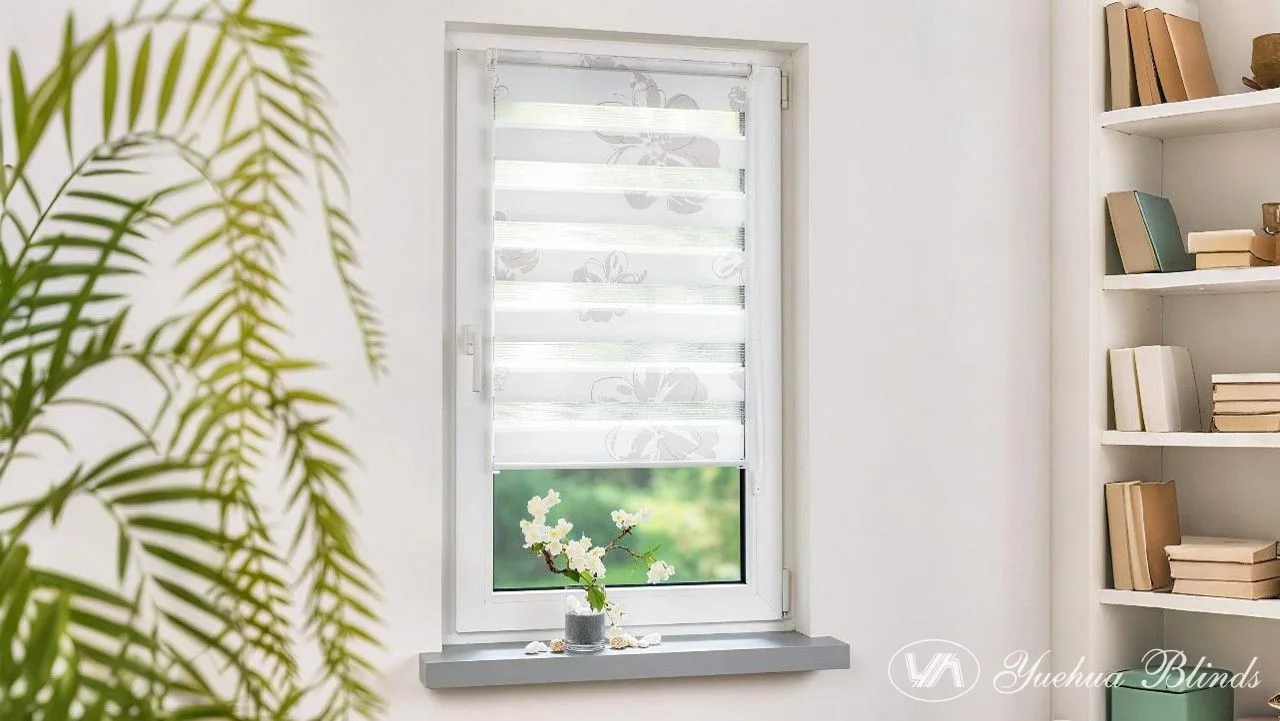
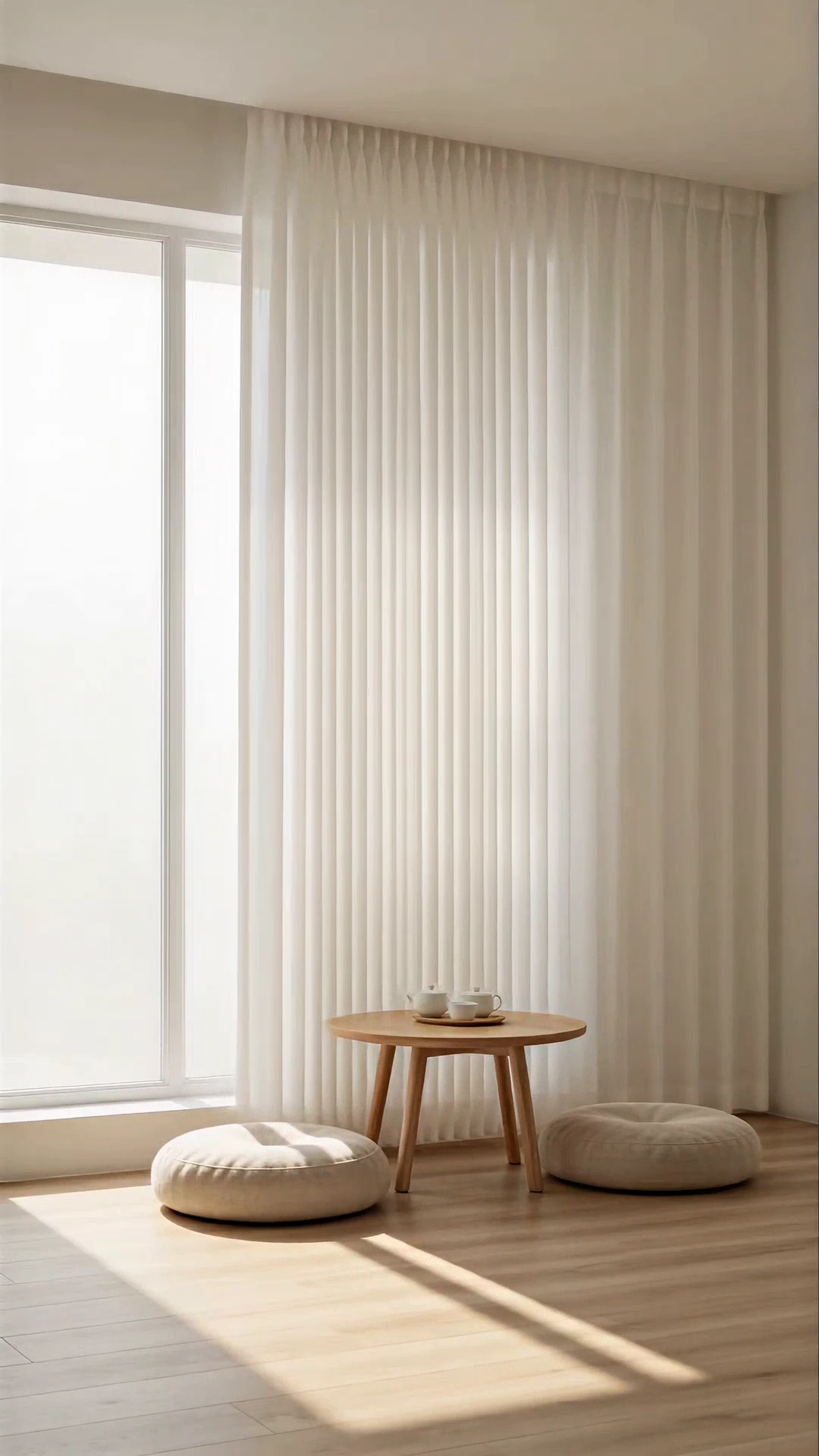
Zebra blinds sell on a sentence: two layers, sheer and solid, one pull switches them. A zebra blind is a roller blind with alternating sheer and solid fabric strips, and buyers come up from plain rollers, so it is a margin story rather than a price story. US buyers ask for cordless with a cassette. For example, the Cordless Zebra Blinds with Compact Cassette and the Cordless Fine Mesh Zebra Blinds with Square CassetteCover the two dominant housing formats. In practice, the fine mesh version is the faster reorder in coastal and high-glare areas. First, treat zebra as an upgrade line, not a discount line: the price gap to plain rollers is the margin, and the cordless cassette spec is what US shelves expect.
Roller blinds carry the volume
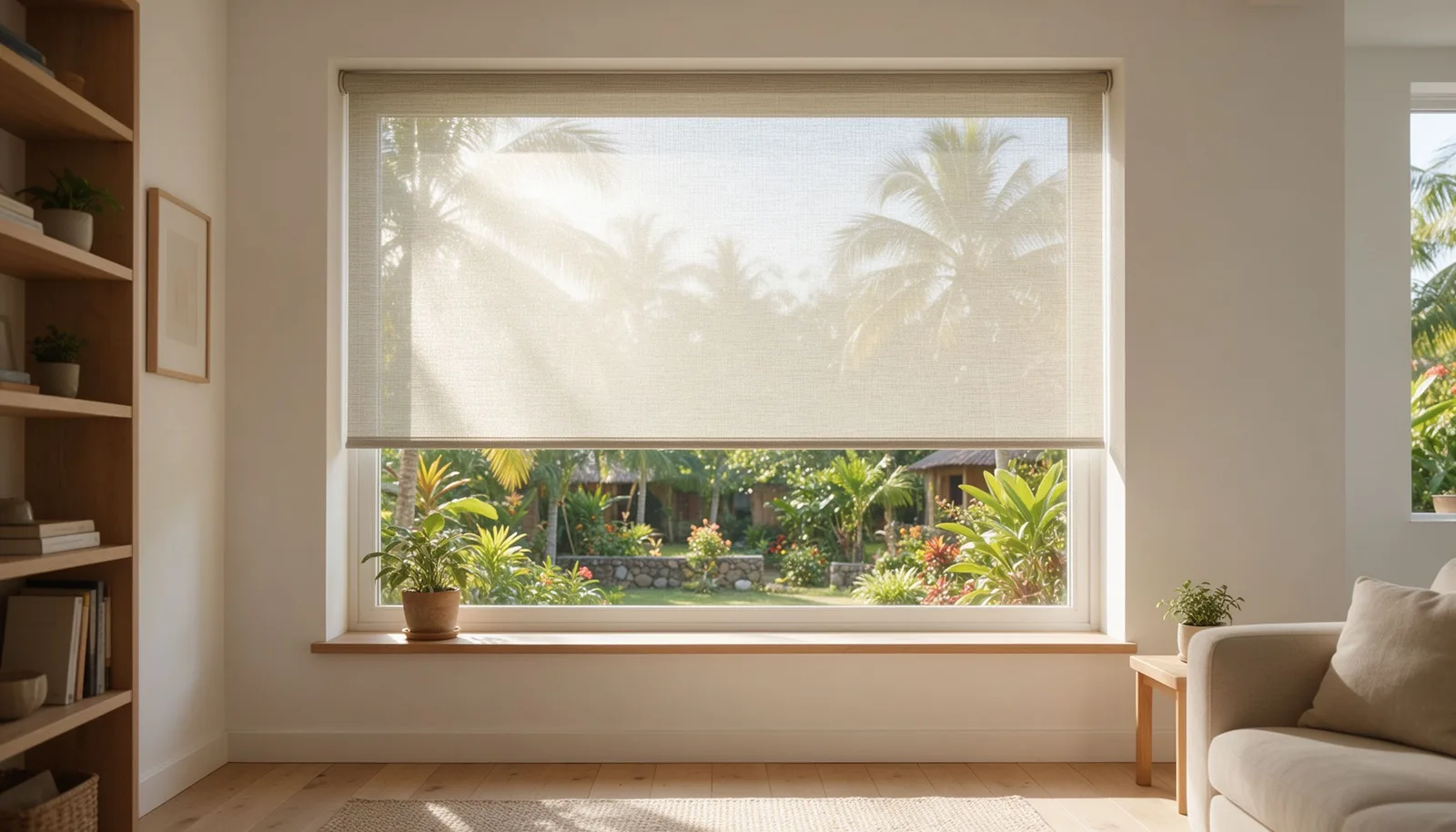
Roller blinds carry the volume, and the recurring US stock spec is cordless, blackout, square cassette. For example, the Cordless Blackout Roller Blind with Square CassetteMatches that shelf spec, and the Compact Cassette Blackout Roller Blind covers the compact format. Roller blinds also carry the bulk of the cordless conversion, because the cordless mechanism is now the entry requirement rather than a premium option. The trap in this category is labeling: semi-sheer and blackout are two different SKUs on a store shelf, end buyers mix them up often, and the retailer takes the returns. Keep the two clearly separated on your spec sheets and cartons. In practice, the cassette covers the roll and ships with cordless and a wand combined, which is why cassette housings dominate US reorders. Label discipline prevents the returns that eat the margin. First, separate the two labels before production.
The compliance rule that shapes stock
Since June 1, 2024, window coverings sold in the US must meet ANSI/WCMA A100.1-2022. In practice, cordless is the default for stock products; it stopped being a feature and became the entry requirement. Where a cord stays, it has to be unreachable — via a rigid cord shroud, a retraction device, or a loop-restraining device, each passing load and torque tests. The operating interface can be a wand or a ring-and-pole, not a cord that can form a loop. For example, Amazon enforces this at listing level, so non-compliant corded products simply do not get on the platform. According to the ANSI/WCMA A100.1-2022 standard, the load and torque tests apply to every corded format sold into the US. First, if you keep ball-chain or pull-cord lines, build them to one of those compliant formats.
Colors, housings, motorized
Color demand moved away from bright white and cool grey. Cream, oatmeal, sand, taupe, greige (a grey-beige blend), clay, sage — warm neutrals carry the reorders, and greige is growing fastest. Stock the neutral set across the range, keep one or two dark accents, and let the neutrals do the volume. Motorized is moving from premium to expected in some segments, mainly hard-to-reach windows and cellular. In practice, it is worth one test line rather than a full bet, for example the Motorized Blackout Roller BlindOr the battery-run Motorized Dream Blinds (Li-ion), which needs no wiring. The compact cassette format usually ships with cordless and a wand combined, and it stays the dominant housing in US reorders. First, run one motorized line, and let the neutral palette carry the volume.
A practical first container
The low-risk core for a first US container: cordless blackout honeycomb, cordless zebra with cassette, cordless blackout roller. Around that, warm neutrals, one motorized line, and clear semi-blackout/blackout labels. That core sits inside the safety standard and matches what US consumers buy. In practice, reorder data is a better guide than any report — it tells you within a season what to add and what to drop. Compliance shapes what you can actually stock; the US compliance guide covers the rules that apply to every order. First, the cordless spec is the entry requirement, and the warm-neutral palette is the demand pattern, so the two together define the low-risk opening order. The first container works best when it matches the safety standard and the reorder pattern at the same time.