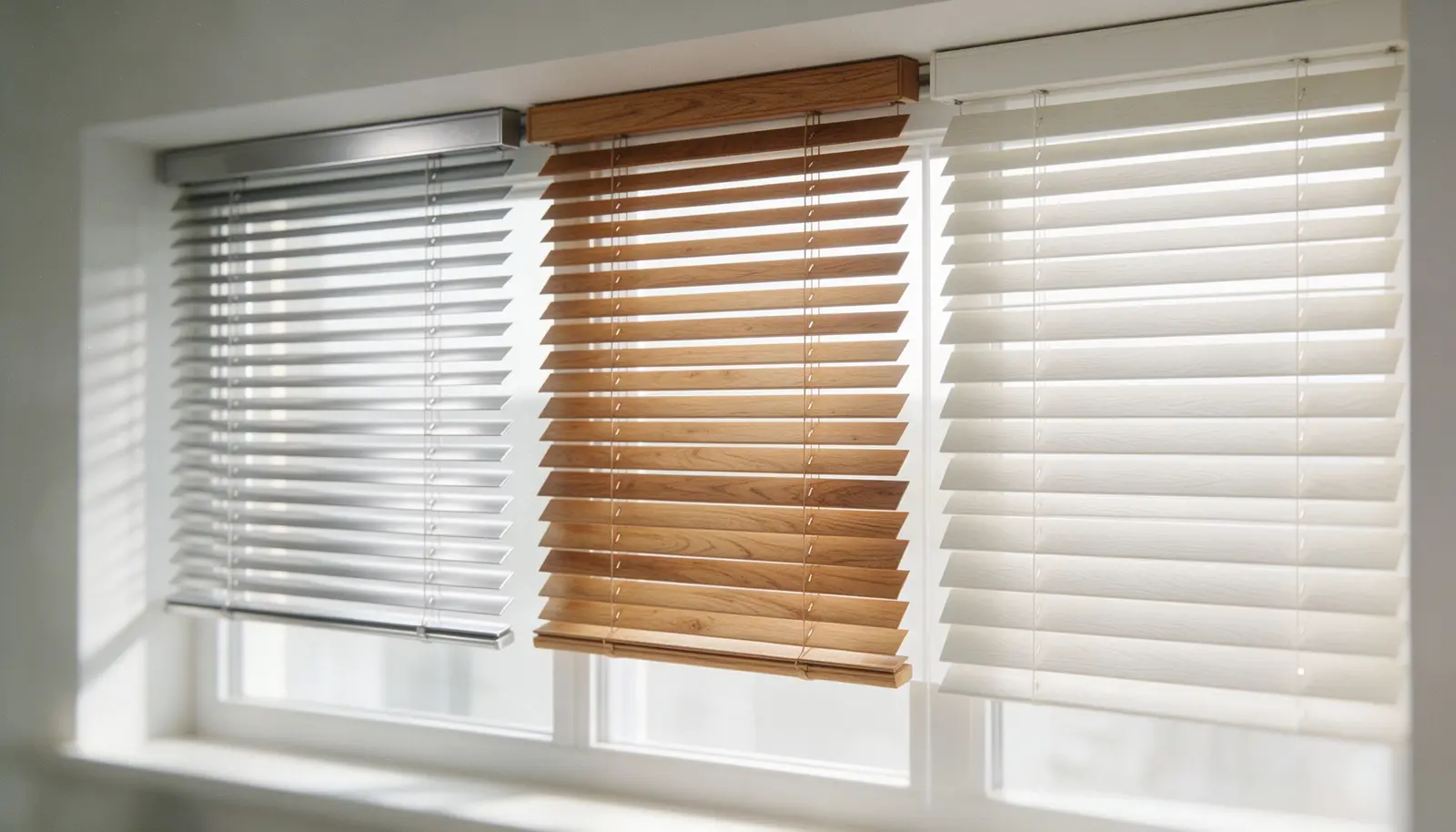


Zebra vs Roller vs Honeycomb: A Comparison Guide

Zebra blinds, roller blinds, and honeycomb shades cover most of what a residential blinds range needs, and importers constantly ask which ones to stock. The short answer is a practical one: they solve different problems, and a good range usually carries all three. Here is how they compare on structure, light control, and how they sell.
1. Roller blinds: the volume workhorse
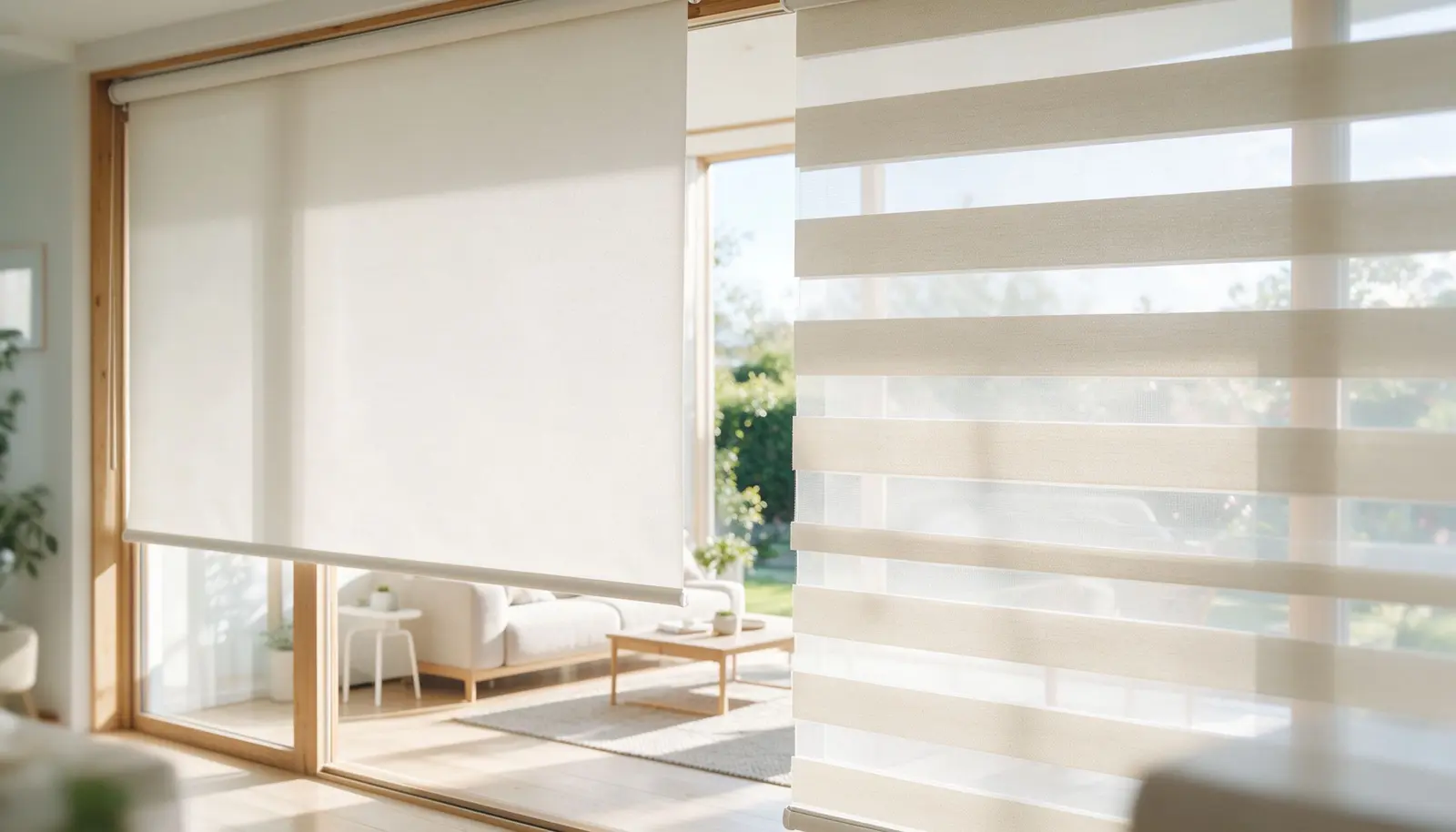
A roller blind is a single piece of fabric that rolls up and down, and it is the default choice for offices, kitchens and price-sensitive buyers. The mechanism is simple and durable, installation is fast, and blackout fabric options make the line work in bedrooms as well. Low unit cost and a simple mechanism make Roller blinds the easiest product to stock in volume.
First, the roller sells on price and speed: a 1000-piece MOQ per pattern without color matching, a 40-50 day lead time, and 4-6 pieces per 5-layer carton. Second, the fabric family decides the ceiling: blackout, sunscreen, linen-look and printed options cover most residential demand. For example, a kitchen buyer takes a sunscreen roller, while a bedroom buyer takes blackout - the same rail, different fabric. In practice, rollers remain the volume workhorse because the mechanism is proven and the stock rules are simple.
2. Zebra blinds: the visible upgrade
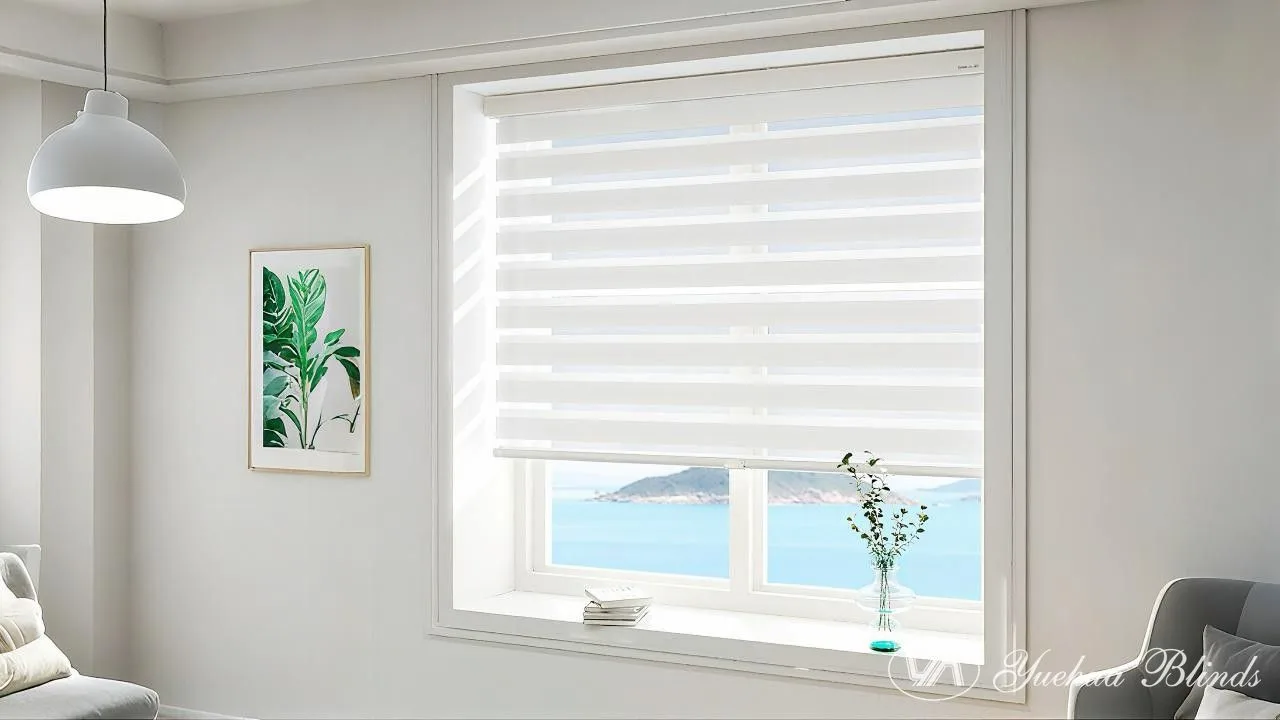
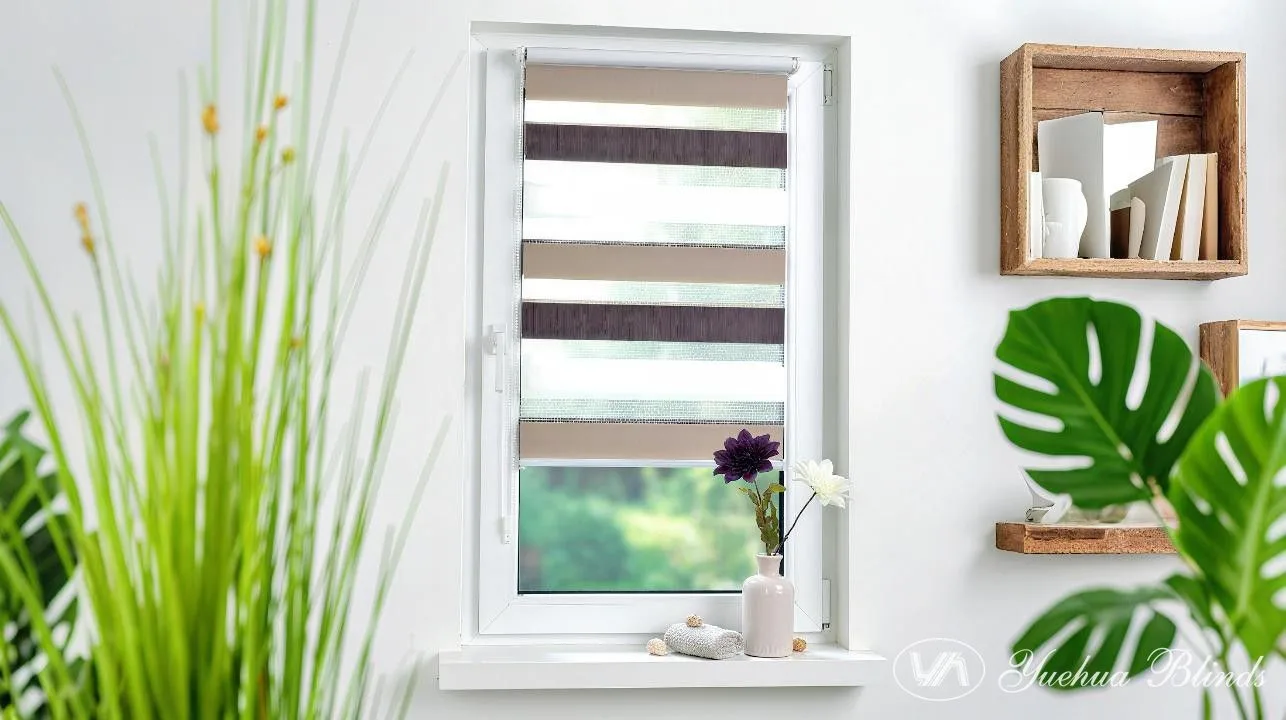
A zebra blind is a two-mode shade that alternates sheer and solid stripes on one product. First, pull one way for filtered light; second, pull the other for full privacy. Buyers read the zebra as a clear step up from a plain roller - the look is smarter and the light control is visibly better - which makes the line a strong upsell at the point of sale.
One structural point matters when stocking: the same zebra fabric can be built on different rails. A Standard rail line covers the value segment, while a Compact cassette version looks cleaner and more premium, and most customers treat the cassette line as a genuine upgrade rather than a cheaper substitute. For example, retail buyers typically display the cassette line and sell the standard line as the entry option. In practice, zebra follows the same MOQ and lead time rules as roller - 1000 pieces per pattern, 40-50 days - so adding the line creates no separate stock rules.
3. Honeycomb shades: the comfort specialist
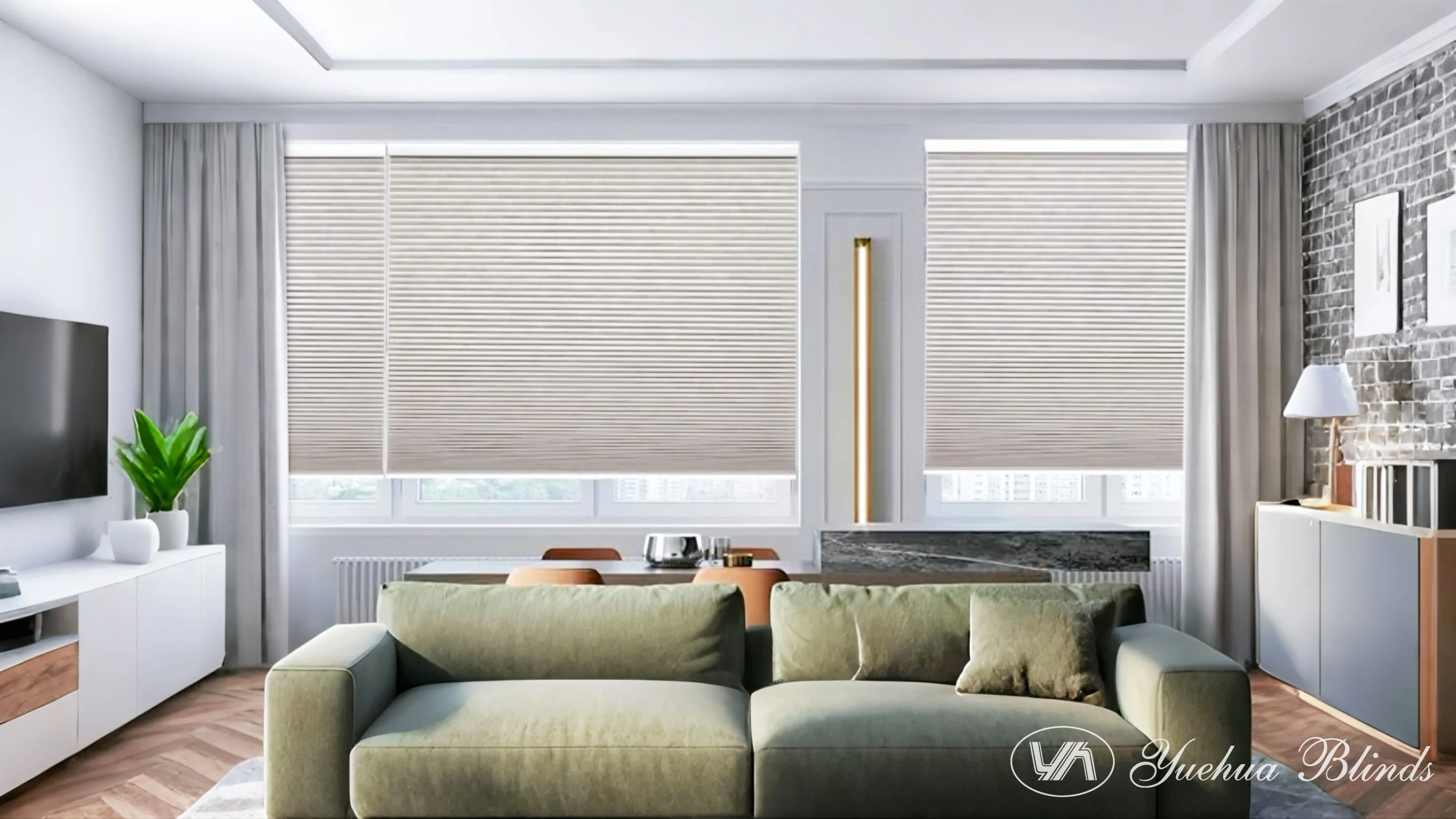
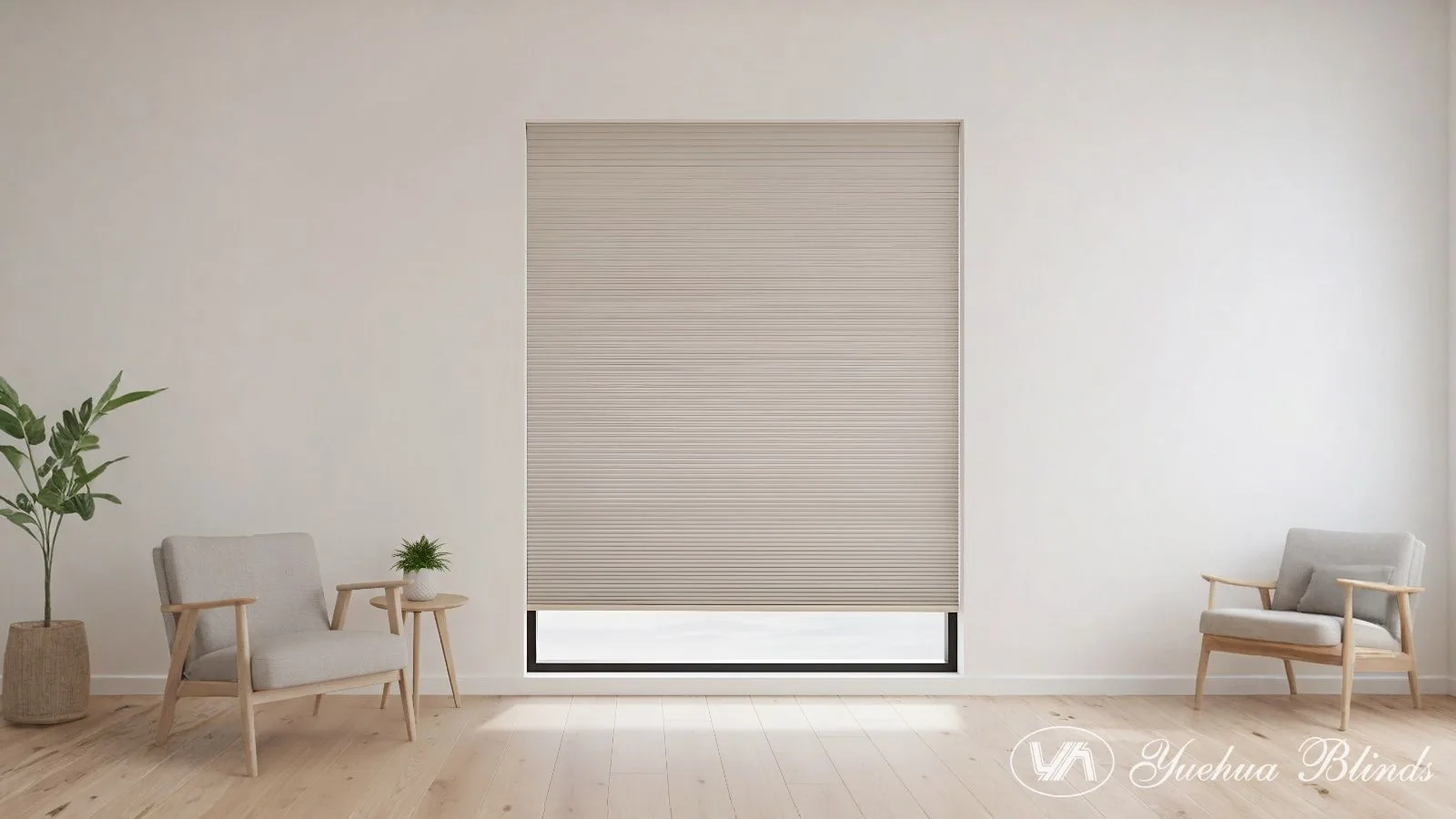
Honeycomb shades trap air in their cells, adding insulation right at the window, and they lead in cold climates and in rooms where temperature matters. The construction also gives a softer, fabric-forward look that suits living spaces, which is why honeycomb earns its place through comfort rather than price.
First, match the cell structure to the climate: single-cell lines cover mild markets, double-cell builds add insulation for cold regions. Second, decide the operation: cordless versions answer cord-safety markets, where EN 13120 in the EU and CPSC 16 CFR 1260 in the US apply. For example, a bedroom buyer in a cold region chooses a double-cell blackout honeycomb, and the comfort story closes the sale at a higher price point. In practice, honeycomb is the smallest-volume line in most ranges but the one with the clearest premium story.
4. How to balance the range
A workable formula for most markets is a three-layer range: roller as the volume base, zebra as the mid-tier upsell, honeycomb as the premium option. The shared sourcing rules - the same 1000-piece MOQ per pattern without color matching, the same 2500-piece MOQ with matching, the same 40-50 day lead time - make the three lines practical to carry together.
First, adjust the mix by climate: sunny markets lean toward blackout rollers and zebra, cold markets lean toward honeycomb. Second, adjust by channel: wholesalers buy on price and volume, retail buyers buy on display value, and the zebra line gives the salesperson a story to tell. For example, a mixed container can test all three lines at once, and the reorder pattern then tells you which line to scale next. In practice, the range balance is a market call, not a supplier call.
5. What to check when buying
The buying check runs within each family, not across families: fabric weight and opacity, rail material (aluminum versus steel), and finish quality. Small differences in these three areas decide how the product feels and how long it lasts, and they are exactly where cheap copies cut corners.
First, check the fabric: 100% polyester is the standard basis, and weight and opacity should be written into the spec sheet, not left to the sample. Second, check the rail: aluminum beats steel on weight and corrosion, and the difference shows in operation smoothness. For example, a roller with a thin steel rail feels different after six months of daily use than one with an aluminum rail. In practice, the QC pass should cover fabric weight, opacity and rail profile before the order ships. Two of these categories get a closer look elsewhere: the Roller vs zebra comparison and the Honeycomb energy efficiency guide go into more detail.