

Aluminum vs Real Wood vs Faux Wood Venetian Blinds: A Quick Comparison
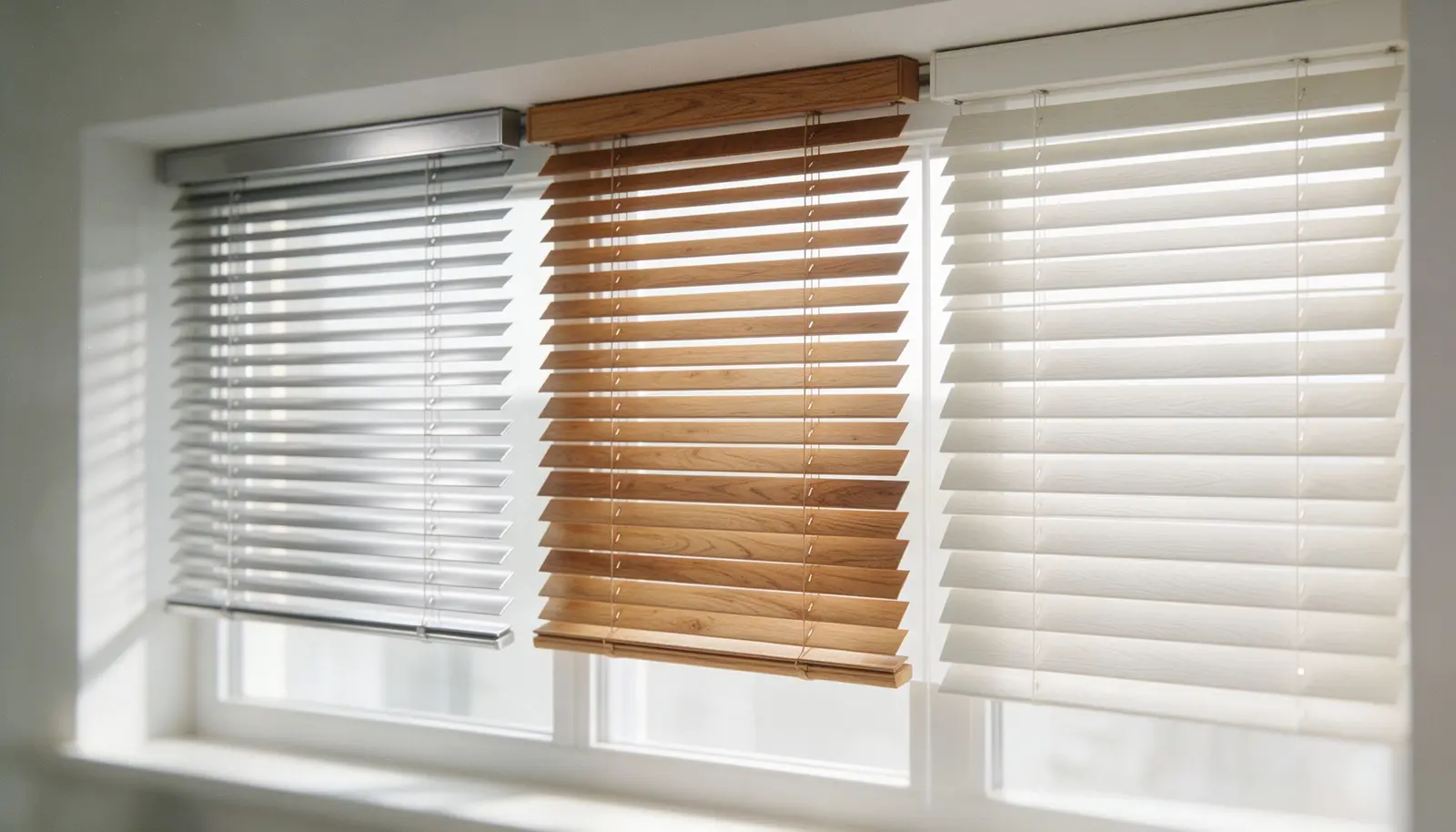
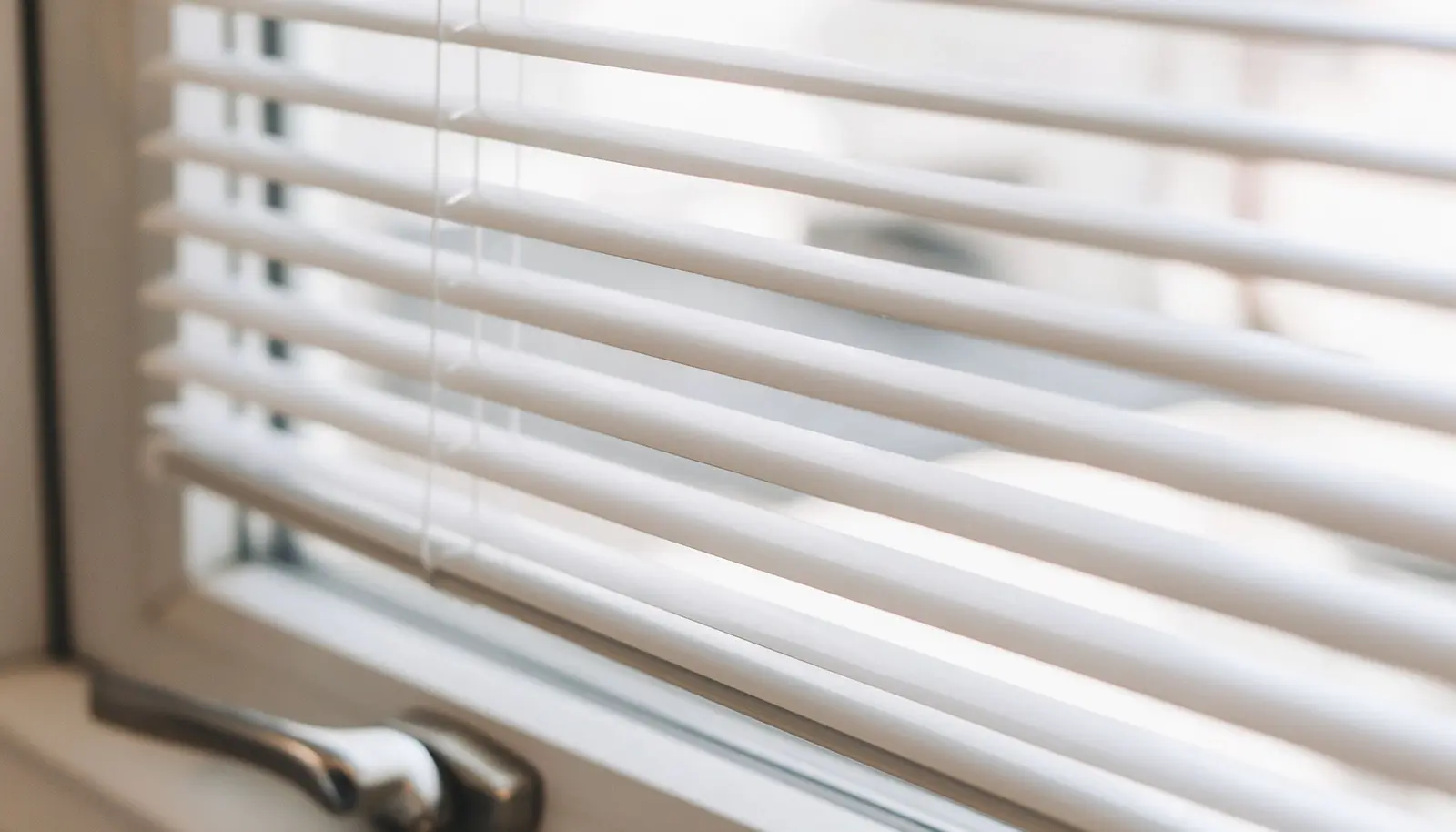
The three venetian materials share one production floor and one sourcing schedule - aluminum, real wood, and faux wood all run at the same MOQ and lead time. The choice between them is a market and application call, not a factory call. Aluminum is the budget commercial workhorse, real wood is the premium margin line, and faux wood is the fast-growing middle that looks like wood but handles moisture. Below is the side-by-side.
Key takeaways
- Aluminum wins on price, moisture resistance, fire code, and container efficiency; real wood wins on premium margin; faux wood wins on the wood look in bathrooms, kitchens, and rental stock.
- Real wood is the only one that needs fumigation and commodity inspection before export, and the only one with a moisture-content risk that must be controlled to avoid warping.
- Faux wood's hidden quality variable is PVC calcium carbonate: high filler is cheaper but turns brittle in the cold.
- All three source at 1000 pcs per pattern without color matching (2500 with) and a 40-50 day lead time.
At a glance
| Factor | Aluminum | Real Wood | Faux Wood |
|---|---|---|---|
| Price point | Budget to mid | Premium | Mid to budget |
| Moisture resistance | Excellent | Poor to moderate | Excellent |
| Insulation | Low | High | Moderate |
| Weight | Light | Heavy (basswood/poplar); very light (paulownia) | Moderate |
| Aesthetic | Modern, clean | Warm, natural grain | Wood-look embossed |
| Durability | Very high | Moderate (needs care) | High |
| Fire resistance | Excellent | Poor | Moderate |
| Export requirements | Standard | Fumigation + inspection mandatory | Standard |
| Key quality concern | Edge finishing, color consistency | Moisture content, wood origin, fumigation | Calcium carbonate ratio, UV resistance |
| Best for | Commercial, budget, humid climates | Premium residential, hospitality | Bathrooms, rental, high-traffic |
Which to choose
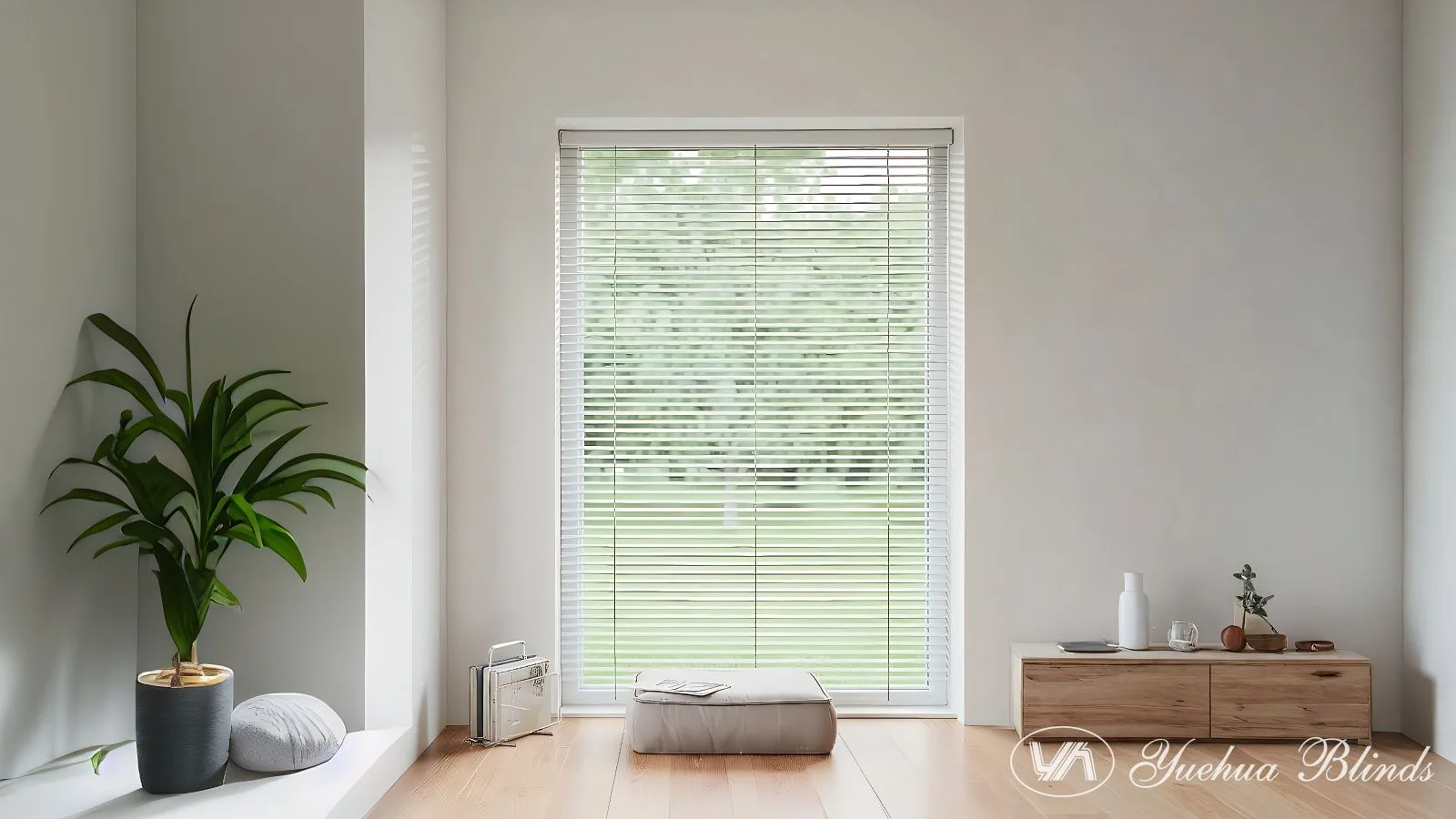
Choose aluminum (our YH771 C-shape, YH771L L-shape) when your market is cost-sensitive, the application is commercial or high-humidity, fire codes apply (schools, hospitals, public buildings), or you need the lowest price at volume with consistent batch color.
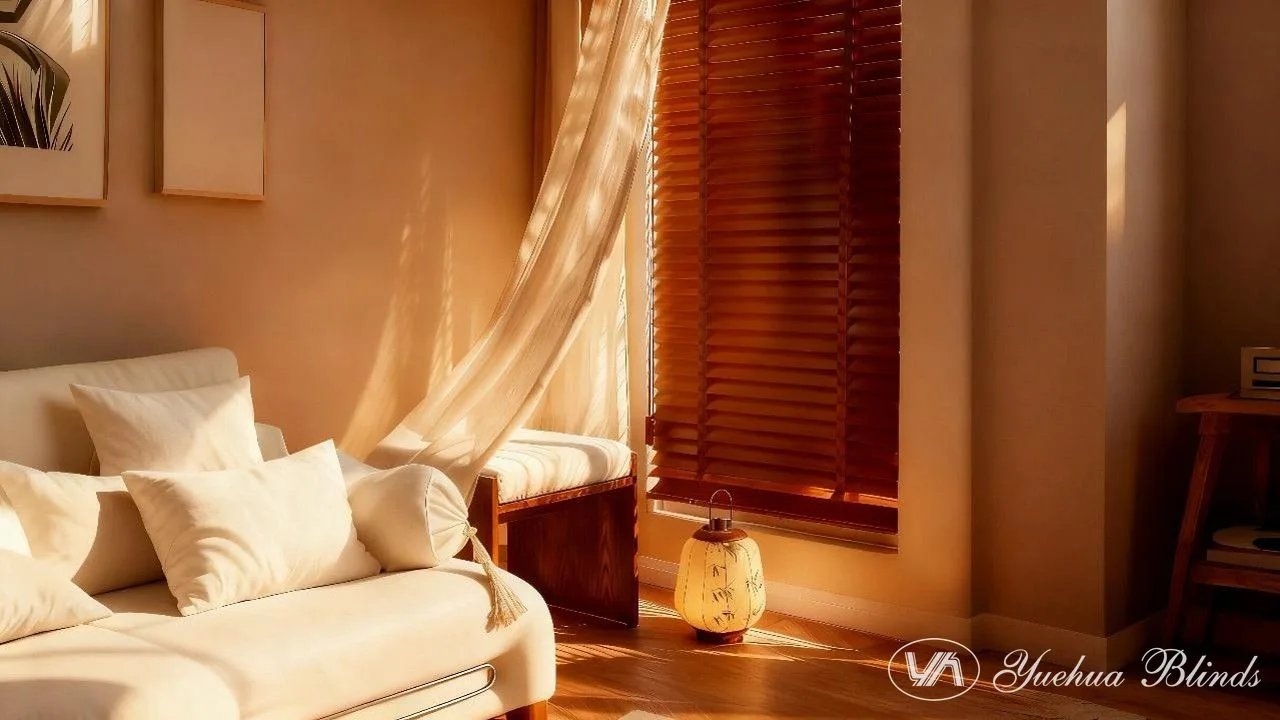
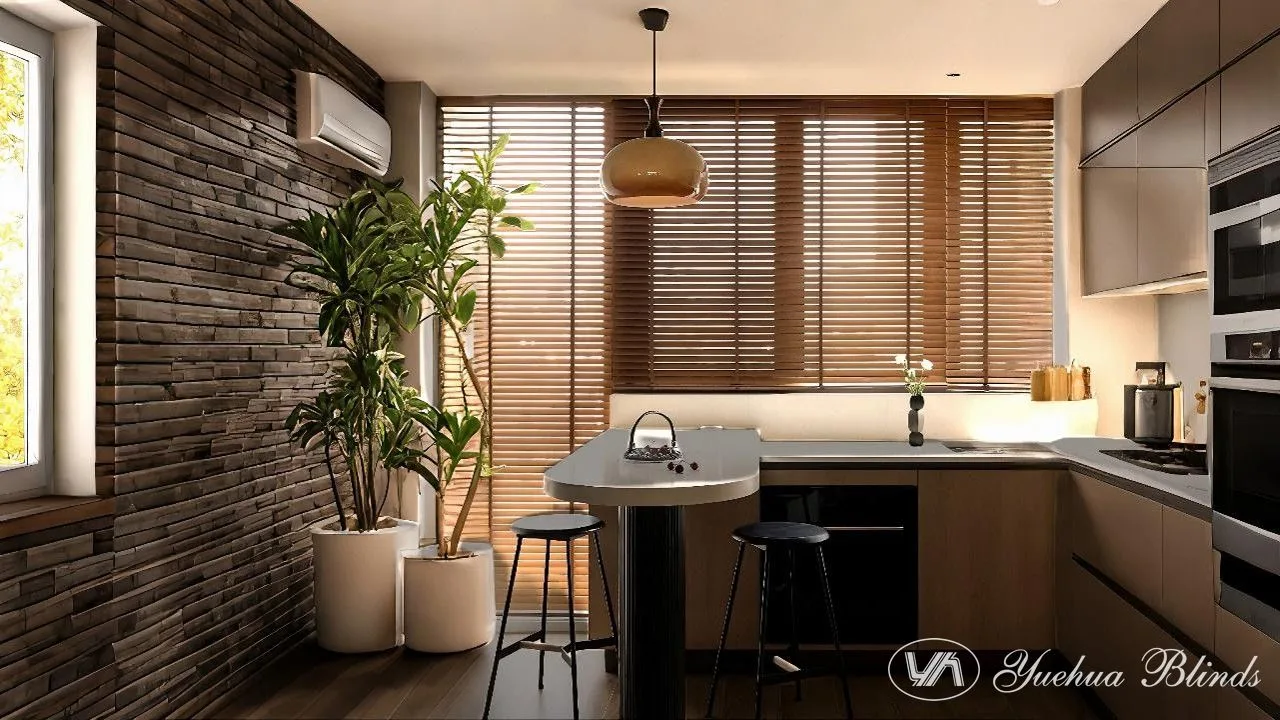
Choose real wood (our YH663 2", cordless YH336 1.5") when you sell premium residential or high-end hospitality, natural grain is the selling point, your customers ask about FSC, and you can manage the higher price and the fumigation/origin paperwork.
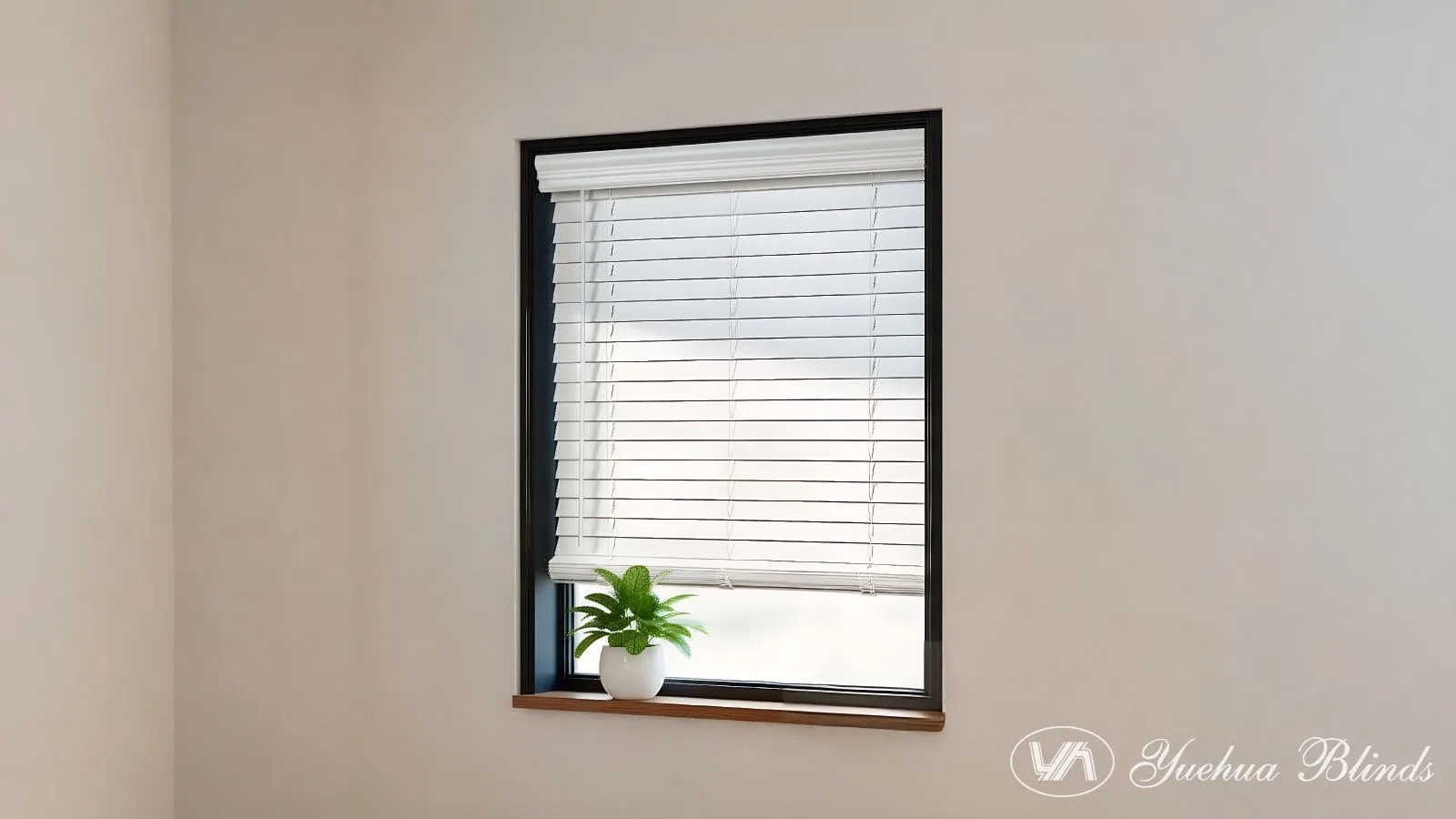
Choose faux wood (our YH762T 1.5", YH763T 2", cordless YH763CL) when you want the wood look without wood price or maintenance, the rooms are wet or high-traffic, or you want the fast-growing category - provided you can specify and verify the PVC calcium carbonate grade for your climate.
Building a portfolio
For most importers, a balanced mix covers the most market: aluminum as the volume driver and entry line, faux wood as the growth engine and mid-range mainstay, real wood as the premium margin and brand piece. The exact ratio follows your market - European buyers lean aluminum plus faux wood, North American buyers favor faux wood plus real wood, and South American buyers focus on aluminum with faux wood growing.
Bottom line
Start with the material your shelves actually need: aluminum for commercial and humid accounts, faux wood for rental and wet rooms, real wood for premium hospitality. The aluminum wholesale guide and the faux wood guide go deeper on each, and the wood venetian blinds page lists the real-wood range.