

How to Place a Bulk Order for Window Blinds: An Importer's Step-by-Step Guide
Placing a bulk blind order from a Chinese factory is not complicated, but it fails when buyers skip the sample and documentation steps. The sequence is fixed: send clear specs, approve physical samples, sign the Proforma Invoice, pay the deposit, inspect before packing, then pay the balance and collect the shipping documents. We have supplied window blinds since 1998 from a BSCI-audited factory, and the orders that go smoothly are the ones where the importer treated each step as a checkpoint rather than a formality.
Key takeaways
- Always approve physical fabric samples before production. Photos cannot match color or hand feel, and a refundable sample fee should be confirmed in writing.
- The deposit is normally 30% and the balance 70% before shipment; production starts only after the deposit is received.
- Build a 75-100 day buffer from deposit to goods in your warehouse. That is production plus ocean freight plus customs, not just the factory build time.
- MOQ applies per fabric pattern, not per total order, and carton dimensions must be confirmed before loading to plan container utilization.
Before you ask for a quote
Send the supplier a short spec list and the quote comes back faster and more accurately. You need:
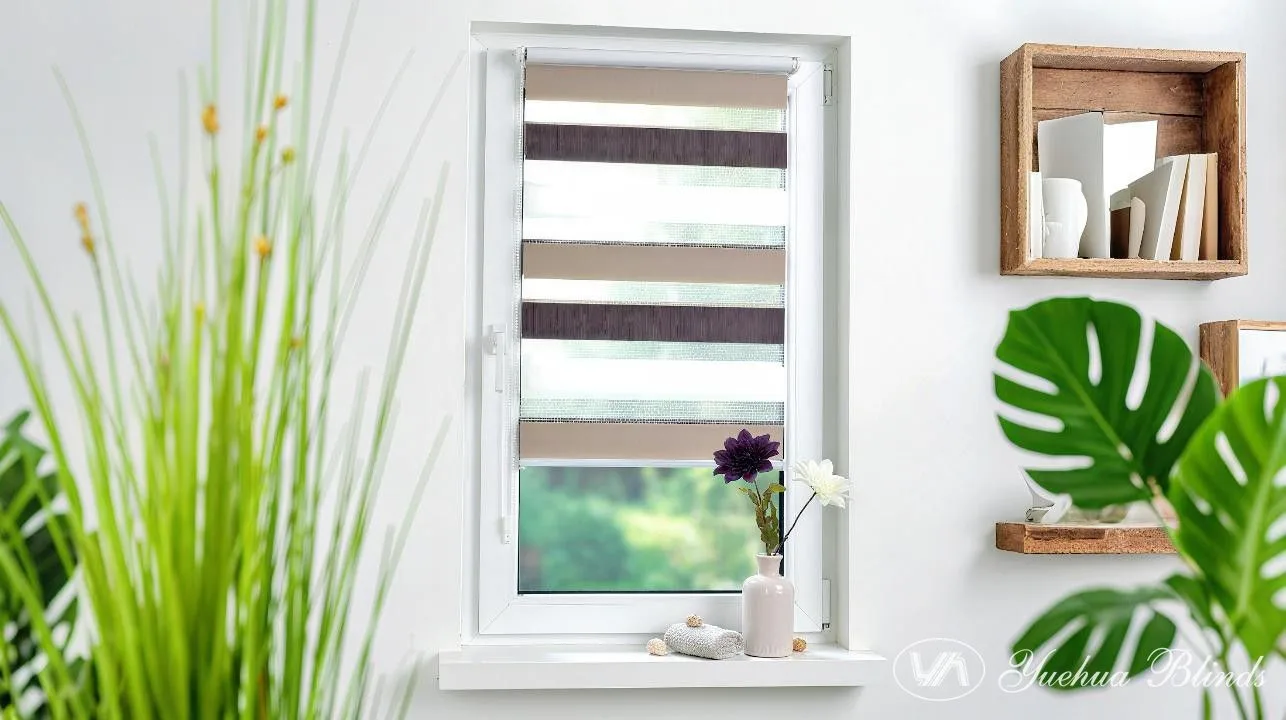
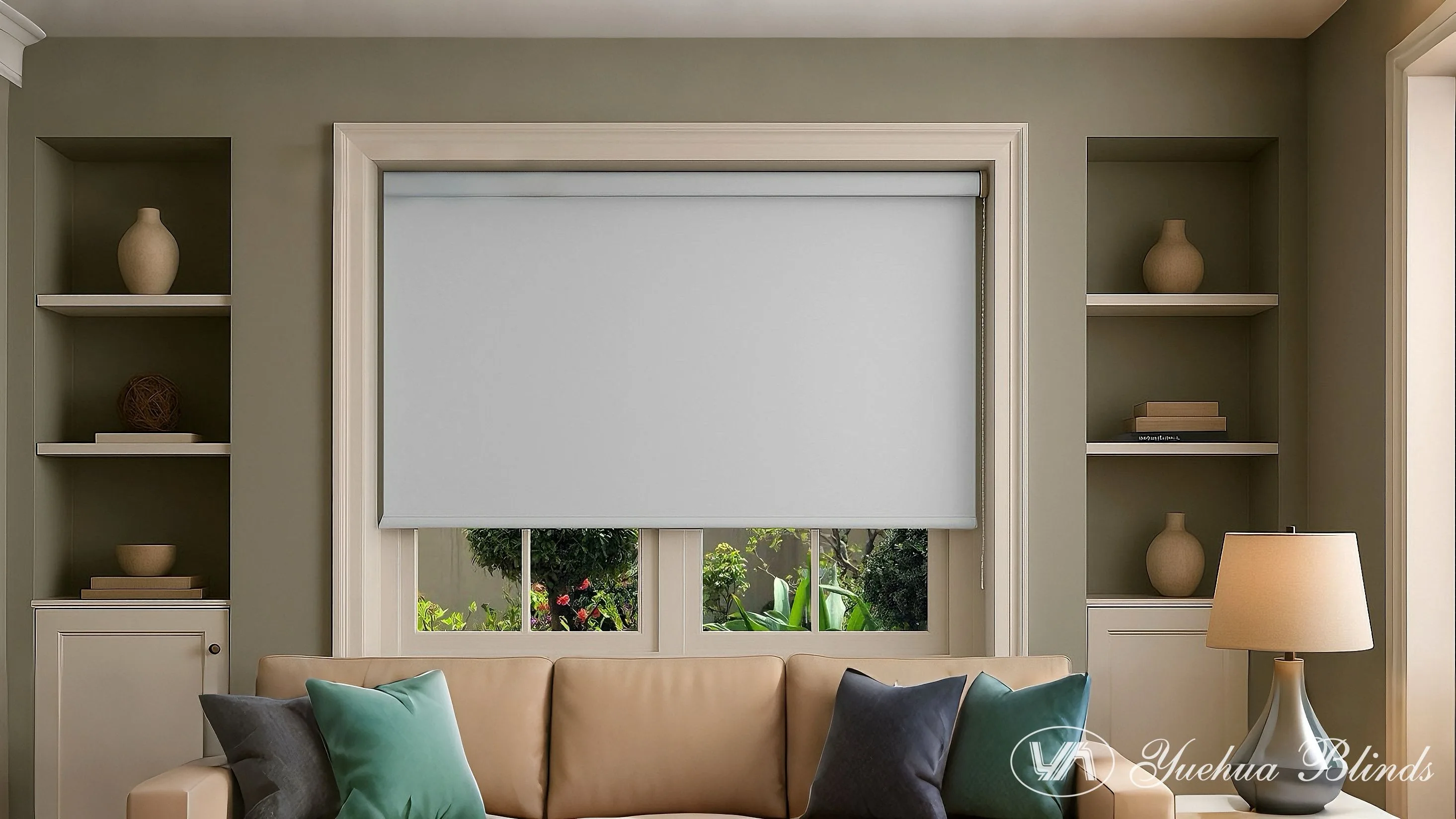
- Product type: roller, zebra, honeycomb, roman, pleated, venetian and so on.
- Quantity: total units and the breakdown by size or SKU.
- Fabric: blackout, light-filtering or sunscreen, plus color and pattern references.
- Control method: ball chain, cordless, motorized or crank.
- Destination port: only needed if the trade term is not FOB (for example CIF or DDP). Under FOB terms the buyer arranges shipping, and the supplier does not need the destination port to quote.
Samples and quotation: what to request
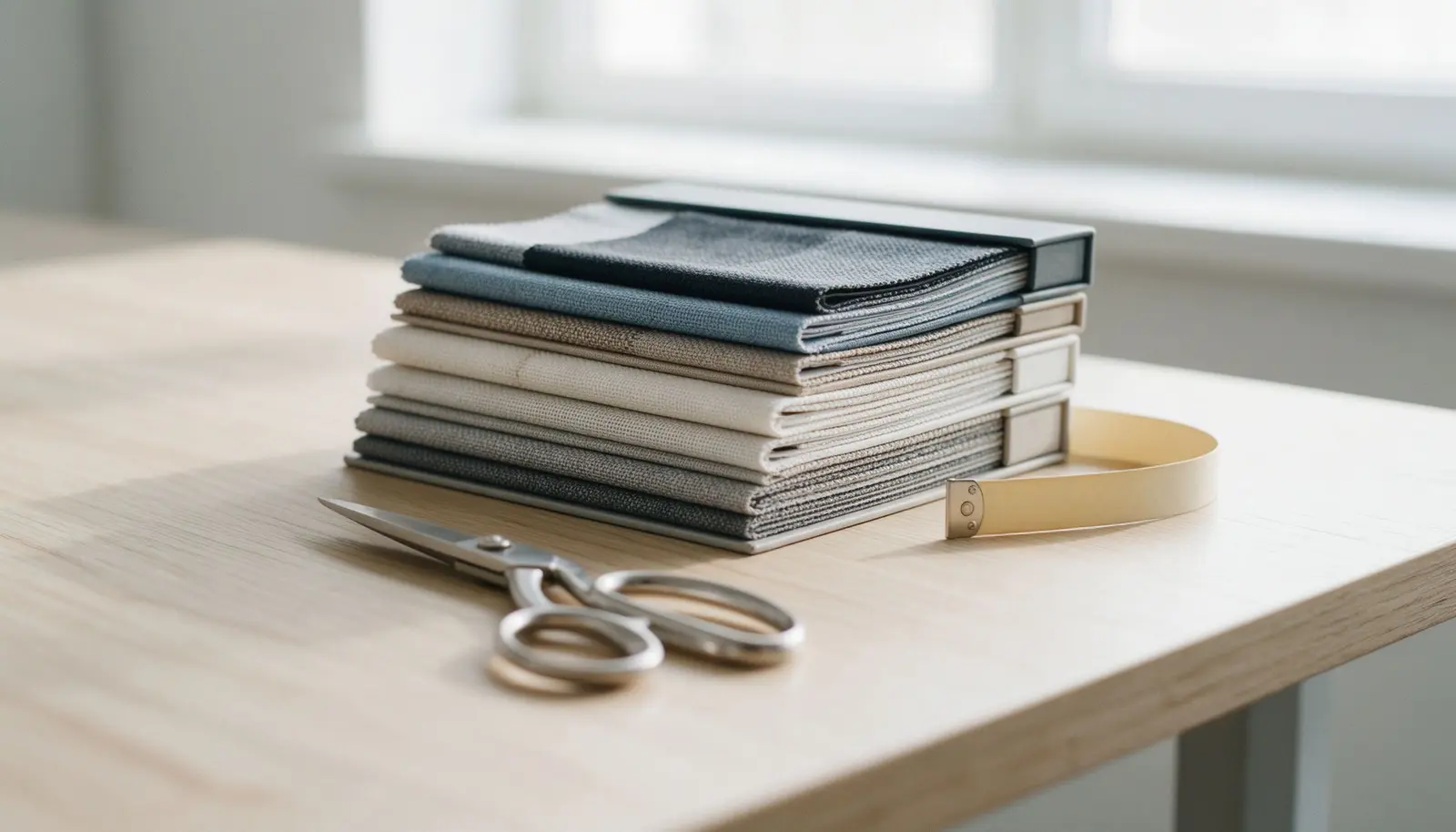
Ask for three things in the first round. A formal quotation with unit price, MOQ, lead time, packaging and payment terms. Physical fabric samples, because color and hand feel are never safe to judge from photos. And, where possible, one finished sample unit so you can check construction and components.
Custom samples usually carry a fee, which may be refunded against a bulk order. Confirm that refund in writing before you pay it.
The Proforma Invoice and deposit
Once samples and price are approved, the supplier issues a Proforma Invoice (PI). Check it line by line: product specifications and quantities, unit price and total, trade terms (for example FOB Shanghai), payment terms, and lead time. Then pay the deposit. Production typically starts only after the deposit lands.
Inspect before the goods are packed
During production the factory runs its own line. As a buyer, the standard and most cost-effective checkpoint is a pre-shipment inspection against the approved golden sample, covering color, dimensions, construction, function and packaging. For very large or custom-fabric orders you can also hire a third-party firm such as SGS or Intertek for an in-line check during production, but that adds fees and needs coordination with the factory.
Raise quality problems while production is still running. Fixing something on the line is cheap; fixing it after packing is not.
Packaging, cartons and loading
Packaging scales with product grade. PP bag is the common economy option, shrink wrap gives dust protection without individual boxing, a PET clear box keeps the product visible on a retail shelf, and a paper box suits premium or gift-grade goods, often with custom printing. Units then go into corrugated cartons and onto pallets or straight into the container.
Confirm carton dimensions and weight before shipping. That is what lets you calculate how many cartons actually fit.
Balance payment and shipping documents
Before the container sails, pay the balance (normally 70%). The supplier then releases documents. In most modern trade the Bill of Lading goes out by telex release, so you clear customs with a B/L copy rather than the original paper document. The original B/L still appears in some letter-of-credit deals or when the buyer specifically asks for it.
You also receive the Commercial Invoice, the Packing List, and a Certificate of Origin where customs or preferential tariffs require it. Keep them safe; you need them at the destination port.
Four mistakes that cost importers
- Ordering no physical samples. Photos lie. Test the real fabric.
- Ignoring MOQ per pattern. MOQ is per fabric pattern, not per total order. Sort this out early.
- Underestimating total lead time. Production plus ocean freight plus clearance runs 75-100 days. Leave buffer in your sales calendar.
- Leaving carton dimensions unconfirmed. That leads to unexpected freight or an under-filled container.
Bottom line
A smooth blind order comes down to disciplined checkpoints: clear specs, approved physical samples, a checked PI, a pre-shipment inspection, and confirmed documents. The factory side is predictable when the buyer does not compress these steps. For the numbers behind the timeline, our MOQ, lead time and customization guide lays out the per-pattern minimums and door-to-door planning window, and our quality control process guide details the inspection stages from golden sample to container loading. If you are starting with a roller program, the roller blinds page shows the variants we build.