

Real Wood Venetian Blinds: A Wholesale Buyer's Guide

Real wood venetians sit in the premium tier - natural grain, better insulation than aluminum or PVC, and the margin that comes with both. The cost of that tier is paperwork: the wood must be kiln-dried, fumigated, and shipped with origin documents, especially since Russian basswood is no longer an easy source. This guide covers which wood to specify, the documents you need at the border, and the checkpoints that decide whether a batch arrives warp-free.
Key takeaways
- Basswood is the industry standard; Russian basswood is largely out for NATO markets, so most premium wood now sources from Eastern Europe with chain-of-custody papers.
- Moisture content is the make-or-break number: properly kiln-dried wood runs 8-12%; anything over 12% is likely to warp after installation.
- Every shipment needs a fumigation certificate and commodity inspection report, plus a phytosanitary certificate and wood origin documents for many destinations.
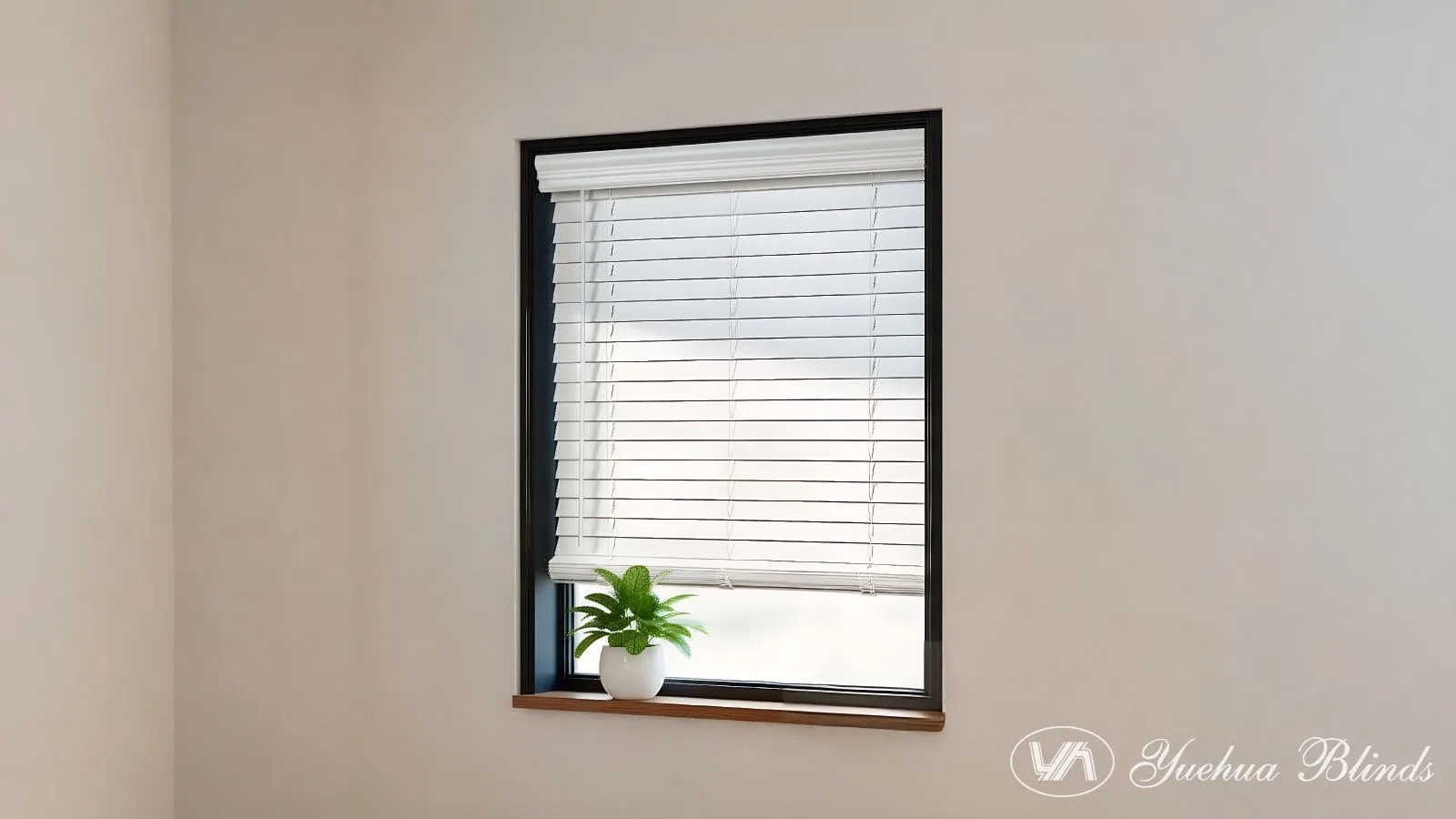
- Our wood venetians (YH663 2" and cordless YH336 1.5") source at 1000 pcs per pattern without color matching (2500 with), 40-50 day lead time, clear box in a 5-layer carton, 4-6 pieces.
Why real wood
Real wood targets premium residential and high-end hospitality. Each slat has its own grain, the cellular structure insulates better than aluminum or PVC, and finishes run from natural stains to solid paints, distressed, and whitewashed. That premium positioning commands higher retail prices and margins. FSC-certified and responsibly sourced wood is available for eco-conscious markets.
Wood types
Basswood is the industry standard for wood venetians. Russian basswood was historically the most common source, with fine, uniform grain and good workability, but Eastern European basswood has grown since NATO countries banned Russian imports. Buyers now verify origin documentation and chain-of-custody on every order.
Paulownia is the lightweight alternative. It is far lighter than basswood, which suits very large blinds, and it grows fast. The trade-offs: it is softer and dents more easily, and its lower density gives slightly less insulation.
Poplar is the budget option. It costs less than basswood but must be kiln-dried carefully - poorly dried poplar warps after installation. It shows more grain defects and knots, so it is generally used only for white or light closed-paint finishes where the grain is hidden.
Ramin is a Southeast Asian hardwood that was once prized for fine, uniform texture. Indonesia banned ramin logging in 2001, so legally sourced ramin is rare and expensive; most products sold as ramin today are mislabeled alternatives, and buyers should be cautious.
Bamboo is a separate product category (bamboo roll-ups and romans), not a slat wood for venetians.
Export documents
All real wood venetians must be fumigated and pass commodity inspection before export. That is mandatory for customs clearance in most destination countries. On every shipment we provide:
- Fumigation certificate - confirms the wood was treated to kill pests and pathogens.
- Commodity inspection report - verifies product quality and compliance.
- Phytosanitary certificate - required by some destination countries.
- Wood origin documentation - increasingly important given sanctions and illegal-logging concerns.
Missing certificates cause customs delays or rejection, so confirm the full set before the container is loaded. If you are selling wood into the EU, our EU compliance guide walks through REACH, CE, and the wood-related obligations.
Quality checkpoints
- Moisture content: kiln-dried wood should run 8-12%. Test with a moisture meter; over 12% carries high warp risk after installation.
- Slat uniformity: width, thickness, and grain should stay consistent within a blind and across the order.
- Finish quality: smooth, even coating with no drips, bubbles, or orange peel; check both faces and edges.
- Knot grading: specify clear grade (minimal knots) versus rustic grade (visible knots) and keep it consistent.
- Component matching: headrails, valances, tassels, and tilt wands should match the slat finish in color and sheen.
- Warpage: lay slats on a flat surface; reject any bow or twist beyond tolerance.
- Documentation: verify every export certificate is valid and correctly issued.
Customization and market
Custom stains and paint colors carry their own MOQ. Distressed and whitewashed finishes fit rustic and coastal looks. Cordless operation is the child-safe option increasingly required, and motorized tilt and lift fits premium smart-home builds. Beyond the standard 50mm slat, some ranges offer 35mm, 63mm, or 75mm. Private-label packaging is available.
- Europe: basswood dominates, with Eastern European supply growing; white and natural oak stains sell well.
- North America: basswood is standard, with premium oak and cherry options; white and off-white dominate, and gray stains are growing.
- Hospitality: real wood is specified for luxury hotels and resorts, where FSC certification is often required.
Bottom line
Specify Eastern European basswood, hold moisture to 8-12%, and ship the full fumigation and origin set. If you are deciding between aluminum, real wood, and faux wood for a range, our three-material comparison lines up the trade-offs, and the wood venetian blinds page lists the current slat and ladder options.