

Roller Blind Fabric Opacity Guide: Blackout vs Light Filtering vs Sunscreen
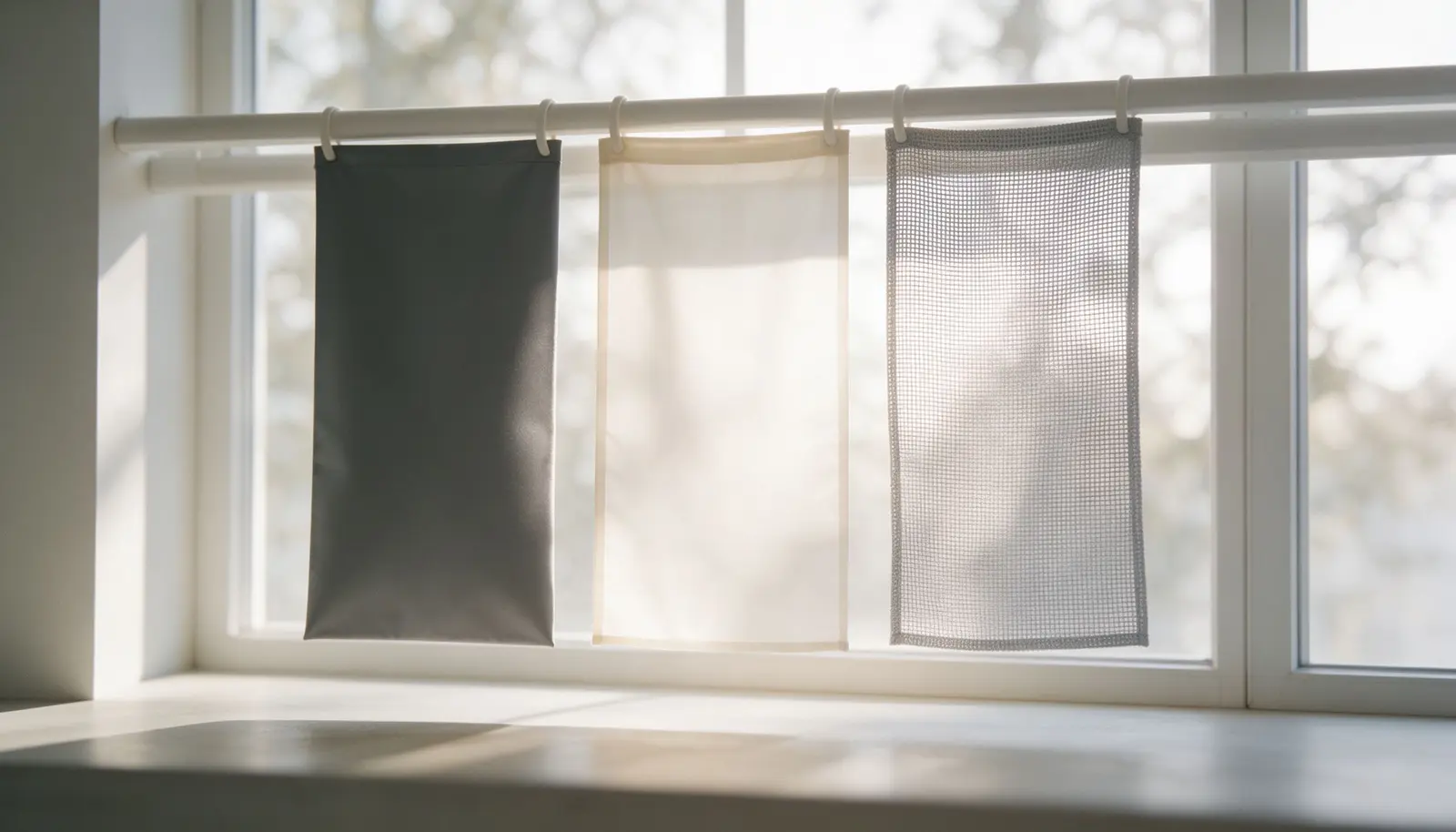
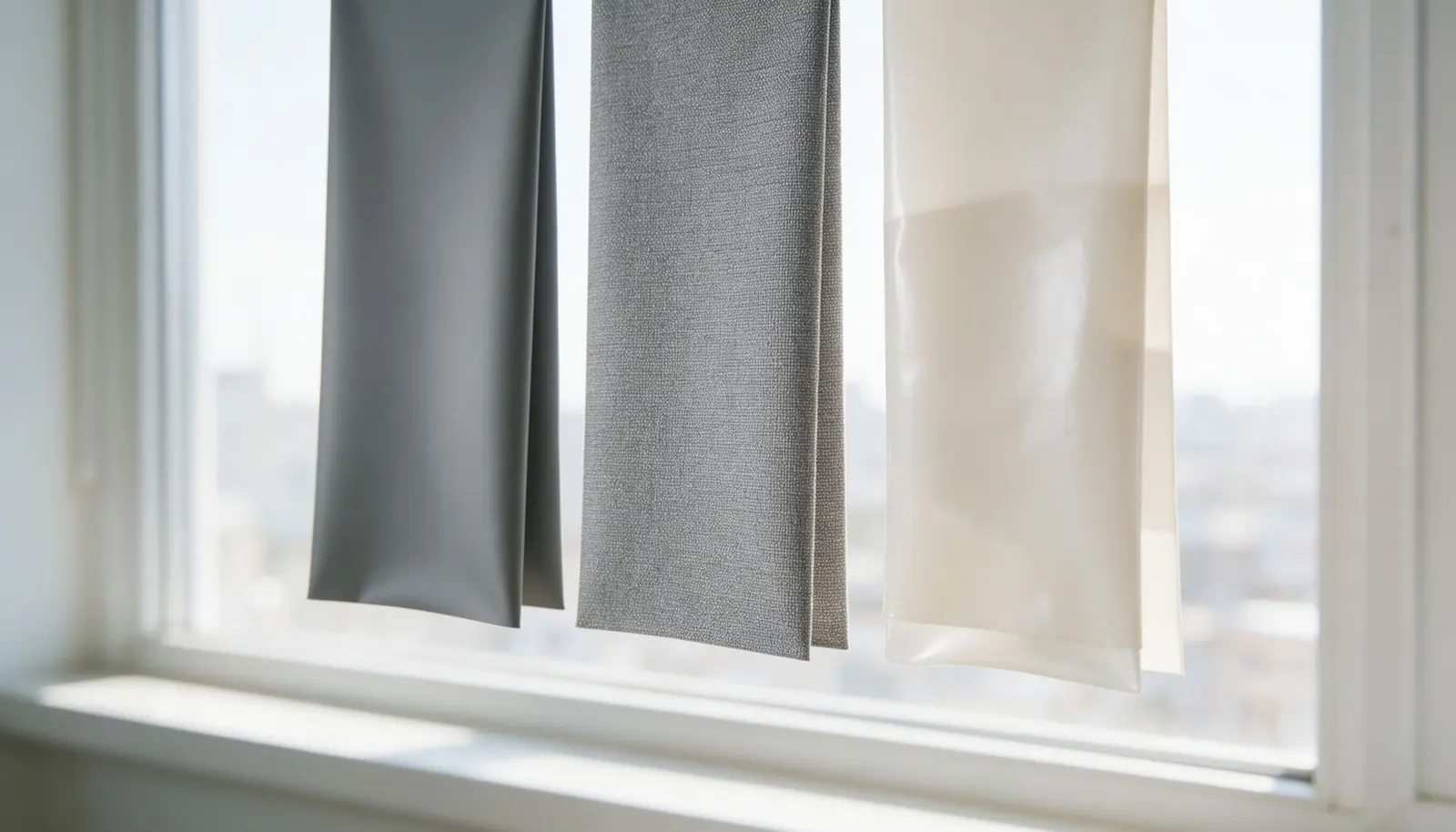
Choosing the right roller fabric is one decision: what is the customer trying to stop? Blackout kills light for bedrooms, light filtering softens it for living rooms, and sunscreen blocks heat and glare while keeping the view. A fourth option, sunscreen blackout, puts a blackout back behind a sunscreen-looking face. Pick by use case first, then confirm weight, openness, and coating against the sample. Below we cover the processes and the numbers we confirm at order.
Key takeaways
- Blackout rollers stop most light through coated, foam-backed, or TPU-laminated fabric; no fabric blocks 100% because side gaps and mount still leak light. Outside mount with side channels is the real fix.
- Light-filtering fabric (100% polyester) diffuses daylight and gives daytime privacy, but at night with the lights on, people outside can see in.
- Sunscreen mesh (typically 30% polyester + 70% PVC) blocks infrared heat while keeping the daytime view; the openness factor - 1%, 3%, 5%, or 10% - trades view against privacy, and 5% is the most common market spec.
- All roller fabrics in our range source at 1000 pcs per pattern without color matching (2500 with) and a 40-50 day lead time.
Blackout fabric
Blackout fabric is the highest light-blocking option in the roller family (our blackout YH551B runs 100% polyester). It is built one of three ways:
Coated. An acrylic coating is applied to the back of the decorative fabric. The most common and cost-effective process.
Foam-backed. An acrylic foam layer is laminated to the back, which adds blackout plus some thermal insulation. The catch: foam coating can stick or crack during long storage, which is why warehouse conditions matter.
TPU laminated. A thermoplastic polyurethane (TPU) film is heat-laminated to the back, usually with an acrylic protective coat on the outermost layer. It gives thorough blackout, a softer hand, and better aging resistance than direct coating.
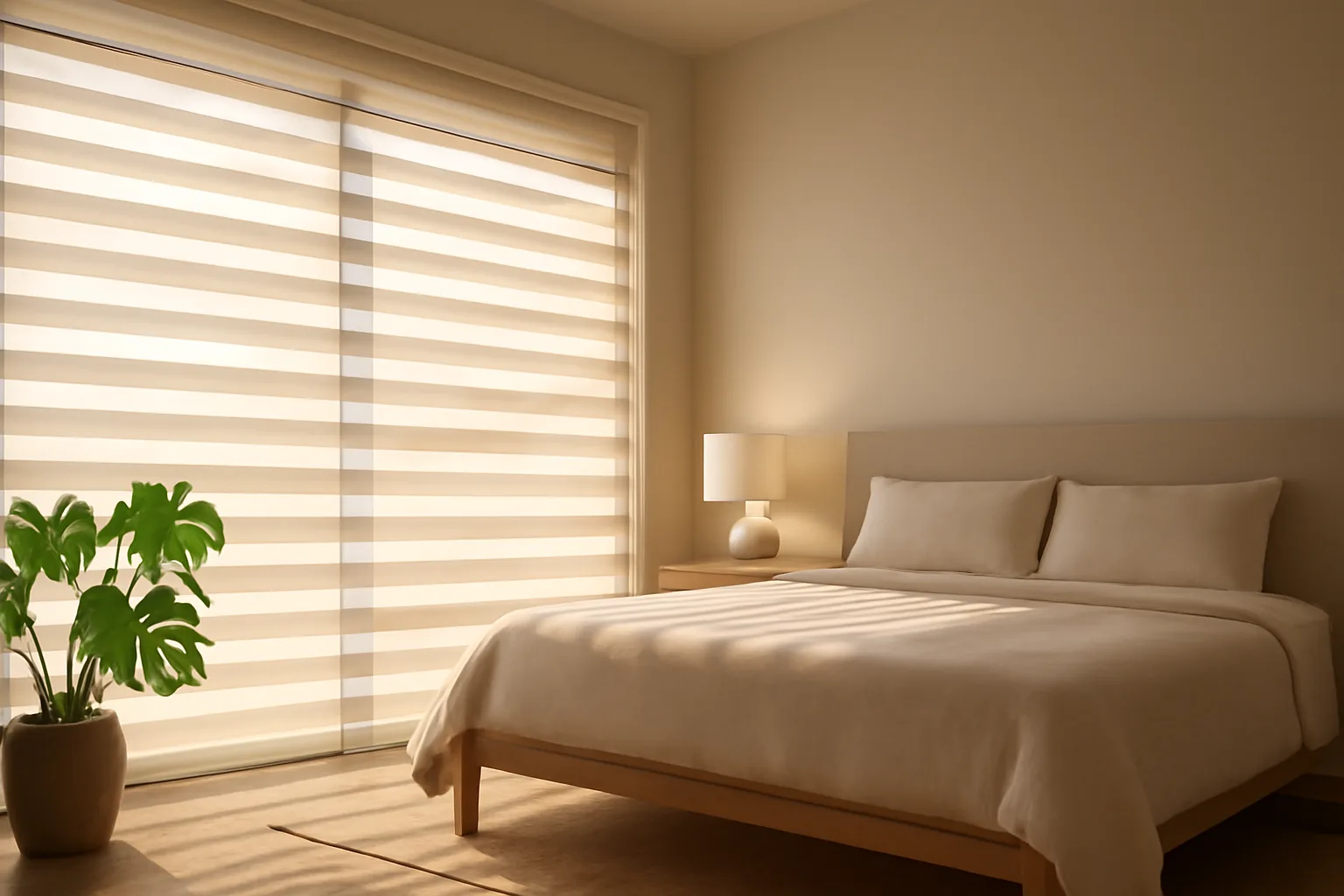
Best for: bedrooms, hotel guest rooms, home theaters, nurseries, shift-worker sleep areas.
Confirm on order: total fabric weight (fabric plus coating, in grams per square meter, with +/-5% the accepted industry tolerance), coating type (acrylic, polyurethane, or TPU), and whether the fabric passes hazardous-substance testing such as REACH SVHC. Remember that no fabric blocks all light under every installation; the side gaps and inside-versus-outside mount decide the final result. Outside mount with side channels delivers the best blackout.
Light filtering fabric
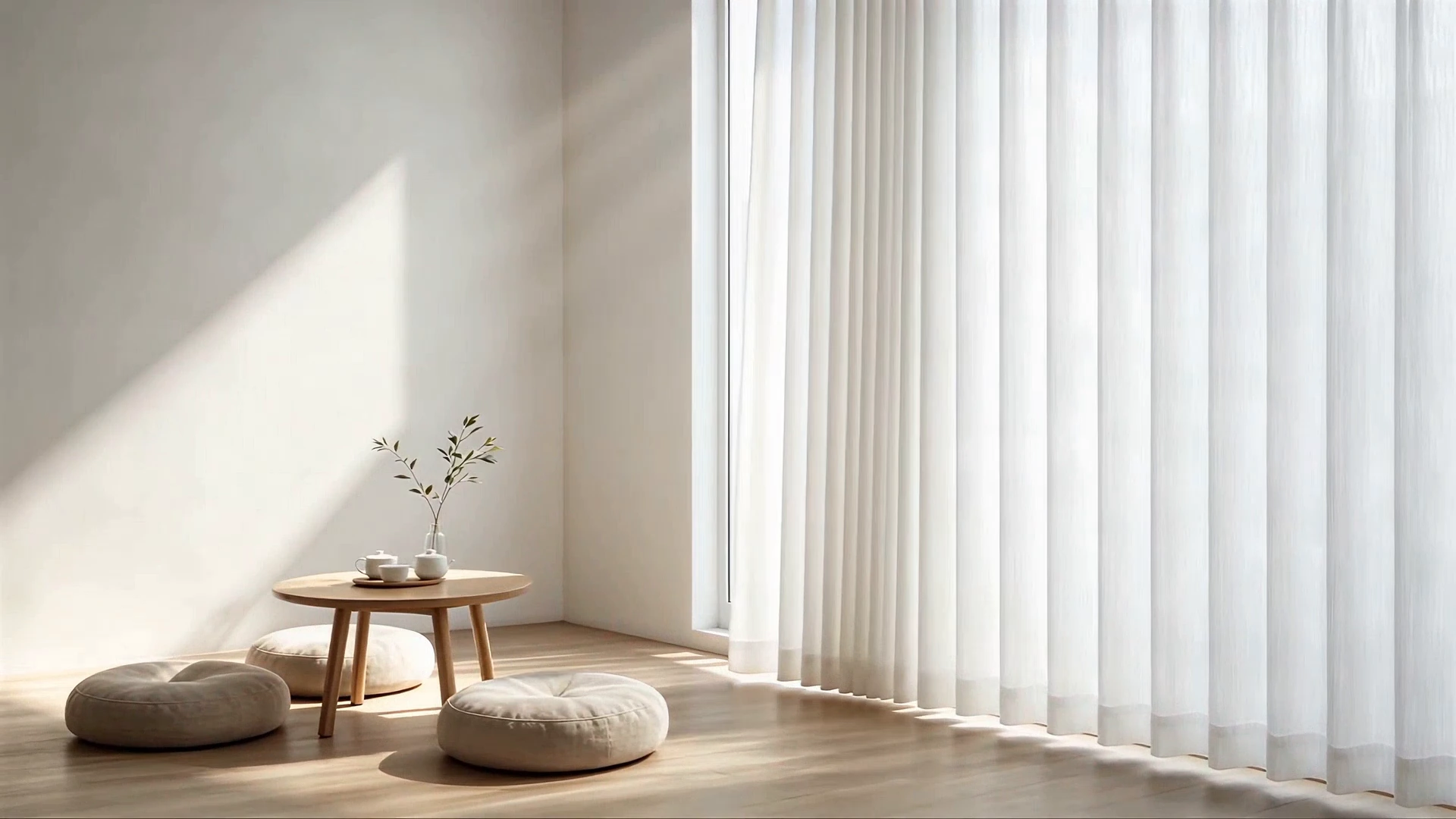
Light filtering fabric (sheer or translucent) lets diffused natural light in while cutting direct glare and giving daytime privacy. It is usually 100% polyester, with different weaves and densities.
Best for: living rooms, dining rooms, offices, kitchens, anywhere that wants natural light without direct sun.
Confirm on order: fabric weight (grams per square meter, +/-5% standard), wrinkle resistance, and color consistency between production batches.
Note: light filtering gives relatively clear indoor visibility from outside at night when interior lights are on. If nighttime privacy is the requirement, pair it with blackout or specify blackout fabric instead.
Sunscreen fabric
Sunscreen fabric (solar or mesh) is woven from polyester or fiberglass with PVC. It is designed to cut solar heat gain by blocking infrared radiation before it passes the glass, while keeping outdoor visibility during the day. Our sunscreen YH551SC runs 30% polyester and 70% PVC.
Openness factor: common options are 1%, 3%, 5%, and 10%. Lower openness means less light and more privacy; higher openness means a clearer view and less infrared blocking. 5% is the most common specification on the market.
How it cuts heat: sunscreen has limited thermal insulation. Its job is blocking infrared before the glass, which lowers solar heat gain. Darker colors give better infrared blocking.
Base material: fiberglass-based sunscreen holds its dimensions, resists fire, and lasts well; polyester-based is softer, lower cost, and offers more color choice.
Best for: sun-facing windows, office buildings, storefronts, sunrooms.
Confirm on order: openness factor, base material (fiberglass or polyester), PVC content, color, and the fire-retardant rating if building codes require it.
Sunscreen blackout, the composite
Sunscreen blackout fabric combines sunscreen looks with blackout performance in a three-layer build:
Face layer: standard sunscreen mesh (usually 70% PVC + 30% polyester), keeping the mesh texture.
Middle layer: a TPU film heat-laminated to the back of the mesh - the main light barrier.
Back layer: an acrylic coating over the TPU film, giving a clean white or light back, protecting the film, and preventing sticking in storage. Our sunscreen blackout YH551SCB is built this way.
Unlike standard sunscreen, this fabric has no openness factor - the TPU film fully blocks light. Unlike standard blackout, the face keeps the mesh texture.
Best for: hotel rooms, meeting rooms, and sun-facing bedrooms that want the modern commercial look of sunscreen but need blackout.
Confirm on order: face PVC/polyester ratio, back color, total weight (face plus TPU plus coating, +/-5%), and that the actual blackout matches your confirmed sample. The TPU film itself needs no special confirmation - judge the finished blackout against the sample.
Quick reference
| Fabric type | Light blocking | View | Heat reduction | Typical use |
|---|---|---|---|---|
| Blackout | Very high | None | Medium (blocks light) | Bedrooms, hotels, media rooms |
| Light filtering | Low to medium | Blurred | Low | Living rooms, offices, dining rooms |
| Sunscreen (5%) | Low | Clear (daytime) | Medium (blocks infrared) | Offices, storefronts, sun-facing windows |
| Sunscreen blackout | Very high | None | Medium | Blackout jobs needing a sunscreen look |
Ordering checklist
- Confirm the customer's use scenario first, then recommend opacity - do not default everyone to blackout.
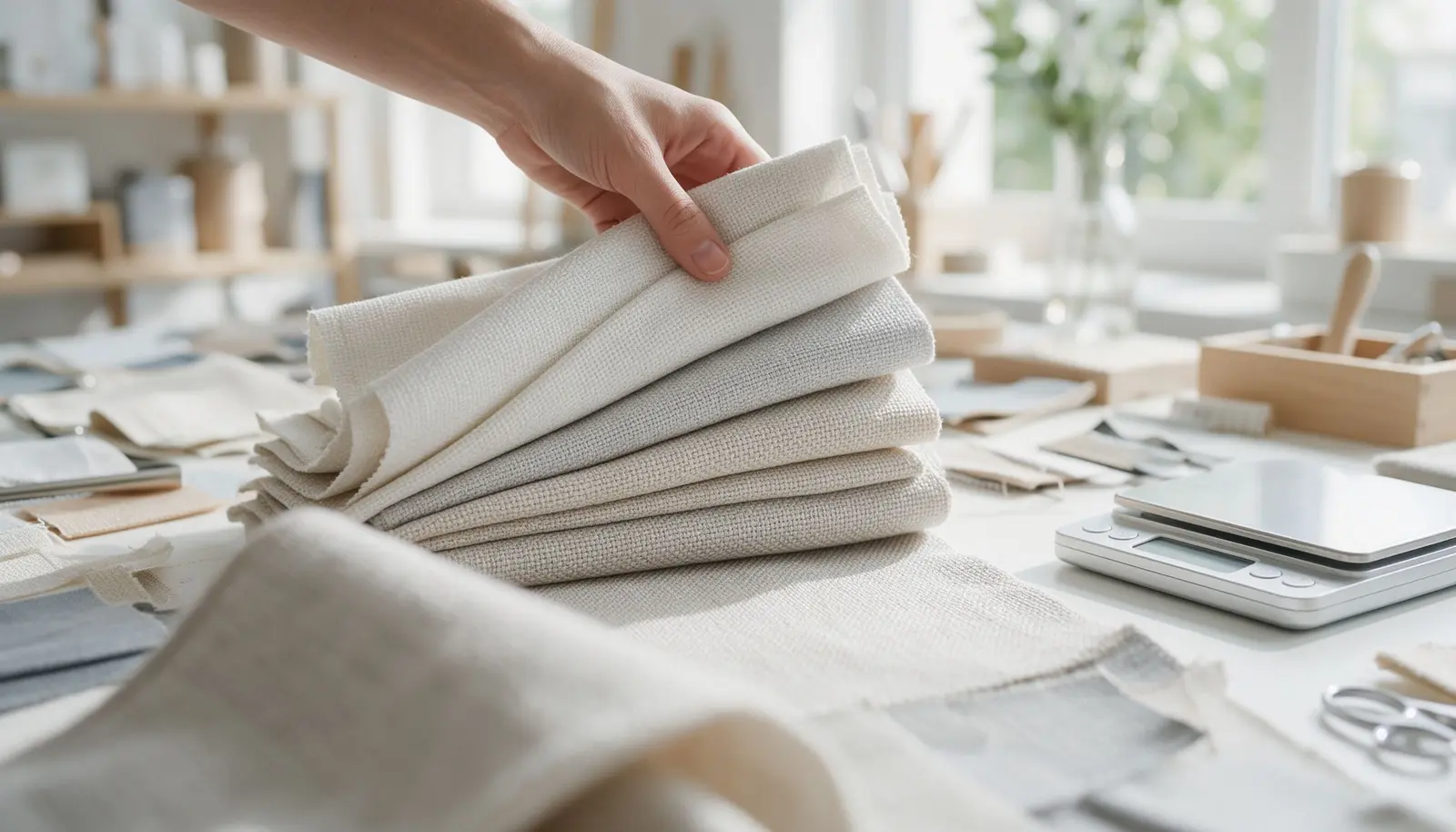
- Request sample cards and compare the visual and hand feel of different opacities in person.
- Specify opacity requirements and test methods in the contract so suppliers cannot substitute lower grade.
- For blackout, warn customers about side light leakage and recommend outside mount or side channels.
- For sunscreen, fix the openness factor and base material - price differences between them are significant.
- Keep golden samples and compare bulk goods against them for blackout and color.
Bottom line
Match fabric to room function, then lock weight, openness, and coating on the sample before production. For a deeper read on the build methods, our guide to coated, woven, and laminated blackout processes compares the routes in detail, and the fabric weight GSM guide explains how grams per square metre ties to thickness and blackout. The sunscreen roller blinds page lists the current mesh range.